
Last updated November 15, 2026
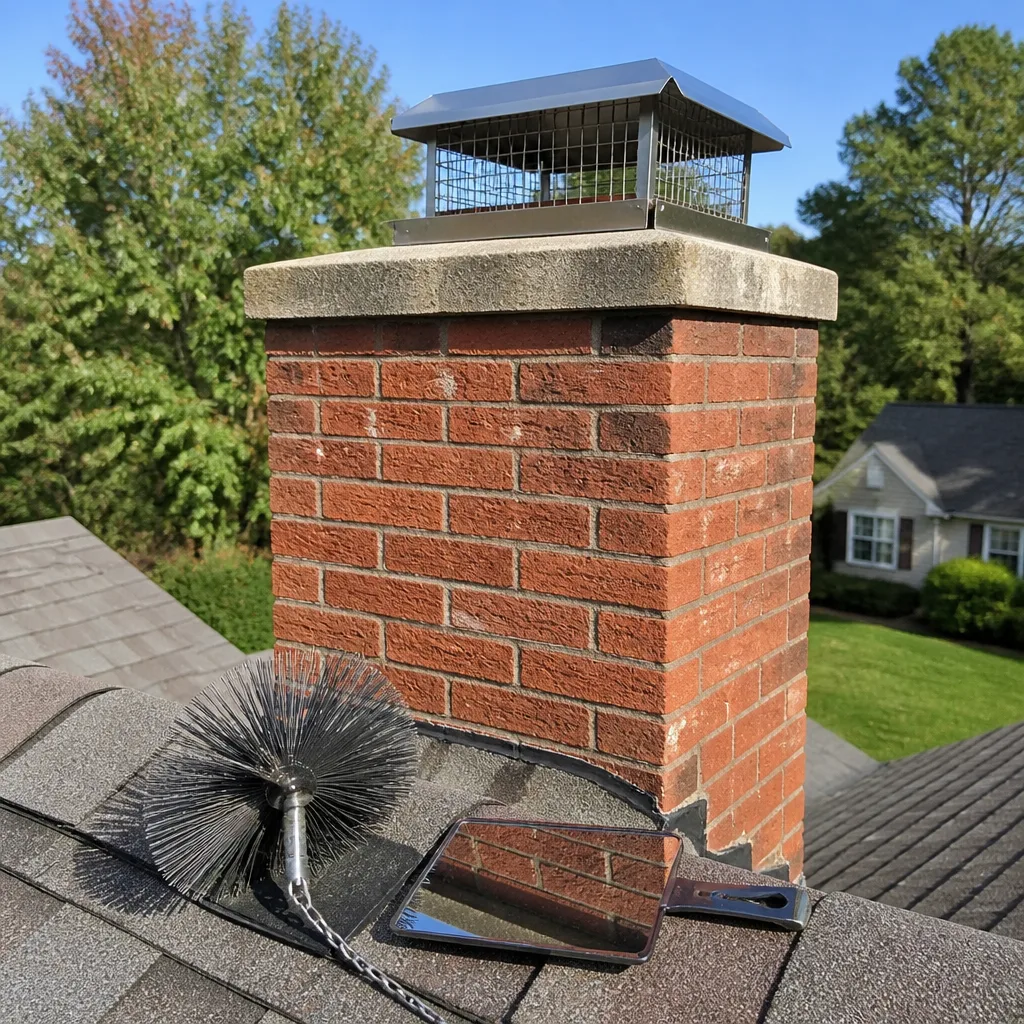 Sweep & inspection
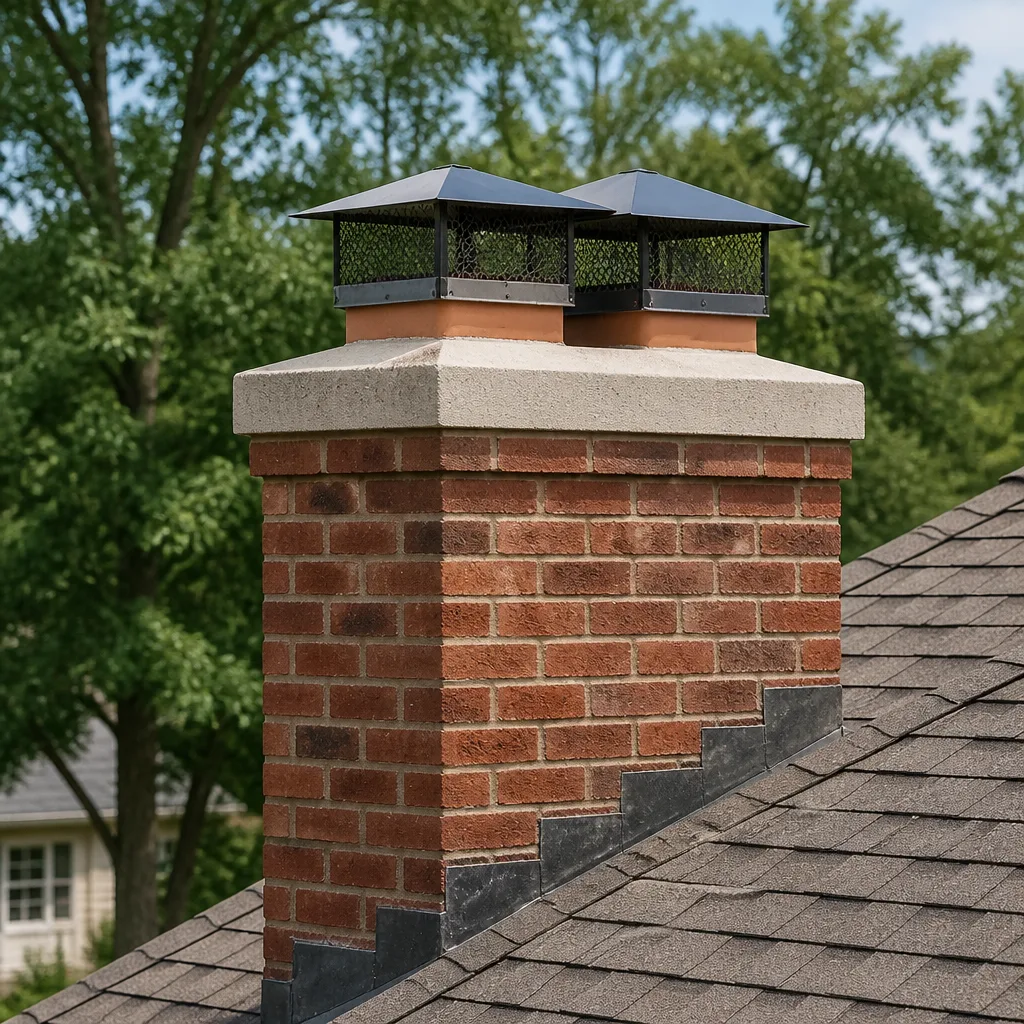 Caps & crowns
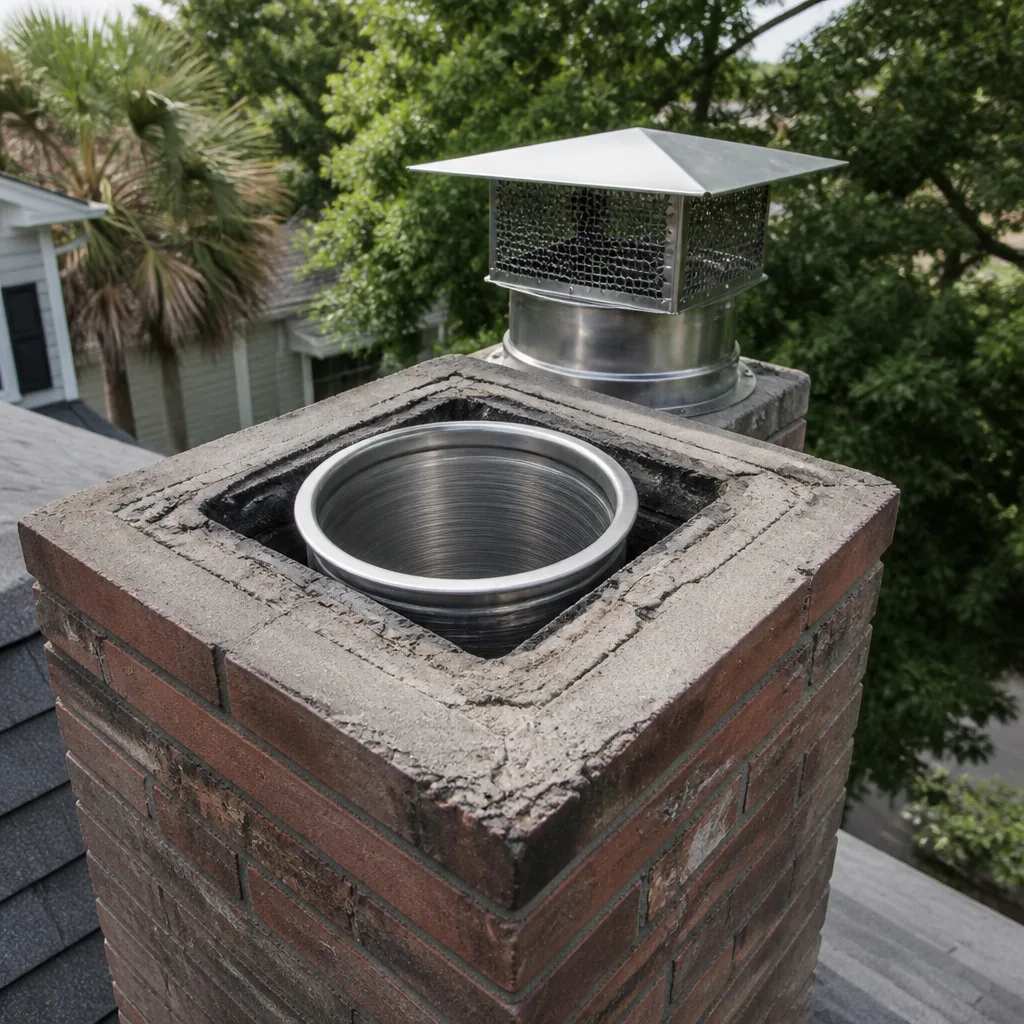 Flue relining
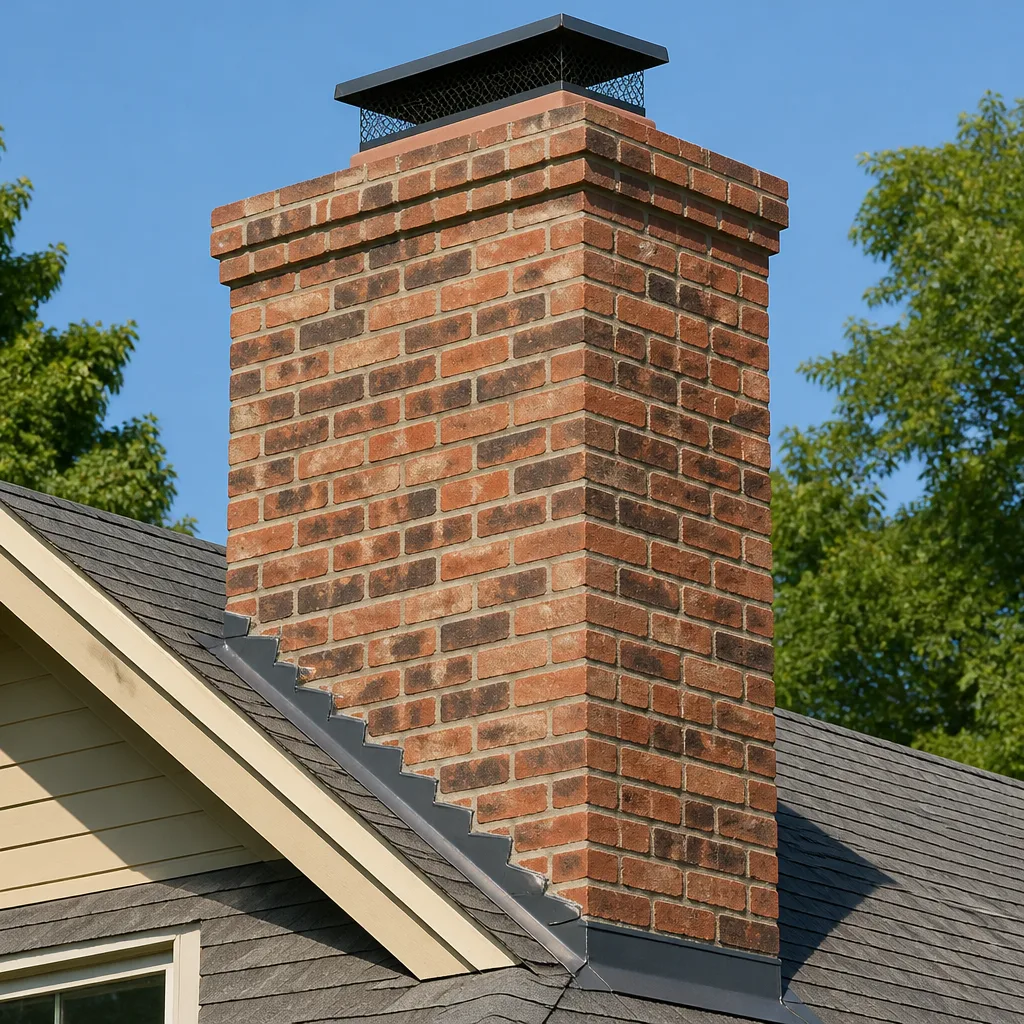 Masonry repair
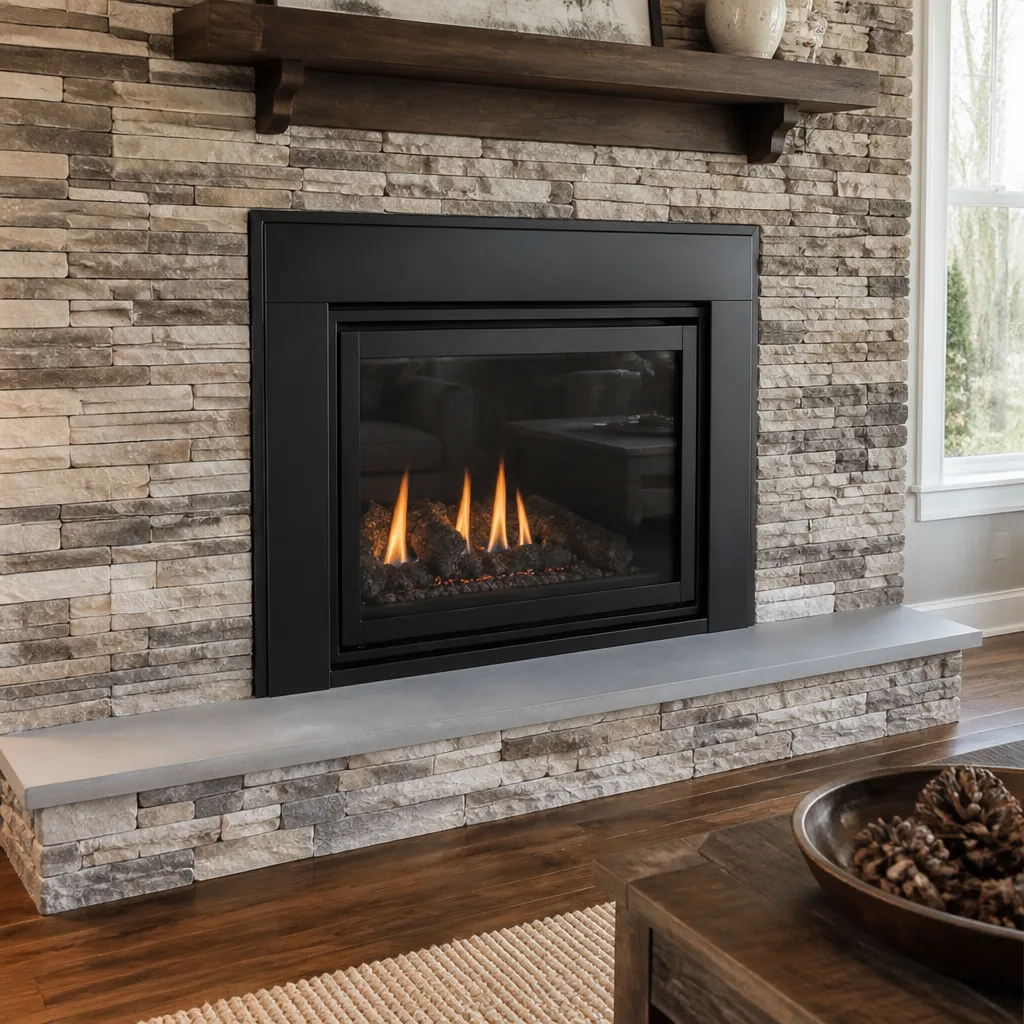 Gas fireplace service
Level 1 sweep and inspection to the NFPA 211 annual standard - flue, crown, cap, and flashing checked and photographed
Chimney sweep logs do not sweep chimneys. They loosen some creosote - which then falls where a brush and vacuum still have to collect it.
How to Hire a Chimney Cleaning Contractor in Norman: A Step-by-Step Guide
Any contractor can say they swept your chimney. Almost none of them will tell you unprompted what liner material they’d use for a reline, what their smoke chamber repair product is, or whether they carry a CSIA certification. Those gaps are where expensive callbacks live. The word “chimney sweep” on a truck or a search result covers an enormous range of competence, from a trained specialist running a camera and documenting every joint in the flue to a brush-and-invoice operation that leaves your roof by the time you’ve put the checkbook away. Hiring well in Norman means learning to ask about specifics that a qualified contractor answers easily and an unqualified one dodges. This guide walks you through the questions, the paperwork, and the red flags that separate the two.
Quick Answer
To hire a chimney cleaning contractor in Norman, verify CSIA certification, ask which specific liner and repair products they use (not “premium materials”), insist on a camera scan before any repair quote, and compare written scopes of work rather than bottom-line prices. A trustworthy contractor will welcome detailed questions and hand you a documented inspection you can keep.
Styles & brands we work with
- Sweep & inspection
- Caps & crowns
- Flue relining
- Masonry repair
- Gas fireplace service
Table of Contents
- Why Hiring a Chimney Contractor in Norman Is Harder Than It Looks
- The Interview Questions That Reveal Real Competence
- What CSIA Certification Verifies, and What It Doesn’t
- How to Compare Quotes When Contractors Aren’t Scoping the Same Work
- Red Flags in Contractor Behavior
- Verifying Local References for Norman Fireplace Types
- A Step-by-Step Hiring Process
- Understanding Sweep, Repair, and Inspection as Separate Disciplines
Why Hiring a Chimney Contractor in Norman Is Harder Than It Looks
Chimney work sits in an odd regulatory space. Unlike electrical or plumbing, most states don’t require a chimney specialist to hold a specific trade license, which means the same ten letters, “chimney sweep,” can describe a trained professional and a pressure-washing outfit that added a service line last spring. In Norman, that gap is amplified by the age and variety of housing stock. You’ll find brick masonry chimneys from the mid-century neighborhoods, newer construction with zero-clearance prefab fireplaces, and plenty of homes where a gas insert replaced a wood insert and the flue was never re-examined.
Each of those setups needs a different approach. A contractor who only ever handles masonry chimneys may not know how a prefab unit’s components fail, and one who mostly services gas appliances may not recognize the creosote patterns that build up in a wood-burning flue. Homeowners are also learning to search for a chimney sweep the way they’d search for any other service, by scanning reviews and comparing the first three prices that show up. That works for oil changes. It doesn’t work here, because the material decisions made during a repair last for decades and cost real money to undo.
The good news: the screening questions are simple. You just have to know what to ask and pay attention to how quickly the contractor answers.
The Interview Questions That Reveal Real Competence
Ask these before booking, not after the technician is on your roof. A confident, knowledgeable contractor will answer without hesitating. Vague answers are information, even if they’re polite.
- “What liner product do you use for a reline, and why that one over the others?” This is the single most revealing question. The answer should include a brand name and a reason. If you hear only “high-quality stainless” or “industry-standard materials,” you’ve learned they either don’t know or don’t want you to know.
- “How do you document an inspection?” Look for “camera scan,” “photo report,” and “written assessment.” A contractor who only takes notes on a clipboard is doing a visual check, not an inspection.
- “What’s your process for a prefab fireplace that’s losing its gaskets or heat shields?” Many Norman homes have zero-clearance units. If the answer drifts toward “we’ll reline it,” they may not understand prefab construction.
- “Have you ever used heat-shield restoration instead of a full reline?” A yes means the contractor can evaluate repair versus replacement honestly. A no means every flue gets a liner.
- “What brands are you trained on?” Real answers name specific manufacturers. Gelco caps, Olympia Chimney components, and Famco components show up in professional work because they’re built to spec, not to a big-box price point.
- “Will you show me the camera footage before recommending a repair?” The answer should be an easy yes. If it isn’t, you’ve found the first red flag.
Notice that none of these questions is “are you any good?” That question gets a yes from everyone. Specific product names and processes can’t be bluffed by a homeowner-proof script.
What CSIA Certification Verifies, and What It Doesn’t
CSIA stands for Chimney Safety Institute of America, and its certification is the most widely recognized credential in the trade. It verifies that a technician has passed a written exam covering NFPA 211, the national standard for chimneys and vents, along with the inspection levels defined by that standard. It also requires continuing education and a code of ethics. That’s a meaningful floor, and you should ask whether the person climbing on your roof holds it.
But certification is a floor, not a ceiling. It doesn’t tell you what brands the contractor stocks, whether they’ve ever applied a ceramic resurfacing product to a damaged smoke chamber, or whether they’ll quote a liner replacement when a documented restoration would hold. A certified sweep who only stocks the cheapest liner and has never handled a complex flue configuration is still a certified sweep.
What certification does give you: a baseline of standards knowledge and a disciplinary process behind the ethics code. In a trade where licensing varies state by state, that matters. Treat the CSIA credential the same way you’d treat an engineering degree on a builder’s wall. It establishes that they know the rules. Your interview questions establish whether they know the work.
Ask also whether technicians carry a certification ID they can show you. A confident contractor will have it, and won’t mind documenting it in the written estimate.
How to Compare Quotes When Contractors Aren’t Scoping the Same Work
The most frustrating part of contractor shopping is trying to compare numbers that were never quoted for the same scope. One chimney sweep bids $150 for “a sweep.” Another bids $1,800 for “repair.” You have no idea if you’re choosing between two sweepers and a repairman, or between three variations on the same job. This is where Norman homeowners get burned, because “$150” and “$1,800” can describe completely different scopes of work.
Fix that by insisting on a written scope of work with every quote. It should include:
- What’s included in the sweep or inspection – a Level 1 visual inspection is different from a Level 2 camera scan, and the report should state which was performed.
- Specific materials and brands for any repair or reline, including the liner product, cap brand, and any resurfacing product. “Gelco cap installed” is a scope. “Premium cap” is not.
- Measurements – the flue’s interior dimensions, the proposed liner’s diameter, and total linear feet of liner needed.
- Specific conditions found – a spalled joint at a certain flue level, an improperly sized smoke chamber, a cracked crown at a stated location.
- What happens if conditions change – how they’ll notify you and re-quote before any added work.
- Documentation – whether photographs and camera footage are delivered to you with the estimate.
When two quotes actually describe the same scope, you can compare cost with confidence. When they don’t, you’re comparing a sedan to a truck and calling the prices unfair. If one contractor won’t commit to a written scope at all, that’s your answer.
Red Flags in Contractor Behavior
Behavior tells you a lot before the roof ever gets climbed. In our experience, some patterns stand out as clear warnings.
- Rushing past the inspection phase. A proper sweep begins with a camera scan or at minimum a visual assessment that’s documented. If a contractor skips that and starts recommending repairs within five minutes, ask why. The inspection is the entire basis for every decision that follows.
- Quoting repairs without a camera scan. A visual inspection can spot obvious problems at the firebox or flue top. It can’t see joint separation, a spalled liner, or creosote glazing several feet up the flue. Anyone quoting a reline without camera footage is guessing at your expense.
- Vague references to “industry-standard materials.” This phrase is a tell. It means the contractor either doesn’t know what they use or doesn’t want you to know. Trade-grade work comes with trade-grade brand names, and those names are disclosed.
- Pressure to book the repair on the spot. The urgency around chimney work is seasonal, tied to burning season, not hourly. A contractor who needs a decision before they leave the driveway has a different motivation than one showing you evidence and giving you time.
- No explanation of why the repair is recommended. “You need a new liner” is not an explanation. “Your flue liner has a four-foot section of spalling above the smoke chamber, visible on the camera scan at 00:34” is an explanation you can verify.
- Prices dramatically below everything else you were quoted. Remember the material problem. A cheap reline often means a thin, unrated liner that won’t hold up, and pulling it out later costs more than installing a proper one the first time.
- Refusal to put the scope in writing. If the estimate is verbal, it isn’t an estimate. It’s a conversation.
Verifying Local References for Norman Fireplace Types
The question “can I get a reference?” is a good start, but it doesn’t go far enough if the references have only ever handled masonry fireplaces and your home is a zero-clearance prefab. Ask for a reference specific to your fireplace type. In Norman, that means asking two distinct questions:
- If you have a masonry fireplace: “Can you connect me with a reference for a flue reline or smoke chamber repair on masonry?” The answer reveals whether the contractor does this regularly or occasionally.
- If you have a zero-clearance, prefab, or gas insert system: “What’s your experience with prefab units, and how do you handle component failure in those?” This question separates specialists from generalists, because prefab construction uses manufactured parts that fail in specific, documented ways, and the repair approach is different from masonry work.
Ask for a written or trackable reference you can actually verify. A contractor who can’t produce a local reference for your fireplace type isn’t necessarily dishonest, but they may be working outside their core experience on your home.
You should also look at the condition of your own system before you call. A masonry chimney with visible joint separation, a crown that has cracked, or a firebox that’s spalled is a different project than a prefab unit with a warped heat shield. Knowing which category you’re in lets you ask reference questions that actually reveal whether the contractor is equipped for your specific situation.
A Step-by-Step Hiring Process
Here’s the sequence we recommend to Norman homeowners who want this done right the first time.
- Determine what you actually have. Look at your fireplace. A masonry unit has actual brick, mortar, and a damper. A prefab unit has a metal firebox and a data tag you can usually find behind a hinged panel at the bottom. A gas insert will be sealed. Note the type before you call anyone, because the right contractor’s questions will differ.
- Ask about CSIA certification and be satisfied with the answer. If they don’t have it, ask about their training, experience, and whether they work to NFPA 211 standards. Willingness to answer is a signal.
- Ask the material questions. Liner product, cap brand, resurfacing product. If they can’t name them, move on.
- Book a sweep or inspection and request documentation upfront. Ask whether the visit includes a camera scan and whether you’ll get photos and a written report. The expectation you set now determines what you get.
- When you receive repair recommendations, ask for the camera footage that supports them. A reputable contractor will show it before you ask. If they haven’t, ask anyway.
- Get at least two written scopes of work if the job is a repair or reline. Compare scopes, not bottom lines. The written estimate should identify materials, measurements, and specific conditions found.
- Confirm the materials in writing. The estimate should name every product going in your chimney. DuraFlex liner, HeatShield ceramic resurfacing, Gelco caps, Olympia Chimney components, and Famco parts all have a reason for being specified. The contractor should explain that reason to you.
- Ask when the work can safely wait. If a repair can be planned rather than squeezed into the season, do that. If the documented evidence shows a condition that’s unsafe to keep using, prioritize it.
Following these steps takes maybe 45 minutes of phone calls total. It’s the cheapest insurance on the project you’ll ever buy.
Understanding Sweep, Repair, and Inspection as Separate Disciplines
Chimney work is really three distinct trades bundled under one label, and most of the confusion in the market comes from contractors who only do one or two and pass off the missing piece to someone else. Understanding the split helps you ask the right questions.
Sweeping is cleaning and creosote removal. It’s the entry-level service, the one most homeowners think of when they call. Done correctly, it’s performed alongside a visual inspection so both the cleaning and the condition of the flue are documented. Done poorly, it’s a brush dragged down the flue with no evidence of what was found.
Repair divides into restoration and replacement. Restoration involves repairing a structurally sound liner that’s damaged but not beyond saving, using a ceramic resurfacing product like HeatShield to restore the liner’s integrity without pulling it. Replacement involves installing a new liner, often a flexible stainless system like DuraFlex when the existing flue is irregular or oversized. The line between these two is the single biggest cost decision in a repair quote, and it can only be drawn honestly after a camera scan.
Inspection comes in levels defined by NFPA 211. A Level 1 is a visual check of the readily accessible parts. A Level 2 adds a camera scan of the flue, which is required for many real estate transactions and for any change in fuel type or appliance. A Level 3 involves opening up areas of the structure to access hidden areas. Most residential calls fall into Level 1 or Level 2, and every repair recommendation should be based on at least Level 2 evidence.
When one company handles the chimney repair alongside the sweep and the inspection, the pieces fit together correctly. When they don’t, the inspection findings go to a repairman who’s never seen the flue, and the sweep findings get lost between two invoices. If you’re looking for that integrated scope, you can see a full picture of what we handle in Norman.
Common Mistakes to Avoid
- Choosing the lowest quote without comparing scope. A $150 sweep and an $1,800 reline are distinct services, and picking the cheaper one across categories tells you nothing useful. Ask for written scopes so the numbers describe the same work.
- Accepting a repair quote without camera footage. If a contractor tells you the liner is failing but can’t show you where, you’re paying for a guess. Footage is standard, and you should expect it before you approve anything.
- Treating a general handyman as a chimney specialist. Repointing brick, capping a chimney, and replacing a liner require trade-specific tooling and product knowledge. A generalist can do real damage to a flue without realizing it.
- Skipping the inspection because the chimney “looks fine.” Most serious flue problems are invisible from the firebox. Creosote glazing, joint separation, and spalled liner sections all live where you can’t see them.
- Assuming every sweep knows prefab fireplaces. Prefab, zero-clearance units have their own failure points, and not every sweep is trained on them. Ask explicitly if your home has one.
- Underestimating the role of burning season. In Norman’s climate, the fall and winter are when the fireplace actually gets used, which means the months before each season fill up. Scheduling in late summer beats scrambling in December.
- Failing to keep the inspection report. Documented chimney assessments are useful for homeowner insurance, real estate disclosures, and future maintenance. A contractor who hands you photos and a written report is giving you something worth filing.
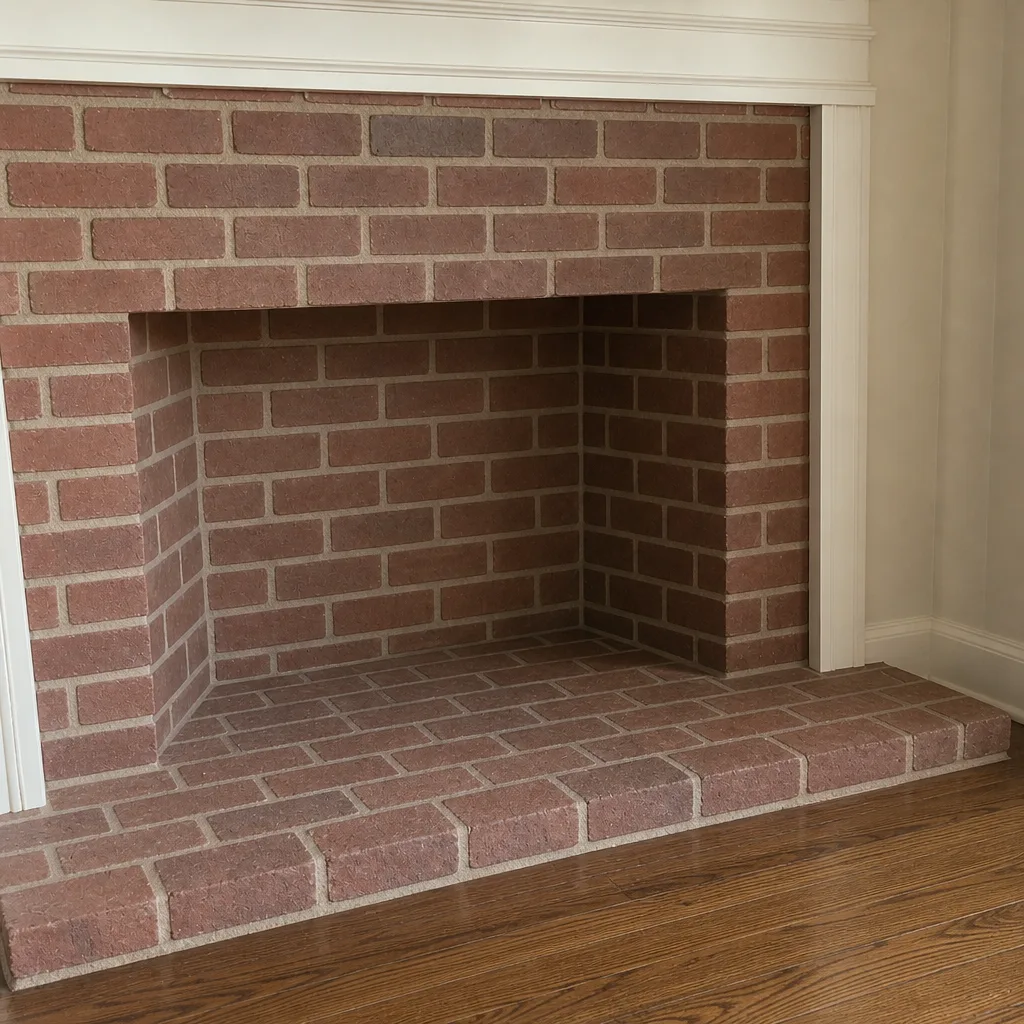
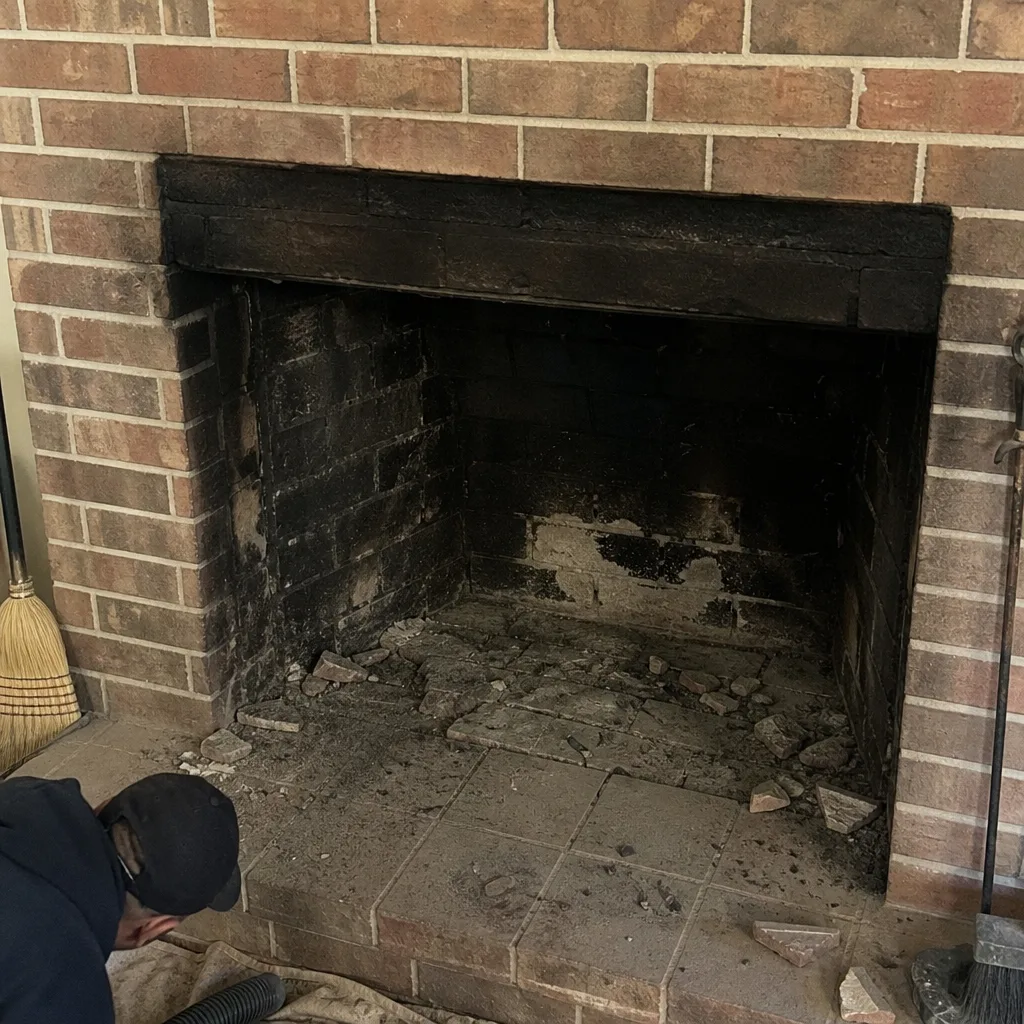
See the difference
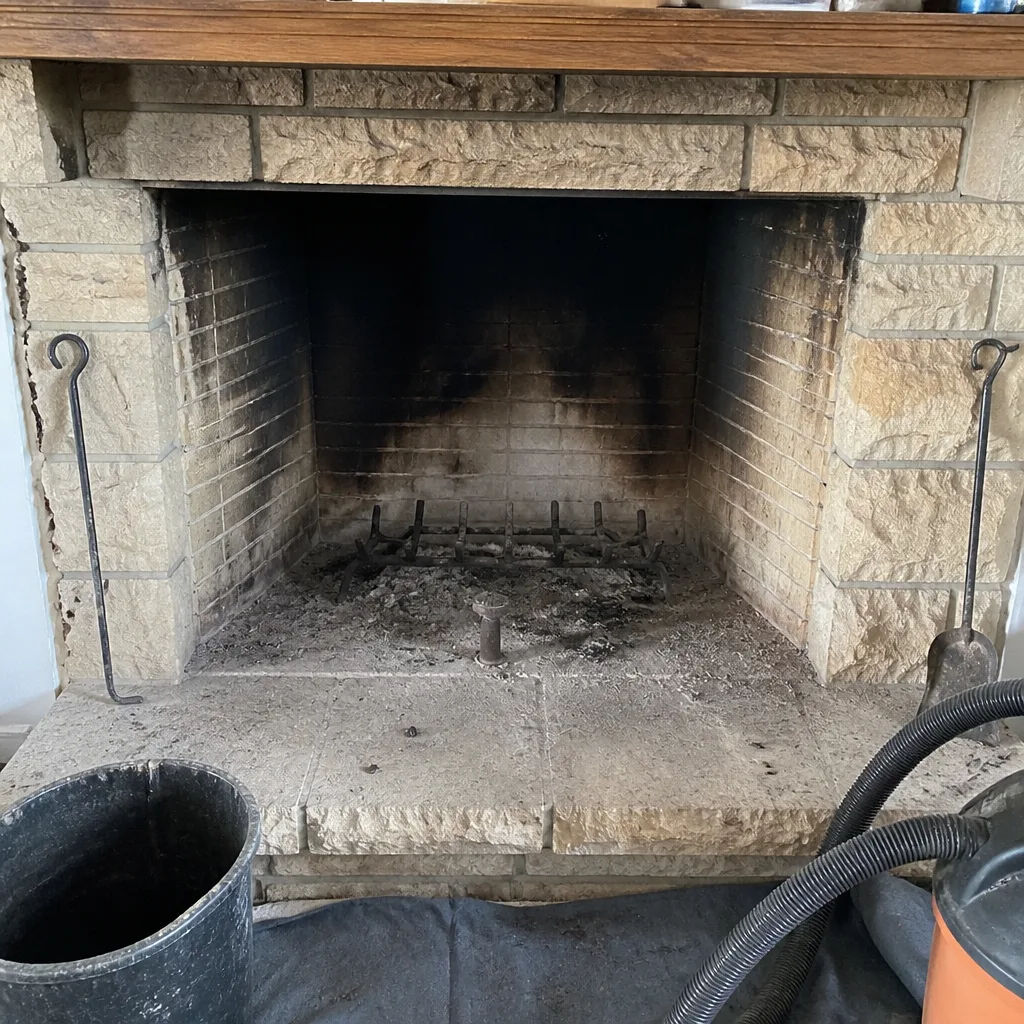 Before
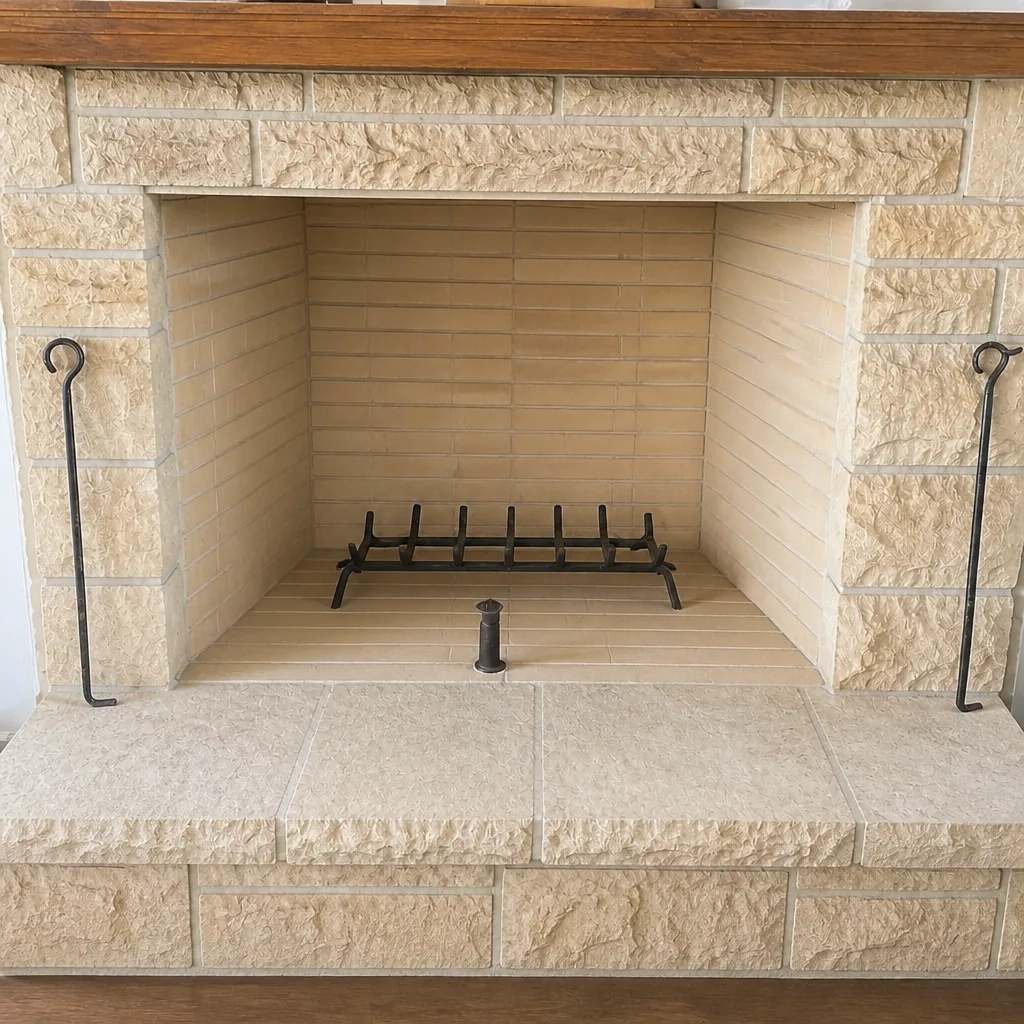 After
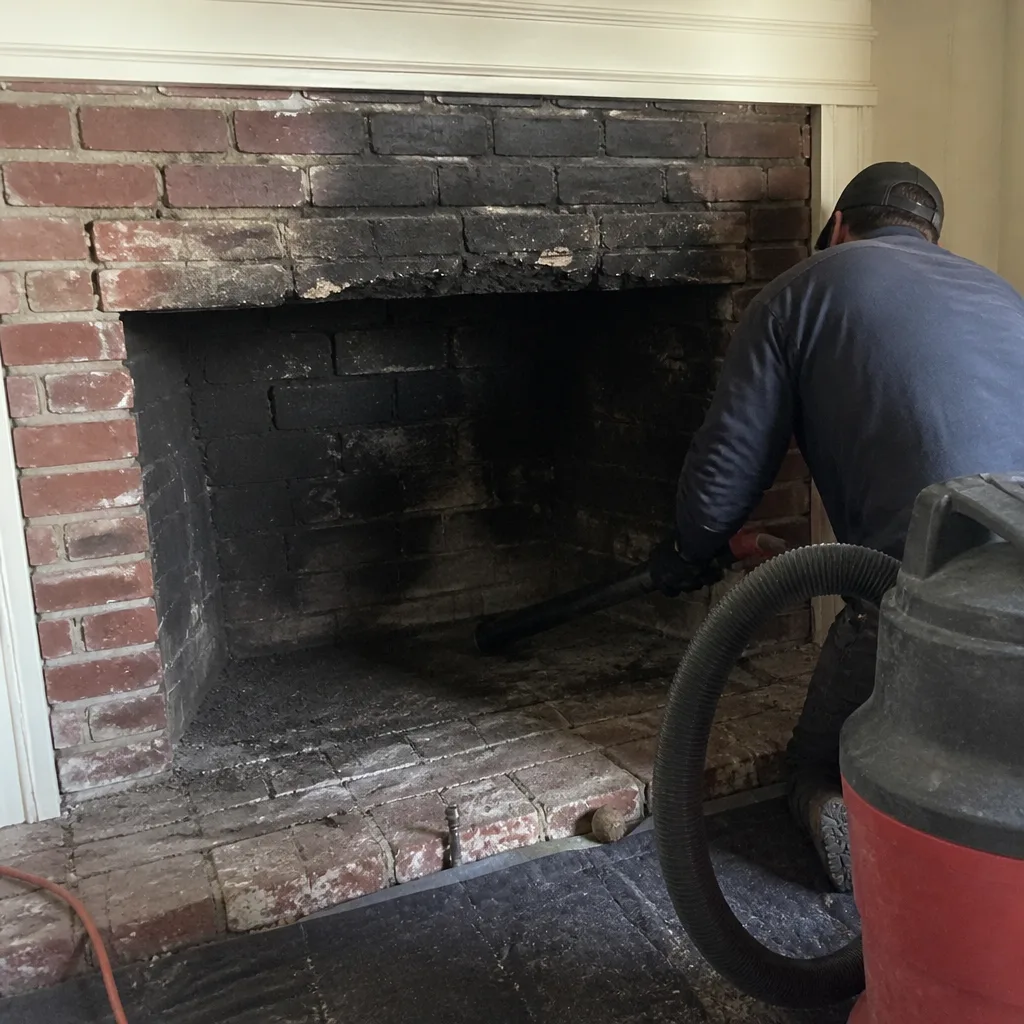 Before
 After
 Before
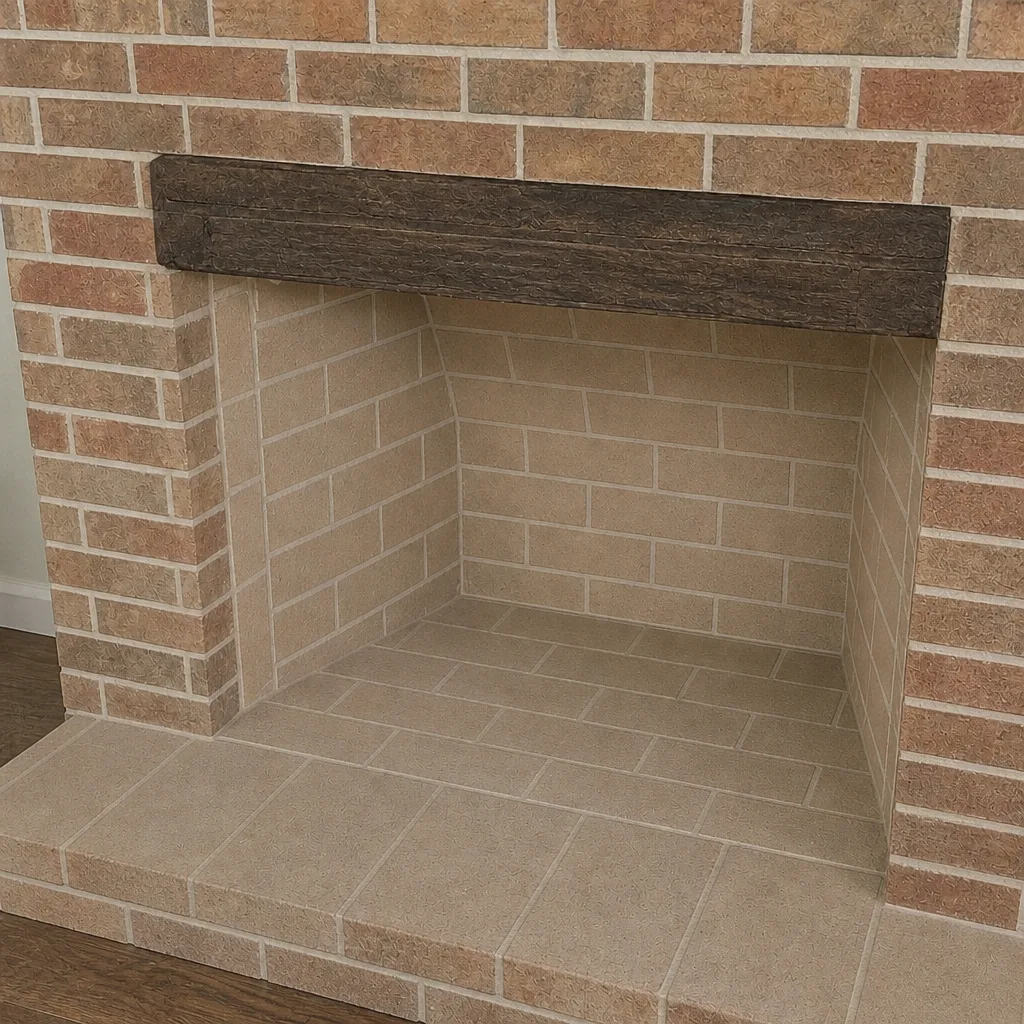 After
When to Call a Professional
Some conditions justify a call on their own, without waiting for a seasonal sweep. If you’re smelling a strong, acrid odor from the firebox that doesn’t dissipate after the fire is out, that’s creosote buildup worth investigating. If smoke rolls back into the room rather than up the flue, the flue or damper may be obstructed or improperly sized. If you’ve had a chimney fire, even a small one you put out yourself, the flue should be inspected before the next fire. If you’ve changed fuel type, added an insert, or bought a home with an unfamiliar chimney, get an inspection. If you can see spalling or missing mortar at the flue top, or the firebox shows cracked or crumbling masonry, that warrants a professional look. And if you’re buying or selling an older home in Norman, a documented inspection gives both sides something concrete to discuss.
Chimney Sweep Norman offers free estimates in Norman – call (888) 561-3468. We answer 24/7, with fast dispatch from 7am to 7pm, Sunday through Friday. Our technicians have up to experience, and we’re stocked and trained on DuraFlex, HeatShield, Gelco, Olympia Chimney, Famco, and Copperfield, so you’ll know exactly what’s going into your chimney and why.
Frequently Asked Questions
A residential chimney sweep in Norman typically falls somewhere in the range that a written estimate will confirm, and the price depends on the flue’s condition, the number of flues, and whether a camera inspection is included. The written estimate sets the final price, and there’s no service-call fee to find out. Call (888) 561-3468 for an exact quote – estimates are free.
The general guidance from the trade is once per year for a wood-burning fireplace that sees regular use, and more often if you burn frequently or burn unseasoned wood. Gas appliances have different maintenance intervals but should still be inspected periodically. The inspection findings tell you more than any calendar rule. Call (888) 561-3468 to schedule a sweep and get documentation on your specific flue.
Not always. A liner that’s damaged but structurally sound can often be restored with HeatShield ceramic resurfacing instead of being pulled and replaced with a full liner system. The decision comes down to what the camera scan shows. We won’t recommend a replacement unless the restoration path isn’t viable, and we show the camera footage so you can see the evidence yourself. Call (888) 561-3468 for an exact quote.
Creosote accumulates in the flue with every fire, and at certain thicknesses it can ignite, which is how chimney fires start. A failing liner also allows combustion gases to reach the structure. These risks build quietly and don’t announce themselves. A scheduled sweep and inspection catches problems before they become emergency calls. Call (888) 561-3468 to book an inspection.
A sweep is a cleaning; an inspection is an assessment of condition. A thorough visit usually includes both, with the inspection documented by photos and a written report. That report is useful for insurance, real estate, and your own records. Call (888) 561-3468 for an exact quote on a combined sweep and inspection.
Yes, and keeping all three under one roof avoids the coordination risk of hiring a sweep, a separate inspector, and a general contractor for repairs. When the same team documents the flue condition, plans the repair, and does the work, the findings travel intact. Chimney Sweep Norman handles all three as an integrated offering. Call (888) 561-3468 for a free estimate.
The Bottom Line
Hiring a chimney contractor in Norman comes down to screening on specifics. Ask what liner product they’d use and why. Ask what the repair products are by name. Ask what level of inspection they perform and whether you get a camera scan before a repair is recommended. Verify CSIA certification but don’t stop there; it establishes their standards knowledge, not their material quality or their scope of work. Insist on written scopes so quotes can be compared honestly, and treat a bottom-line price without a scope as a number without meaning. If the contractor can answer these questions easily and hand you documentation, you’re talking to someone who will do this properly. If they can’t, you’ve saved yourself a callback.
Chimney Sweep Norman handles sweep, repair, and inspection as one integrated service, working exclusively with trade-grade materials like DuraFlex liner systems, HeatShield ceramic resurfacing, Gelco caps, Olympia Chimney components, Famco, and Copperfield. We disclose the brand names on every estimate, and we show you the camera evidence before recommending any repair. Call (888) 561-3468 for a free estimate. We answer 24/7, with fast dispatch from 7am to 7pm, Sunday through Friday.
Written by the team at Chimney Sweep Norman.