
Last updated November 15, 2026
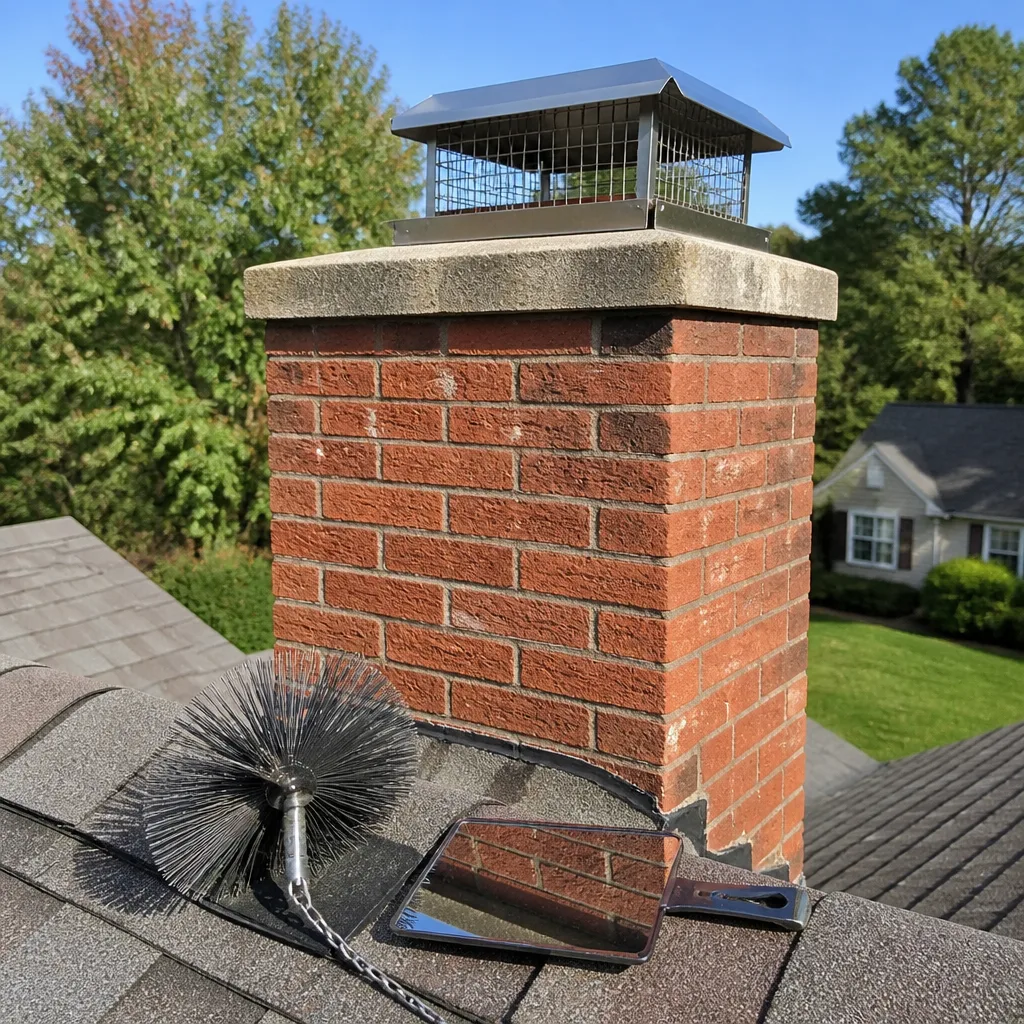 Sweep & inspection
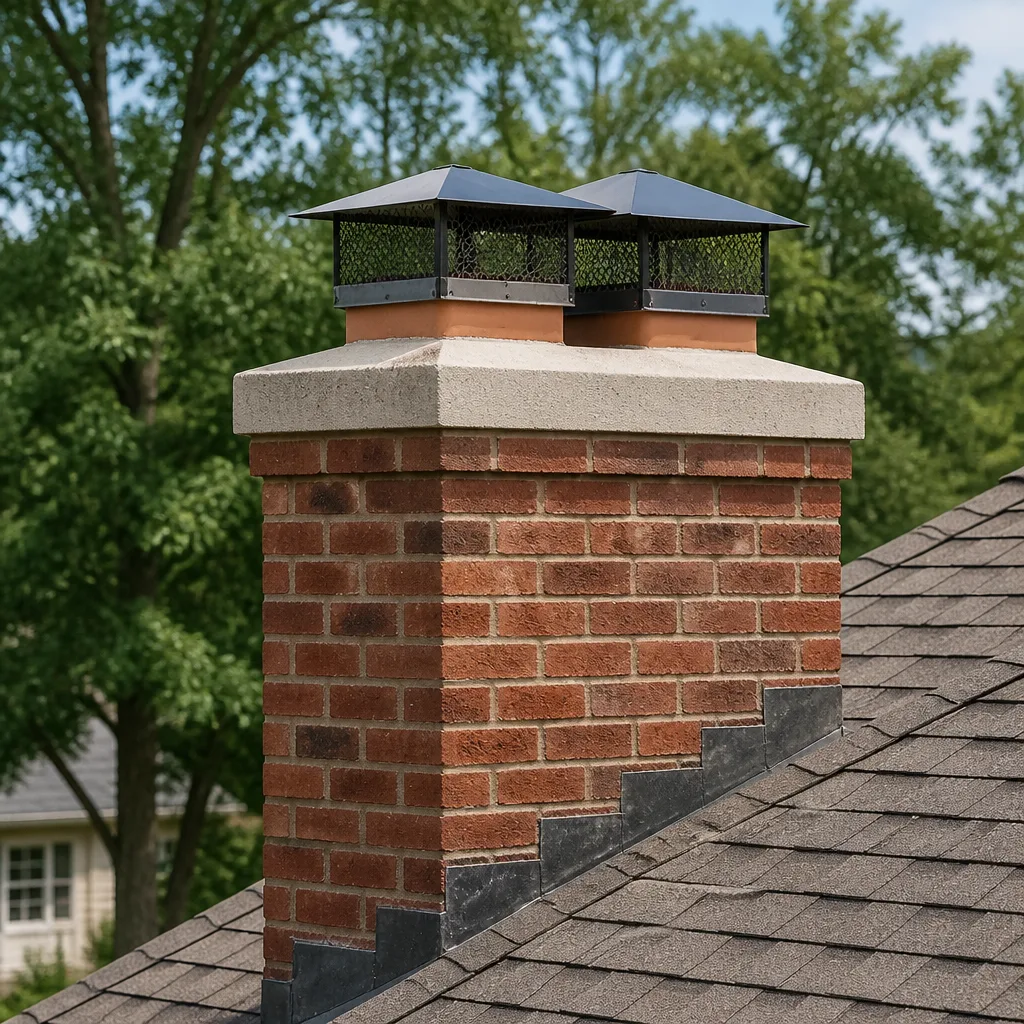 Caps & crowns
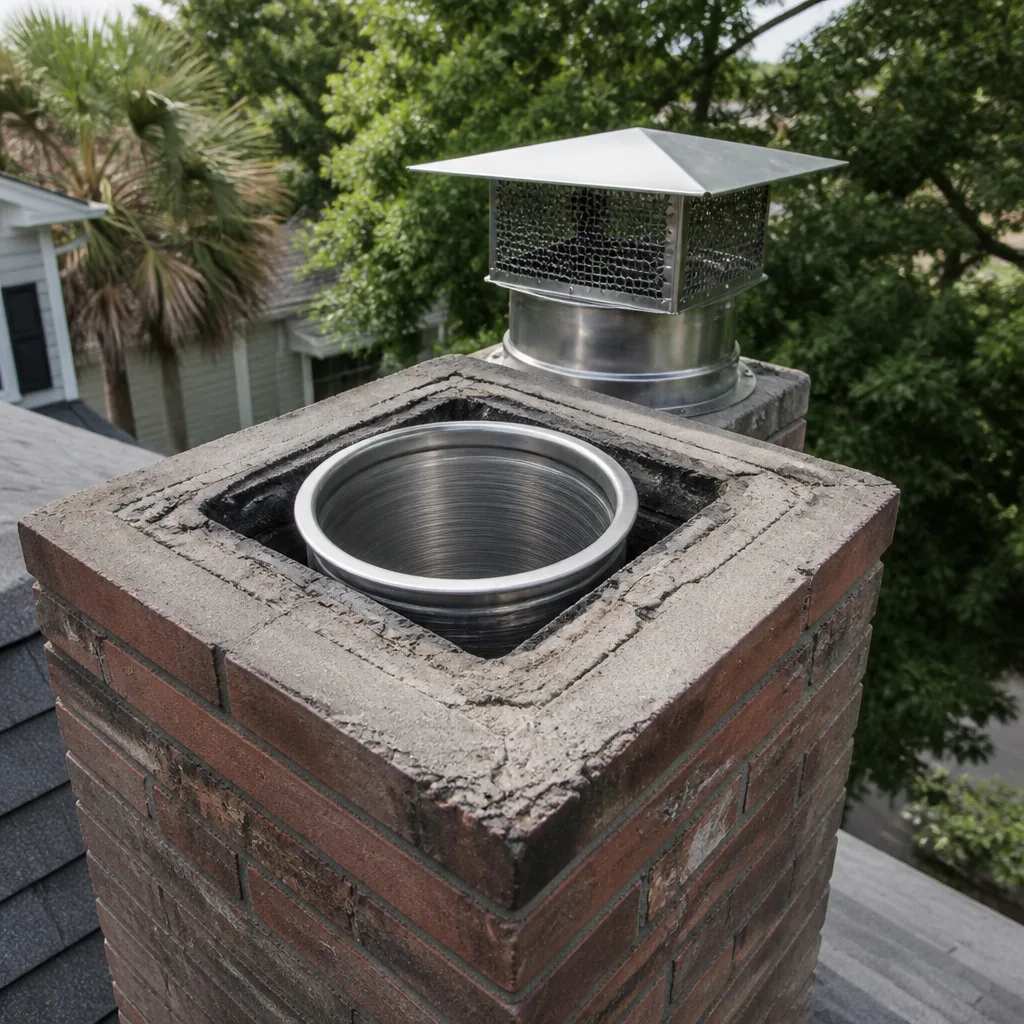 Flue relining
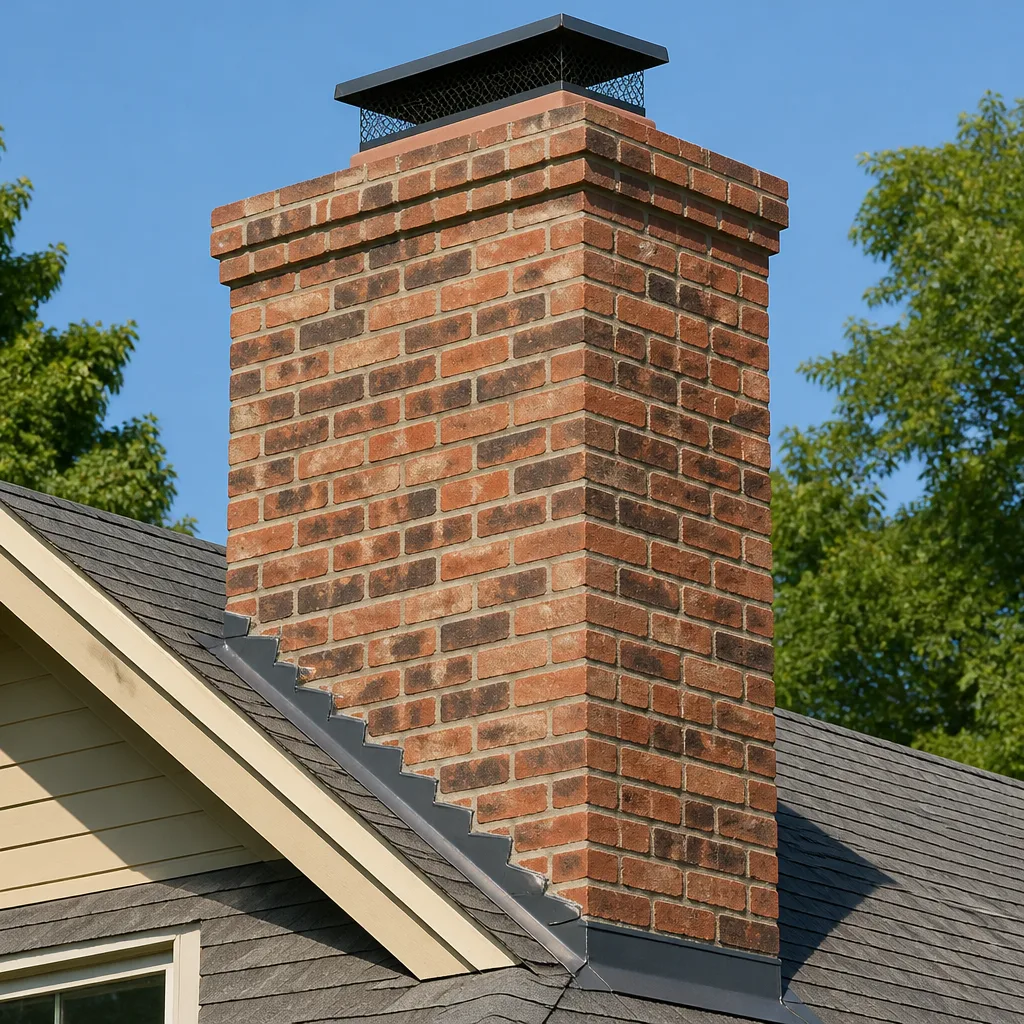 Masonry repair
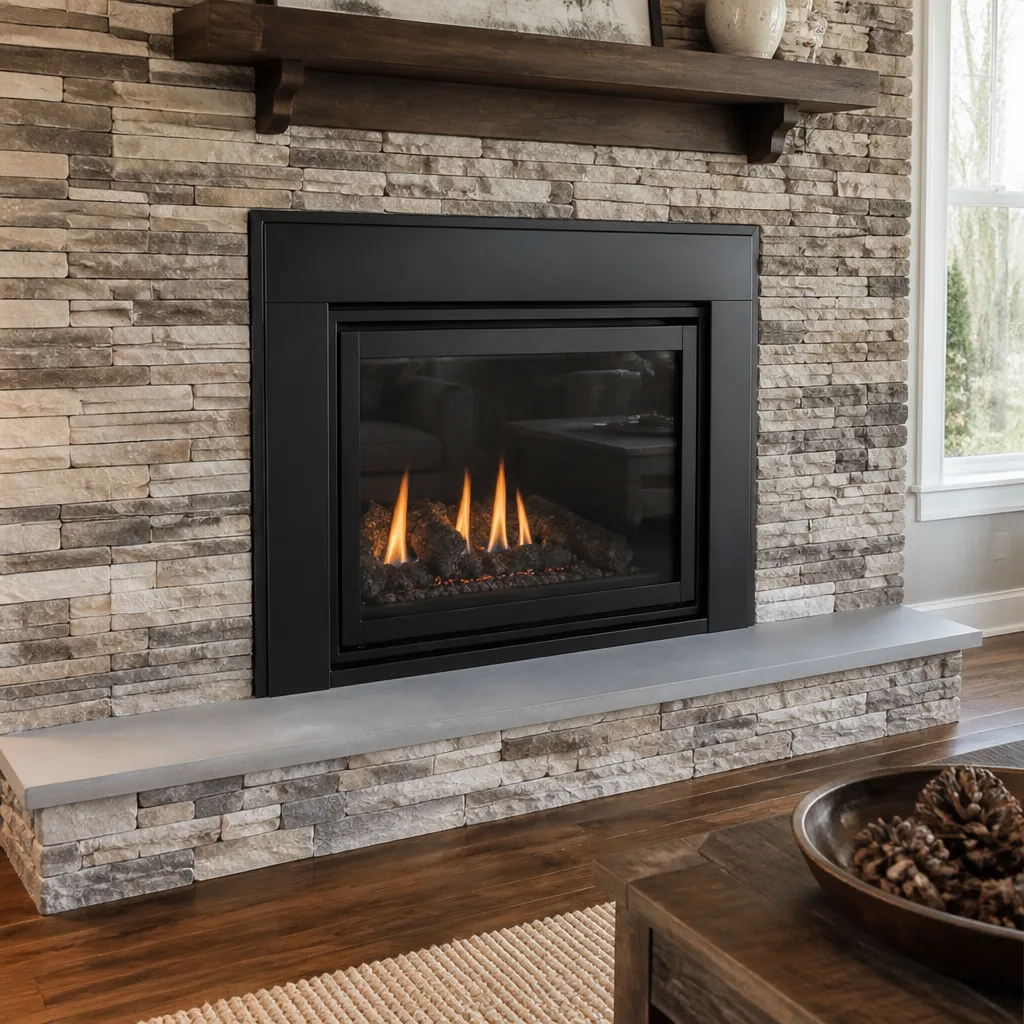 Gas fireplace service
Level 1 sweep and inspection to the NFPA 211 annual standard - flue, crown, cap, and flashing checked and photographed
Chimney sweep logs do not sweep chimneys. They loosen some creosote - which then falls where a brush and vacuum still have to collect it.
Seasonal Chimney Cleaning Care for Norman: Year-Round Homeowner’s Guide
Most homeowners think about their chimney in October, right before the first fire of the season. In Norman, that’s about six months too late. The damage that turns into an expensive liner repair usually starts in April, when freeze-thaw cycles pry at the crown and flashing and spring rain finds every hairline crack. And it gets worse from there: a masonry chimney and a prefab metal firebox fail in completely different ways across Oklahoma’s four seasons. Treat them the same and you’ll either over-maintain one or miss a real problem on the other. This guide walks through what each season actually does to each chimney type in Norman, and what to check before the damage compounds.
Styles & brands we work with
- Sweep & inspection
- Caps & crowns
- Flue relining
- Masonry repair
- Gas fireplace service
Quick Answer
Seasonal chimney care in Norman means inspecting in spring for freeze-thaw damage, checking the cap and crown in summer heat, completing a full pre-burn inspection before the first fall fire, and sweeping based on how much wood you actually burn through winter. Masonry chimneys need moisture and mortar attention; prefab zero-clearance units need firebox and damper attention. Sweep, repair, and inspect all year, not just in October.
Table of Contents
- Why Norman’s Seasons Affect Chimneys Differently
- Spring: What Freeze-Thaw Cycles Do to Norman Chimneys
- Summer: Cap and Crown Failure in Oklahoma Heat and UV
- Fall: The Pre-Burn Inspection Sequence
- Winter: Burn Rate, Creosote Math, and Cleaning Intervals
- Prefab Zero-Clearance vs. Masonry: Different Seasonal Vulnerabilities
- Norman Chimney Care Calendar: What to Do Each Month
- Common Mistakes to Avoid
- When to Call a Professional
- Frequently Asked Questions
Why Norman’s Seasons Affect Chimneys Differently
A chimney is an outdoor structure attached to an indoor system, and in Norman it gets the full range of what Oklahoma weather can throw at it. Summer afternoons push well into the nineties with high UV. Winter swings above and below freezing within the same week, sometimes the same day. Spring brings heavy rain followed by sudden clearing and cold snaps. Each of those conditions targets a different part of the chimney.
The critical distinction is between masonry and prefab. A masonry chimney is a stack of brick, mortar, and a clay or cast-in-place flue liner. Its enemies are water and freeze-thaw. A prefab zero-clearance unit is a steel firebox inside a metal chimney chase, common in Norman subdivisions built between the 1980s and 2000s. Its enemies are heat cycling, gasket failure, and rust. What protects one does nothing for the other.
Sweep. Repair. Inspect. Those three disciplines cover every season and every chimney type, but the emphasis shifts. If you’re new to the area or new to a wood-burning home, our Chimney Sweep Norman team can walk you through the specific risks on your setup before anything else. A clean chimney is a fire-safety decision, not a maintenance checkbox, and understanding which vulnerabilities your chimney actually has is where that decision starts.
Spring: What Freeze-Thaw Cycles Do to Norman Chimneys
Spring is when winter’s damage becomes visible, and it’s the season most homeowners skip entirely. As temperatures bounce between freezing nights and warm afternoons, water that soaked into brick and mortar during late-winter rain expands when it freezes and contracts when it thaws. That cycle repeats dozens of times through February and March. By April, the evidence is there if you know where to look.
What to check in spring:
- Spalling brick. Faces of brick flaking off or popping loose. Spalling means water is inside the brick and pushing outward. Once it starts, it accelerates.
- Lifted or separated flashing. The metal where the chimney meets the roof. Freeze-thaw pushes flashing away from the masonry, opening a gap for rain to run directly into the attic.
- Crown cracking. Hairline cracks in the concrete cap on top of the chimney. They widen through winter ice expansion and become wide enough to admit water by spring.
- Mortar joint erosion. Recessed or crumbling mortar lines between bricks. This is slow damage that turns structural if left.
- Interior water stains. Brown streaks on the firebox walls, smoke chamber, or nearby ceiling. These point to water coming in from above.
On a prefab unit, spring checks look different. Look for rust on the firebox exterior, water inside the chase, and any sign the top cap has shifted. If a crack or gap has opened, our chimney repair service covers crown sealing, flashing repair, and mortar repointing. Getting to these in April rather than September is the difference between a small repair and a liner replacement by October.
Summer: Cap and Crown Failure in Oklahoma Heat and UV
Oklahoma sun is hard on roofing materials, and chimney caps are no exception. A cap takes direct UV all summer, plus heat radiating off the crown. Galvanized steel caps often show rust through within a handful of summers in this climate, and rusted caps let water straight into the flue. Stainless steel holds up far longer. Copper is the longest-lived option but costs more up front.
What to look for in summer:
- Rust on the cap. Any orange-brown streaking on the cap body, mesh, or mounting flanges signals the protective coating has failed.
- Sagging or shifted cap. A cap that’s visibly out of level can let water run in on one side.
- Loose or missing cap mesh. The mesh keeps birds, squirrels, and debris out of the flue. In Norman, a missing screen is an open door.
- Crown crazing. Surface maps of fine cracks on the concrete crown. These look cosmetic but widen through the next freeze-thaw cycle.
Summer is also the best time to have a sweep done if you didn’t get to it in spring, because the schedule is lighter and you’re not competing with the October rush. The Gelco caps we work with are built for this climate and hold up far better than hardware-store substitutes. If you’re considering a cap replacement, ask what material is going on: stainless, galvanized, and copper all have different lifespans in Oklahoma heat.
Fall: The Pre-Burn Inspection Sequence
Fall is when most homeowners think about their chimney, and rightly so. But a proper pre-burn check is more than a look up the flue. It’s a specific sequence, and doing it in order catches problems that a casual glance misses.
The pre-burn inspection sequence for Norman homeowners:
- Damper operation. Open and close the damper fully. It should move freely through its full range. A damper stuck partway open loses heat; one stuck closed sends smoke into the room. On prefab units, the factory damper is a common failure point.
- Smoke shelf debris check. The smoke shelf is the ledge just behind the damper. It collects soot, debris, and sometimes bird nests. A flashlight and mirror will show what’s sitting there.
- Firebox condition. Look for cracked firebrick, missing mortar joints, and on prefab units, a warped or rusted firebox. Gaps between firebrick panels let heat reach the structure behind them.
- Flue inspection. A camera inspection shows the state of the liner, creosote level, and any obstructions. This is not a job for a flashlight and a phone.
- Cap and crown check. Confirm the cap is secure and the crown has no open cracks.
- Exterior check. Look at the roofline for flashing separation, spalling brick, and any visible water staining.
If the inspection turns up a cracked or spalling flue liner, HeatShield ceramic resurfacing can often restore it without a full reline. That’s a repair method endorsed by chimney industry professionals for preserving structurally sound masonry, and it’s a cost-saving path most general handymen don’t offer. If your flue can be restored instead of replaced, we’ll tell you that. Call (888) 561-3468 to book a fall inspection in Norman before the first fire. We answer 24/7.
Winter: Burn Rate, Creosote Math, and Cleaning Intervals
How often you need to sweep depends on how much you burn, and how much you burn determines how fast creosote builds up. There’s no single answer that fits every Norman home, but the math is straightforward.
Creosote accumulates in proportion to the volume of wood burned, and it accumulates faster when the fire runs cool. A smoldering fire produces more creosote per cord than a hot, efficient fire. In Norman winters, with burn seasons running from November into March, most wood-burning homeowners use their fireplace between two and ten hours a day depending on how cold the winter runs.
A rough guideline used across the trade:
- Casual burning (a fire a few evenings a week): sweep roughly once a year.
- Moderate burning (a fire most days through the season): sweep once a year, often mid-season.
- Heavy burning (fire running most of the day, most days): sweep twice per season.
Those are starting points. A camera inspection gives the real answer for your chimney and your wood. Creosote comes in stages, from soft soot to glazed, hard deposits that require a more involved cleaning. If you’ve never had your chimney swept and you’re not sure what’s up there, that’s the first thing to find out.
Winter weather matters too. A cold snap that pushes temperatures below freezing for days on end means the fire runs hot and long, but it also means condensation inside the flue. That moisture combines with creosote to form a stickier, more corrosive deposit. On prefab units, the same condensation accelerates rust on the firebox.
Prefab Zero-Clearance vs. Masonry: Different Seasonal Vulnerabilities
Norman’s subdivisions built between the 1980s and 2000s are full of prefab zero-clearance fireplaces. They look like masonry from the living room, but they’re steel boxes inside a metal chase, lined with refractory panels, and rated for clearances to combustibles as small as a couple of inches. That design changes what seasonal care looks like.
Side-by-side, the vulnerabilities on each type:
- Masonry in spring: spalling brick, crown cracking, flashing separation, and mortar erosion. Moisture is the threat.
- Prefab in spring: rust on the firebox exterior, water inside the chase, and top-cap shifts. Water intrusion is the threat but reaches the metal, not the brick.
- Masonry in summer: UV damage to the crown, cap rust, and heat-driven crack widening. Long-term mortar degradation.
- Prefab in summer: gasket failure on the firebox door, warping of refractory panels, and rust on the factory damper. Heat cycling, not UV, is the main stress.
- Masonry in winter: creosote accumulation in the flue, plus freeze-thaw damage to exterior brick during wet, cold spells.
- Prefab in winter: creosote accumulation inside the narrower flue, faster heat cycling on the firebox surround, and factory damper sticking from cold and rust.
The firebox surround on a prefab unit is the big one. The refractory panels that line the firebox crack from repeated heating and cooling. Cracks are normal wear, but wider cracks or missing pieces let heat reach the metal box behind them. That’s a fire risk, not a cosmetic issue. The factory damper on prefab units is another common failure, and a stuck damper either wastes heat up the flue or sends smoke into the room.
The good news is that prefab units don’t require the masonry repairs that masonry chimneys do. DuraFlex flexible liner systems fit many prefab retrofit applications and handle the non-standard flue configurations that rigid liners can’t. A proper inspection will tell you which system your unit needs and whether a repair is even necessary. A chimney sweep on a prefab unit should always include a firebox and damper check, not just a flue cleaning.
Norman Chimney Care Calendar: What to Do Each Month
This is the practical version of the seasonal map. It assumes a wood-burning fireplace used through the winter months and a masonry or prefab chimney in Norman. Adjust based on how much you burn and what the inspection shows.
- March-April: Post-winter exterior check. Look for spalling brick, lifted flashing, and crown cracks. Book an inspection if you haven’t had one this year.
- May-June: Crown and cap check. Note rust on the cap and any mesh damage. Schedule cap replacement if needed; summer is a good window.
- July-August: If you burn heavily, book a spring-skipped sweep now. The schedule is lighter than fall. Have the flue camera-inspected and any liner issues documented.
- September-October: Full pre-burn inspection. Damper, smoke shelf, firebox, flue, cap, and crown. Get the sweep done before the first fire.
- November-December: Burn season opens. Watch for smoke roll-out, weak draft, or damper sticking. These signal a problem that needs attention.
- January-February: Mid-season sweep if you burn heavily. Note any change in draft or smell; the firebox on a prefab unit deserves a look if you see rust or panel cracks.
For homeowners buying or selling an older Norman home, an inspection in any season produces a documented assessment you can use for insurance, real estate transactions, or your own records. Our Norman team works with buyers and sellers regularly and knows what a report needs to contain.
Common Mistakes to Avoid
- Skipping spring entirely. The freeze-thaw shoulder season is when the real damage happens. Waiting until October means a small crown crack has had six months to widen into a water intrusion problem.
- Treating prefab and masonry the same. A masonry contractor who repoints brick may have no idea how to assess a prefab firebox. They need different expertise.
- Ignoring the factory damper. A sticky or stuck damper on a prefab unit wastes heat or sends smoke into the room. It’s easy to overlook and easy to fix.
- Hiring based on a discount sweep. A cheap sweep that doesn’t camera-inspect the flue tells you nothing about liner condition. A real inspection produces photos you can see.
- Sweeping on a fixed schedule regardless of burn volume. A household burning two cords a season needs a different schedule than one burning a fire every other weekend. The wood tells you what the calendar can’t.
- Replacing a cap with galvanized steel in Oklahoma sun. Galvanized caps rust through faster than stainless. In this climate, stainless is the practical choice.
- Putting off a documented inspection before buying an older Norman home. Sellers may not know what’s in their flue. A camera inspection before closing is far cheaper than a liner replacement after.
When to Call a Professional
Some chimney work is genuinely a professional call. If you hear crackling beyond the normal fire sound, if smoke rolls into the room when you open the damper, if you see brown water stains on the firebox or ceiling, or if a firebox panel has cracked or broken, stop using the fireplace and have it inspected. On a prefab unit, rust on the firebox exterior or a factory damper that won’t operate smoothly are both reasons to call. On masonry, spalling brick, crown cracks wider than a hairline, and flashing separation all need attention before the next fire. And the once-a-year sweep plus camera inspection is the baseline for every wood-burning home.
Chimney Sweep Norman offers free estimates in Norman – call (888) 561-3468. We answer 24/7. Fast dispatch from 7am to 7pm, Sunday through Friday. Nothing is recommended without camera evidence you can see for yourself.
Frequently Asked Questions
Once a year for most homes, twice a year if you burn heavily through the winter. The right interval depends on how much wood you burn and how cleanly it burns. Call (888) 561-3468 for an exact quote; estimates are free.
A sweep removes creosote and debris; an inspection assesses the condition of the flue, firebox, cap, and crown, and produces a documented report. We handle all three disciplines: sweep, repair, and inspect. Call (888) 561-3468 to book a Norman inspection.
Not always. A cracked or spalling clay liner can often be restored with HeatShield ceramic resurfacing instead of full relining. We’ll tell you if your flue can be restored rather than replaced, and the camera evidence will show you why. Call (888) 561-3468 for an exact quote; estimates are free.
Look for rust on the firebox exterior, cracked or missing refractory panels, a factory damper that won’t open smoothly, or water inside the chase. Any of those warrants a professional inspection. Norman’s 1980s – 2000s subdivisions are full of prefab units that have never been inspected. Call (888) 561-3468.
Creosote builds up in the flue, and at higher levels it can ignite. A chimney fire can crack the flue liner, damage the chimney structure, and let heat and smoke reach the home. On prefab units, a clogged flue also increases carbon monoxide risk. Call (888) 561-3468 for an exact quote; estimates are free.
Yes. Summer is often the better window because the schedule is lighter than fall. A summer inspection gives you time to complete any repair before burn season starts. Call (888) 561-3468 to schedule a Norman inspection.
The Bottom Line
In Norman, chimney care is a year-round job, not an October checkbox. Spring is for checking freeze-thaw damage on masonry: spalling brick, lifted flashing, cracked crowns. Summer is for cap and crown attention under Oklahoma sun. Fall is the pre-burn inspection, done in order: damper, smoke shelf, firebox, flue, cap, crown. Winter is when burn rate determines how often you need to sweep. Prefab units need a different set of eyes than masonry, focused on the firebox surround and factory damper. Whether your chimney is masonry or prefab, our technicians have up to experience with both. Sweep. Repair. Inspect. One company, one standard of work.
Call Chimney Sweep Norman at (888) 561-3468 for a free estimate. We answer 24/7. Fast dispatch from 7am to 7pm, Sunday through Friday. Trade-grade materials, not hardware-store substitutes: DuraFlex, HeatShield, Gelco, Olympia Chimney, Famco, and Copperfield, and we tell you exactly what we’re putting in your chimney and why.
Written by the team at Chimney Sweep Norman.
See the difference
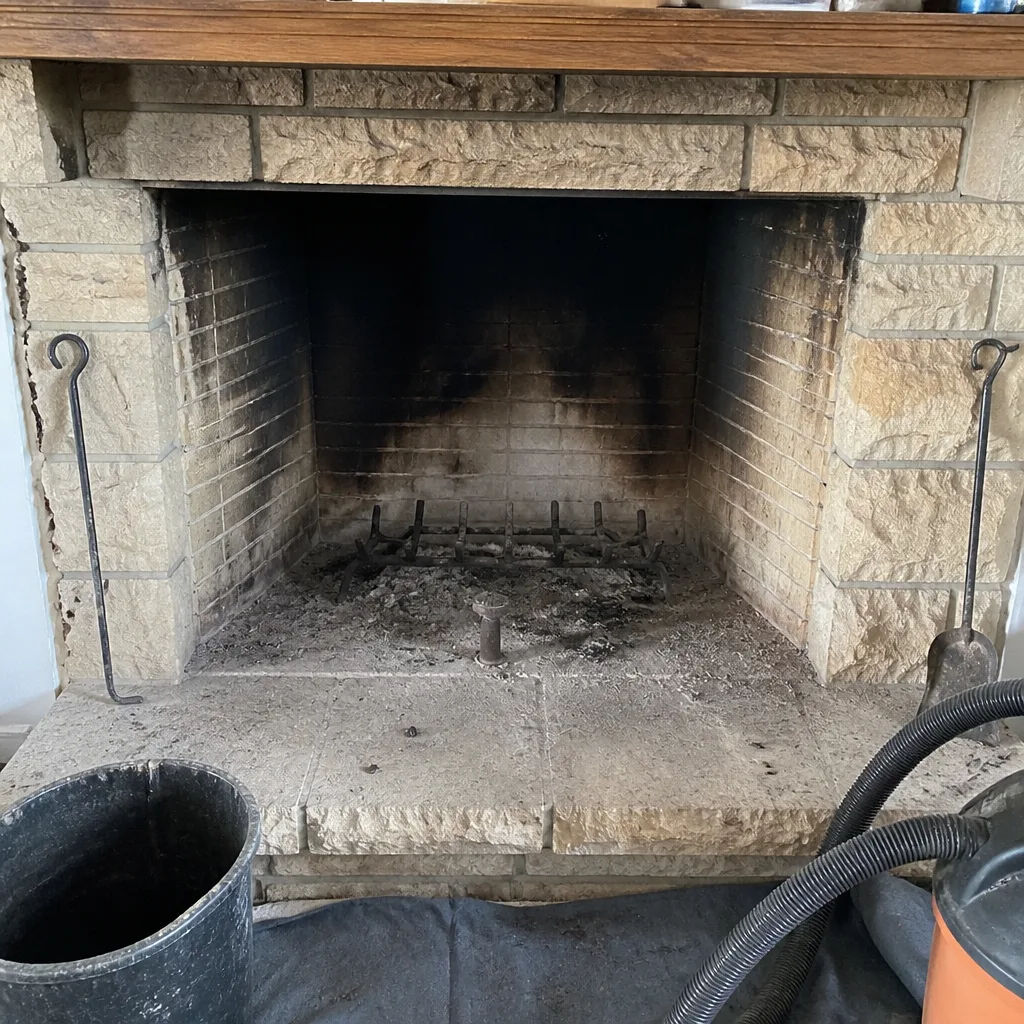 Before
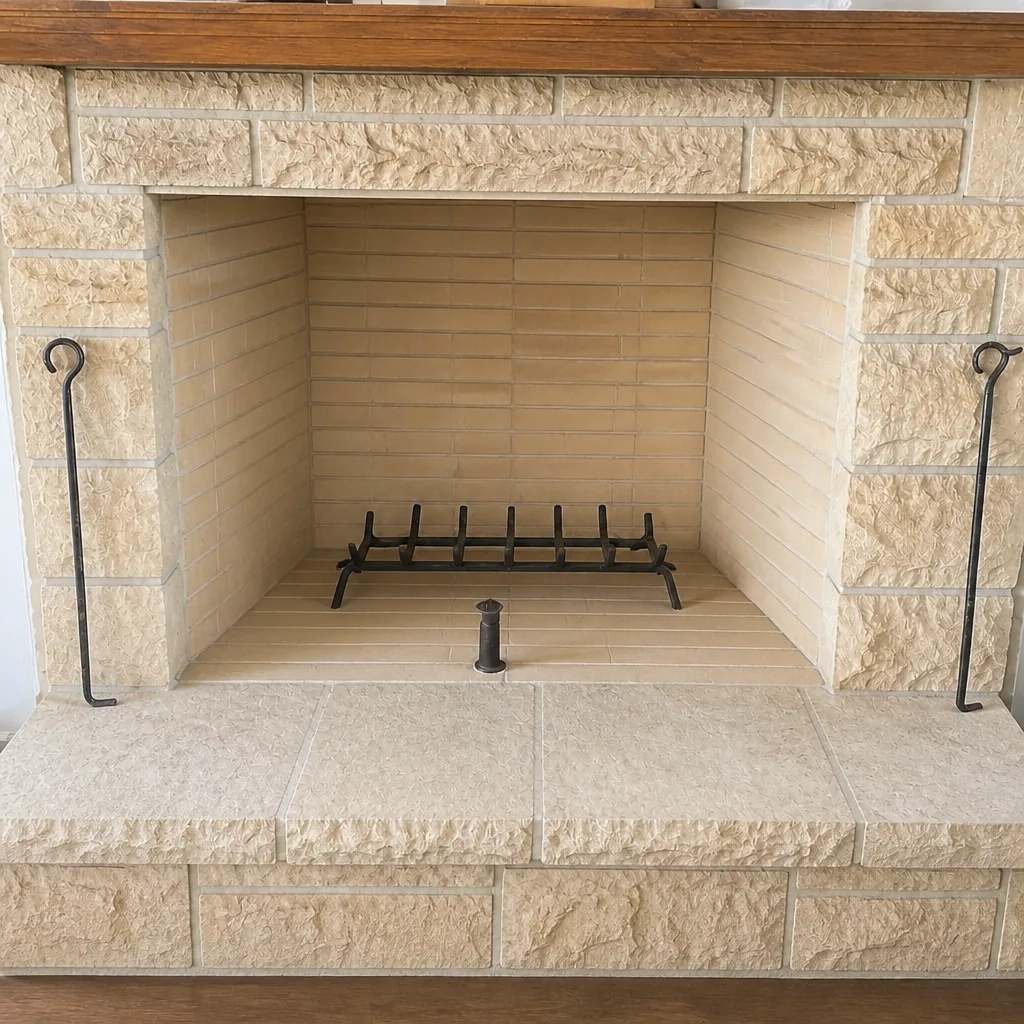 After
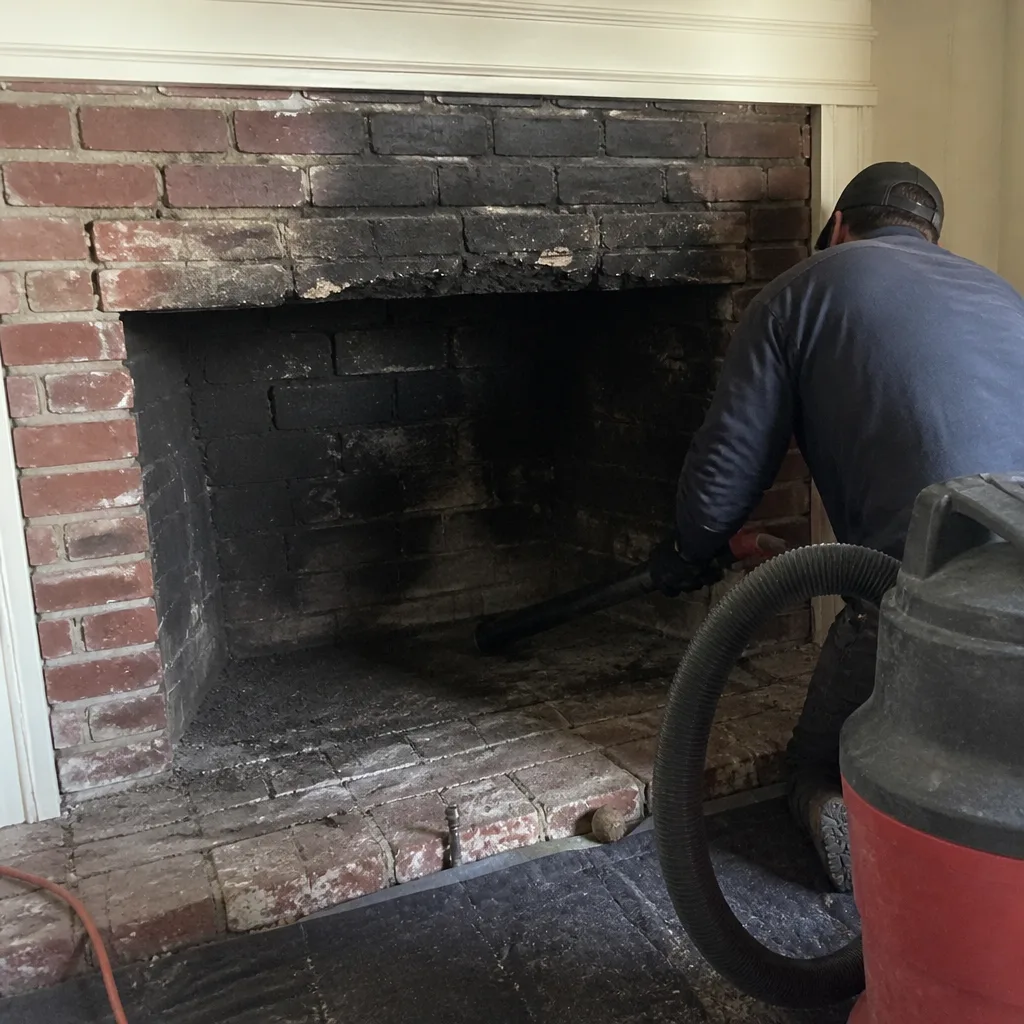 Before
 After
 Before
 After