
Last updated November 15, 2026
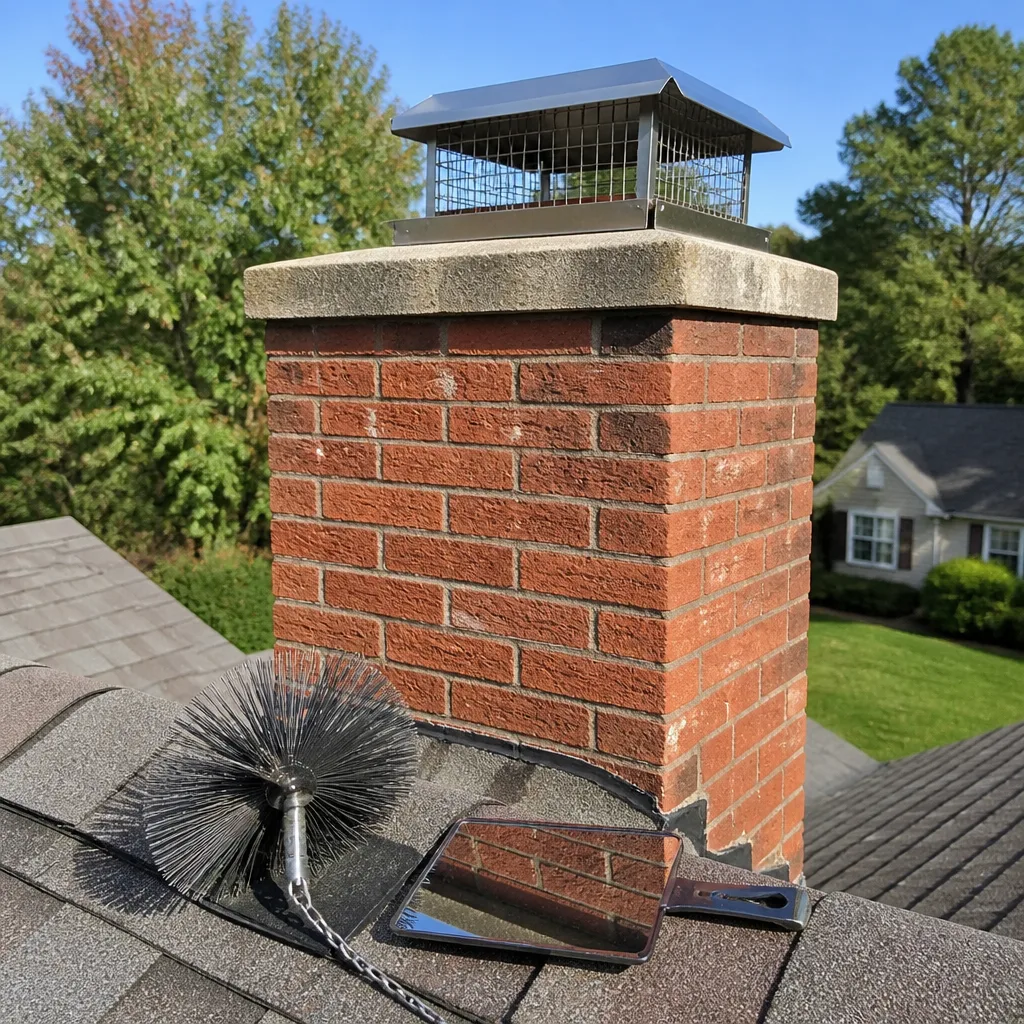 Sweep & inspection
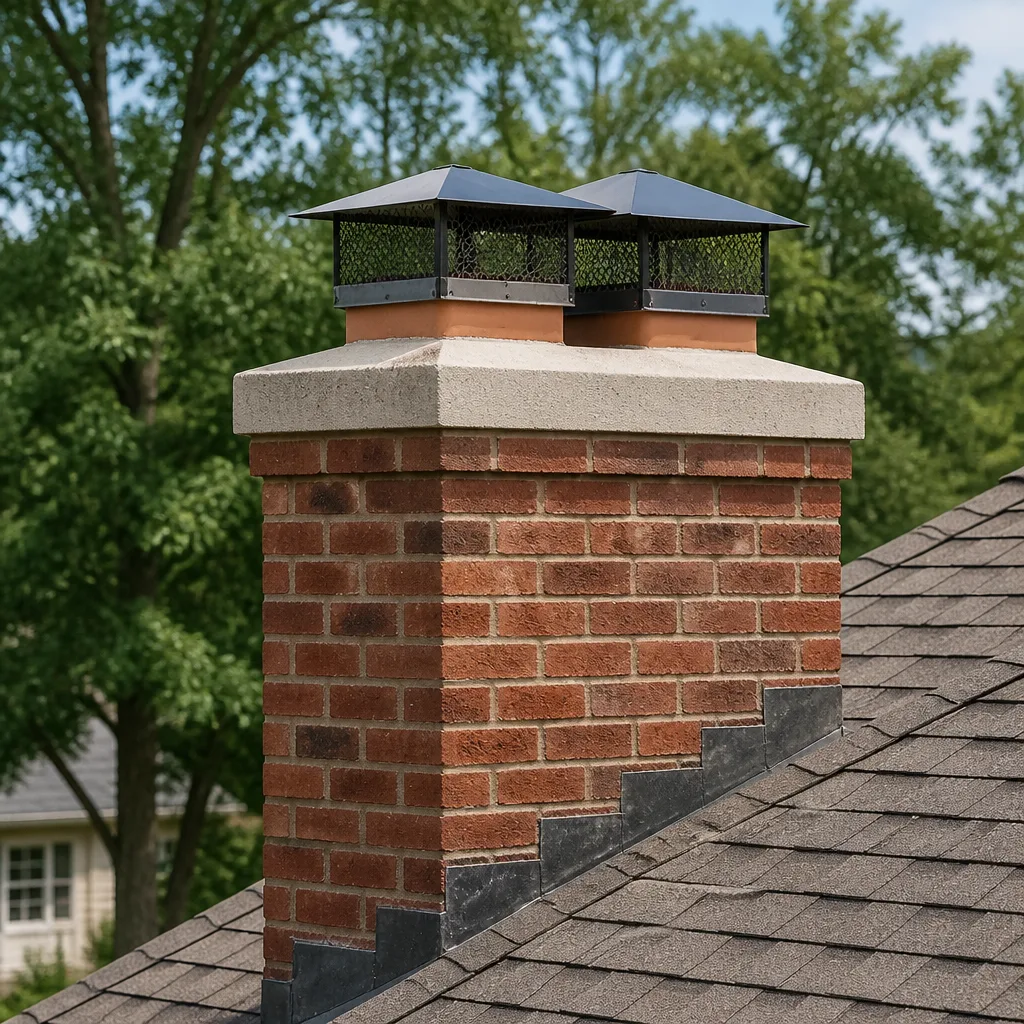 Caps & crowns
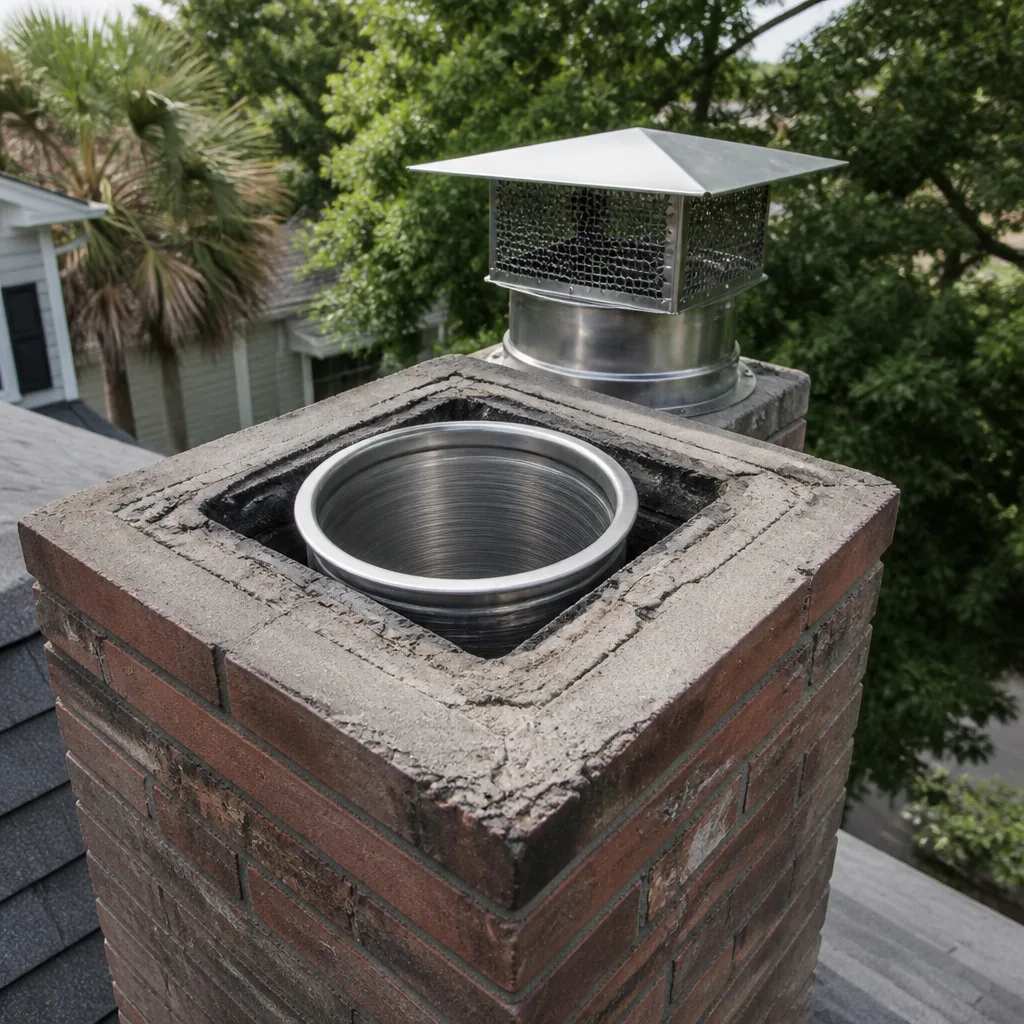 Flue relining
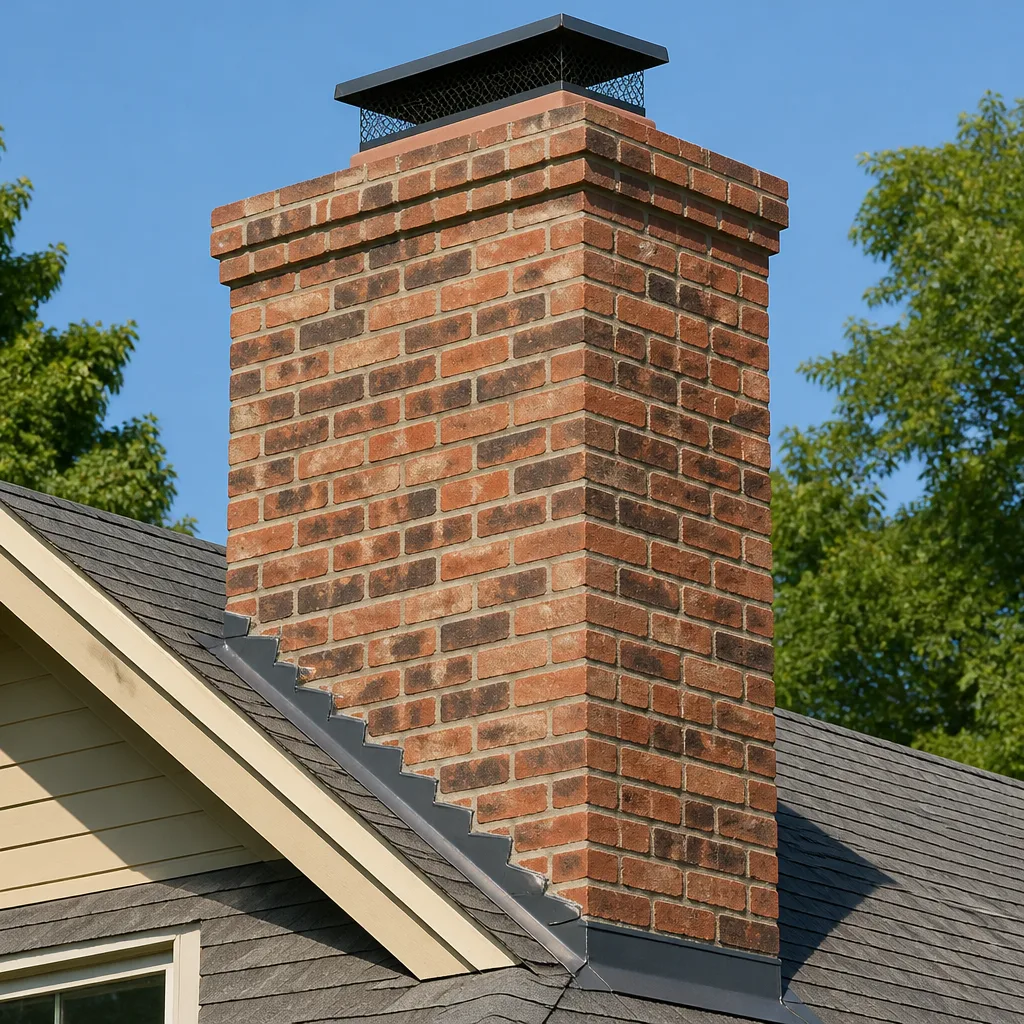 Masonry repair
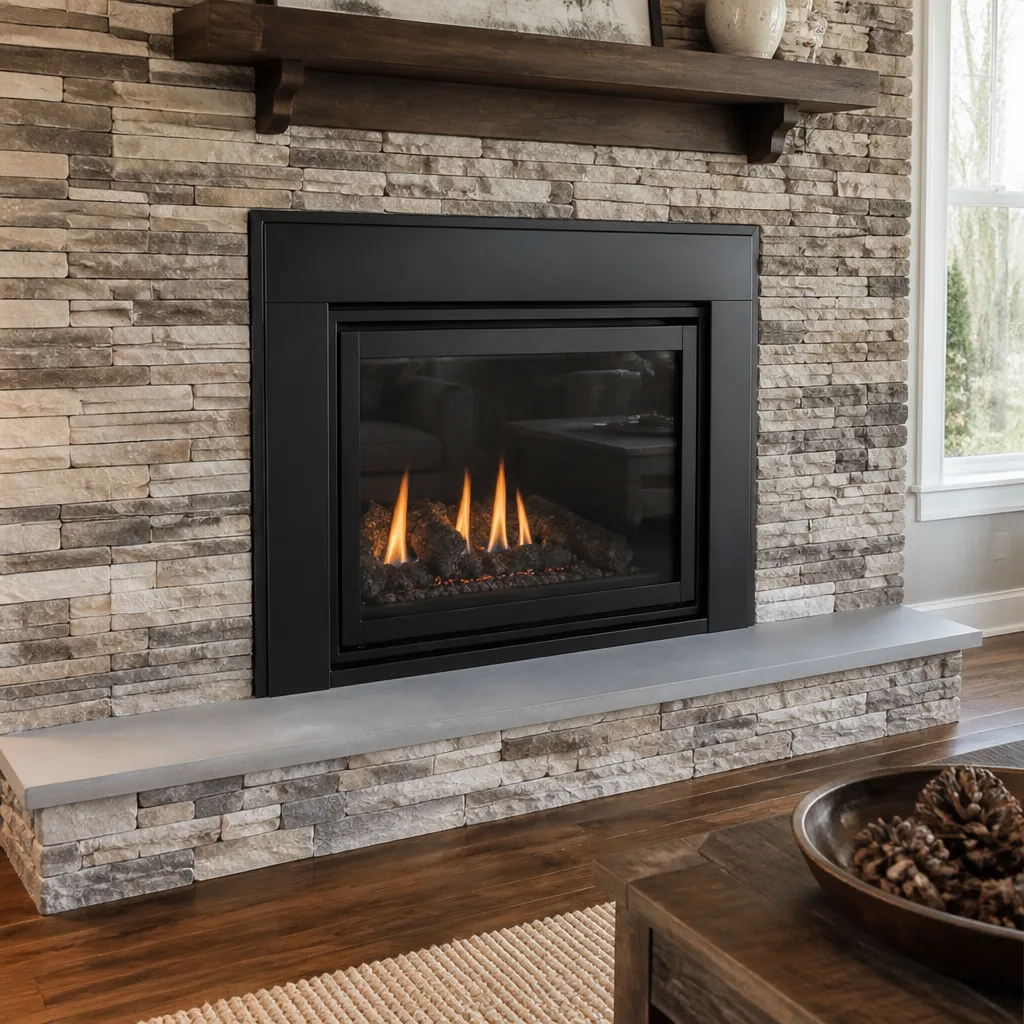 Gas fireplace service
Level 1 sweep and inspection to the NFPA 211 annual standard - flue, crown, cap, and flashing checked and photographed
Chimney sweep logs do not sweep chimneys. They loosen some creosote - which then falls where a brush and vacuum still have to collect it.
The Complete Guide to Chimney Cleaning in Norman
Most chimney fires don’t start because a homeowner skipped a cleaning. They start because the cleaning was done without anyone understanding what stage of creosote buildup was actually present in the flue. A sweep who runs a brush down a chimney and calls it clean may leave behind exactly the layer that ignites. In Norman, that gap matters more than in most places, because the way people burn here – red cedar, native hardwoods, the occasional green cord from a storm-damaged tree – produces creosote that changes character fast. This guide walks through what actually happens inside a Norman chimney across its life, how our clay soil and humidity swings shape the debris you’re dealing with, and how to read a cleaning report so you know whether the findings are accurate or conveniently understated.
Styles & brands we work with
- Sweep & inspection
- Caps & crowns
- Flue relining
- Masonry repair
- Gas fireplace service
Quick Answer
Chimney cleaning in Norman means removing creosote, soot, and debris from the flue and firebox, then inspecting the liner, smoke chamber, and cap for damage. It should be done whenever creosote reaches 1/8 inch of buildup, or annually if you burn regularly. A specification-grade cleaning includes a camera scan and a written liner condition note, not just a brush and a shop vacuum. Our technicians have up to experience and work only with professional-grade components like DuraFlex and HeatShield.
Table of Contents
- Why Norman’s Red Cedar and Hardwood Burning Creates Specific Creosote Problems
- The Three-Stage Creosote Classification System
- How Oklahoma Humidity Swings Accelerate Soot Bonding
- What a Specification-Grade Cleaning Includes That a Basic Sweep Doesn’t
- How to Read a Cleaning Report Accurately
- What Chimney Cleaning Costs in Norman
- How Often Should a Norman Chimney Be Swept?
- Common Mistakes to Avoid
- When to Call a Professional
- Frequently Asked Questions
Why Norman’s Red Cedar and Hardwood Burning Creates Specific Creosote Problems
What you burn determines what kind of creosote forms, and Norman burns a particular mix. Eastern red cedar is everywhere here – it’s a native species that fills fence lines and pasture edges across Cleveland County, and plenty of homeowners cut it for firewood because it’s free and it lights easily. Cedar is a softwood with high resin content. It burns hot and fast, but it also leaves behind a sticky, sap-heavy residue that bonds to flue walls differently than hardwood ash does. Burn a steady diet of cedar and you’ll get creosote that starts gummy and hardens into something closer to varnish than powder.
Native hardwoods – post oak, blackjack oak, pecan, hackberry – burn longer and cleaner when they’re properly seasoned, but they carry their own risk. Oak that’s cut and stacked in spring and burned by fall is still holding 25 to 30 percent moisture, and wet wood produces far more creosote per cord than dry wood. Norman has a lot of homeowners who buy a cord from a roadside seller and have no idea what the moisture content is. That uncertainty is one reason creosote patterns here vary so widely from house to house, even on the same street.
The practical result: creosote type in Norman is often a blend. Cedar-heavy burning produces a glazed, tar-like layer that a standard brush pass won’t fully remove. Hardwood-heavy burning with under-seasoned wood produces flaky, crusty deposits that come off more easily but build volume fast. A sweep who doesn’t ask what you burn, and how long it’s been seasoned, is a sweep who can’t tell you what cleaning method your flue actually needs.
The Three-Stage Creosote Classification System
Creosote is not one substance. The chimney industry classifies it in three stages, and each stage looks different on inspection and requires a different removal approach. Knowing the stages lets you understand what a sweep is telling you – and catch it when the description doesn’t match reality.
- Stage 1: Sooty, flaky, dust-like. Fresh creosote that hasn’t fully bonded. It looks like black powder or thin flakes and brushes off easily with a standard poly brush. This is the good outcome – it means the fire is burning reasonably well and the flue is staying warm enough to keep deposits dry. Most chimneys swept on a regular schedule land here.
- Stage 2: Crusty, brittle, flaky-but-bonded. The creosote has hardened into a crust that adheres to the flue wall. A brush removes some of it but leaves a residue. This stage develops when wood moisture is inconsistent or when the chimney runs cool – common in Norman when a fire is lit for short evening burns and the flue never fully warms. Stage 2 requires scraping tools and more time, not just a quick brush pass.
- Stage 3: Glazed, tar-like, glassy. The dangerous stage. Creosote has baked into a hard, shiny layer that fuses to the flue. It’s the most flammable form and the hardest to remove. A rotary brush alone won’t touch it; it needs chemical treatment, mechanical rotary cleaning, or in severe cases, consideration of relining. This is where cedar-heavy burning and cool flue temperatures combine badly.
When a sweep inspects your flue with a camera, they should be able to tell you which stage you’re at and show you the footage. If the answer is just “light” or “heavy,” that’s not a classification – it’s a guess. Ask for the stage and ask to see the video. A Norman homeowner who heats primarily with cedar and never had a camera inspection is a candidate for Stage 2 or 3 without knowing it.
How Oklahoma Humidity Swings Accelerate Soot Bonding
Norman sits in a climate that swings hard between humid summers and dry, windy winters, with freeze-thaw cycles in between. That matters inside your chimney more than most people realize. Between burnings, the flue is a tall, cold column of air, and in humid weather, moisture condenses on the inside of the liner. When that moisture mixes with leftover soot and creosote residue, it forms a mild acidic film – and that film is what makes the next layer of creosote bond tighter than the last.
In practical terms, this means creosote doesn’t just accumulate – it cures. A chimney that would normally stay at Stage 1 through a dry winter can push into Stage 2 faster here because the deposits get re-wetted between burns. Homes that sit empty in summer, or that are used seasonally, are especially prone. So are chimneys on the north side of a house, which stay cooler and hold condensation longer.
Freeze-thaw adds a second layer. When moisture inside the masonry or at the flue joint freezes and expands, it can open hairline cracks in clay tile liners and mortar joints. Those cracks then admit more moisture the next season, and the cycle repeats. This is one reason a visual (non-camera) inspection in Norman isn’t sufficient – the damage is often behind the tile face, invisible without a scan. It’s also why our chimney repair work so often starts with liner assessment. If your liner is intact but deteriorating at the surface, HeatShield ceramic resurfacing can restore it without a full replacement.
What a Specification-Grade Cleaning Includes That a Basic Sweep Doesn’t
A basic sweep is a brush, a vacuum, and a glance up the flue. It gets the loose soot out, which is fine as far as it goes, but it doesn’t tell you what’s happening to the liner or whether your smoke chamber is doing its job. A specification-grade cleaning is a different scope of work. Here’s what it includes:
- Camera scan of the full flue. A camera run from the top down shows the liner condition, joint integrity, and creosote stage at every level. This is the difference between knowing what’s in your chimney and guessing.
- Liner condition note in writing. Not “liner OK” – a description of what was observed. Joint gaps, spalling, glaze, cracks, and their location.
- Smoke chamber assessment. The smoke chamber is the sloped area above the damper. It’s a common creosote trap because it’s not a straight flue, and it’s often skipped in a quick sweep. It should be scraped and inspected.
- Cap and crown check. A damaged cap lets water and wildlife in. A cracked crown does the same. Both are visible from the roof and should be reported.
- Damper operation. Does it open, close, and seal properly? A damper that won’t close leaks heat and lets humid air into the flue between burns.
- Written report with photos. Something you can keep, use for an insurance claim, hand to a buyer or seller, or file for your own records.
We work with professional-grade components – DuraFlex flexible liner systems, HeatShield for flue resurfacing, Gelco caps, Olympia Chimney, Famco, and Copperfield – because the materials matter as much as the cleaning. When a cap needs replacing or a liner joint needs addressing, the parts that go back in should be the same tier used in new construction, not the cheapest item on a hardware shelf. We tell you exactly what we’re putting in your chimney and why, so you can research it yourself.
How to Read a Cleaning Report Accurately
A cleaning report is only useful if you can tell whether the findings are accurate. Too many reports understate problems because the sweep wants to avoid an uncomfortable conversation, or overstate them because the sweep is selling a reline. Here’s how to read one with a critical eye.
- Look for stage classifications, not adjectives. “Stage 2 creosote on the upper third of the flue” is a finding. “Moderate buildup” is a hedge. Ask for the stage.
- Check for location specificity. Problems should be described by location – which section of flue, which joint, which side of the smoke chamber. A report that says “liner shows wear” without saying where is not a diagnosis.
- Demand the photos or video. Any finding worth reporting is worth showing. If the sweep didn’t capture footage, the finding is unverifiable. You should be able to see what they saw.
- Distinguish “needs attention now” from “monitor.” A good report separates urgent items (cracked liner, Stage 3 creosote, failed cap) from watch items (early spalling, minor joint wear). Not everything needs to be fixed this season.
- Check the recommendation against the evidence. If the report recommends a full reline but the camera shows a structurally sound liner with surface deterioration, ask whether HeatShield resurfacing is an option. If your flue can be restored instead of replaced, we’ll tell you that.
In our experience, the most common problem with Norman cleaning reports is not fabrication – it’s omission. Small liner cracks that don’t look serious get left off because the sweep doesn’t want to alarm the homeowner. But those small cracks are exactly what admit moisture and start the freeze-thaw damage cycle. A report that tells you less than the camera showed isn’t protecting you.
What Chimney Cleaning Costs in Norman
A standard chimney sweep in Norman typically runs $150 to $300 for a single flue, and a specification-grade cleaning with camera scan usually sits at the higher end of that range. Prices vary by flue configuration, creosote stage, and roof access. We set the price per job by written estimate, so you know the number before any work begins.
| Service | Typical Estimated Range |
|---|---|
| Basic sweep (single flue) | $150 – $250 |
| Sweep with camera scan and written report | $220 – $300 |
| Stage 2 or 3 creosote removal | $300 – $500 |
| Additional flue (second chimney) | $75 – $150 |
| HeatShield flue resurfacing | $1,200 – $2,500 |
| DuraFlex liner installation | $2,500 – $5,000 |
| Gelco cap replacement | $200 – $450 |
Those ranges are estimates for planning. The written estimate is what sets the final price, and it’s free. What’s worth flagging: a quote that’s dramatically below these ranges usually means a basic brush pass with no camera, no smoke chamber work, and no report. You’re paying for less, and you won’t know what’s actually in your flue. If you want an accurate number for your specific chimney, call Chimney Sweep Norman and we’ll come out and put it in writing.
How Often Should a Norman Chimney Be Swept?
Most Norman chimneys should be swept once a year if they’re used regularly during heating season, and inspected at minimum even if you don’t burn enough to justify a full cleaning. The standard rule is: sweep whenever creosote reaches 1/8 inch, or once a year, whichever comes first.
But Norman’s burning patterns complicate the simple annual rule. A few things shift the frequency:
- You burn cedar regularly. Cedar’s high resin means faster buildup and more Stage 2 or 3 potential. Cedar-heavy burners should consider a mid-season inspection if they burn most nights.
- You burn unseasoned wood. If you’re not sure of your wood’s moisture content, assume it’s high, and sweep more often. Wet wood plus cool flue equals faster creosote.
- Your chimney is on the north side of the house or sits under heavy shade. Cooler flues hold moisture longer and cure creosote faster between burns.
- You burn intermittently. Short evening fires that never fully warm the flue are harder on the chimney than long burns. Intermittent burning is a Stage 2 pattern.
- Your home is older or the liner is original clay tile. Older liners are more vulnerable to joint cracks and freeze-thaw damage, so they warrant a camera inspection at every cleaning.
A chimney that’s used for a gas insert has a different profile – less creosote, but more condensation and potential appliance venting issues. The sweeping frequency is lower, but the inspection is just as important. Either way, an annual inspection keeps you ahead of the damage cycle. If you want to book a sweep for the coming season, our chimney sweep service handles both wood and gas systems.
Common Mistakes to Avoid
- Assuming a cheap sweep is a good deal. A $99 sweep is almost always a brush pass with no camera and no report. In Norman’s humidity swings, that skips the one step that catches liner damage early, and it leaves you with no record of what was actually found.
- Burning cedar exclusively. Cedar is fine in a mix, but a steady cedar diet builds glazed creosote fast. Season your hardwoods properly and mix in cedar for fire-starting rather than as the main fuel.
- Burning wood that isn’t actually dry. Roadside cords in Norman are often cut and delivered green. If you can’t knock two pieces together and hear a hollow crack, it’s not ready. Wet wood is the single biggest driver of Stage 2 buildup.
- Skipping the smoke chamber. The sloped area above the damper traps creosote and is often not included in a quick sweep. If it isn’t mentioned in the report, ask whether it was cleaned.
- Treating a cleaning report as a worst-case sales pitch or ignoring it entirely. Both extremes cost you. Read it, look at the photos, and ask whether the findings are urgent or monitor-only.
- Ignoring small liner cracks. A hairline crack in clay tile looks harmless until freeze-thaw opens it wider. In Norman, small cracks are the entry point for the damage cycle, not a cosmetic issue.
- Not asking what brands are being installed. When a sweep recommends a cap or liner, ask what brand and tier. Trade-grade materials like Gelco, Olympia, or DuraFlex are different from generic hardware-store caps.
When to Call a Professional
Some chimney issues are obvious – a strong creosote smell in warm weather, visible soot on the firebox face, a damper that won’t close, water stains on the ceiling near the flue. Those are calls you make right away. But the harder cases are the ones that look fine. A chimney burning clean at the firebox can still have Stage 3 creosote trapped in the smoke chamber or a cracked tile joint behind the surface. Those don’t show up without a camera, and they’re the reason an annual inspection matters even when a cleaning doesn’t seem “due.”
If you’re buying or selling a home in Norman, an inspection is a documented assessment you can hand to your agent, your lender, or your insurer. If you’ve just moved in and don’t know the chimney’s history, get a camera scan before you light the first fire. And if you’ve been burning for a few seasons without a sweep, don’t wait for a symptom. Call Chimney Sweep Norman at (888) 561-3468 for a free estimate. We answer 24/7. Fast dispatch from 7am to 7pm, Sunday through Friday.
For reference, our Norman service covers the whole city, and we handle sweeping, repair, and inspection as a single integrated standard of work, so there’s no coordination risk between separate contractors.
Frequently Asked Questions
A standard chimney sweep in Norman typically costs $150 to $300, and a specification-grade cleaning with camera scan and written report usually runs $220 to $300. Additional flues and severe creosote add to the estimate. Call (888) 561-3468 for an exact quote – estimates are free.
Not always. A liner that’s structurally sound but has surface deterioration can often be restored with HeatShield ceramic resurfacing instead of a full reline, which is a cost-saving path we recommend when the camera evidence supports it. If the liner has through-cracks, gaps at the joints, or glaze fused into the tile, replacement with a DuraFlex system is the safer call. We won’t recommend a reline without showing you the footage.
Once a year if you burn regularly, or whenever creosote reaches 1/8 inch. Norman’s cedar-heavy burning and humidity swings can push creosote to Stage 2 faster than in drier climates, so if you burn most nights or use cedar as a primary fuel, a mid-season inspection is worth considering. Call (888) 561-3468 to book a sweep before the heating season starts.
Creosote builds in stages and each stage is harder to remove than the last. Skip a sweep and you move from Stage 1 (easy flaky deposits) toward Stage 3 (glazed tar that ignites easily and requires mechanical or chemical removal). Skipped cleanings also let small liner cracks worsen through Norman’s freeze-thaw cycles, which can turn a $200 sweep into a $2,500 reline. Call (888) 561-3468 for an inspection if it’s been more than a year.
Wood type, moisture content, burn pattern, and chimney location all contribute. A cedar-heavy burner with a north-facing chimney that burns short evening fires will build Stage 2 creosote far faster than a hardwood burner with a dry stack and a sun-facing flue. It’s not the chimney – it’s the burning profile. A camera inspection and a conversation about your wood and burn habits will tell you which pattern you’re in.
Ask specifically. Professional-grade brands like DuraFlex (flexible liner systems), HeatShield (flue resurfacing), Gelco (caps), Olympia Chimney, Famco, and Copperfield are the same tier used in new construction and major restorations. A repair company that says “quality parts” without naming them is telling you less than you need to know. We disclose the brand upfront so you can research what’s going into your chimney.
The Bottom Line
Chimney cleaning in Norman isn’t a generic annual task. Red cedar, native hardwoods, under-seasoned cords, and the region’s humidity swings produce creosote in stages, and each stage needs a different cleaning method. The right approach is annual sweeping paired with a camera inspection that names the creosote stage, documents liner condition, and includes the smoke chamber – work a basic brush pass skips. If your liner is sound but deteriorating at the surface, HeatShield resurfacing can spare you a full reline. If a company can’t name the brands going into your chimney, ask why. Sweep, repair, and inspect under one standard of work is the way to keep a Norman chimney safe season after season.
Get a Free Estimate
Call Chimney Sweep Norman at (888) 561-3468 for a free estimate on chimney cleaning, repair, or inspection. We answer 24/7. Fast dispatch from 7am to 7pm, Sunday through Friday. Our technicians have up to experience, and every cleaning comes with a camera scan and a written liner condition note you can see for yourself.
Written by the team at Chimney Sweep Norman.
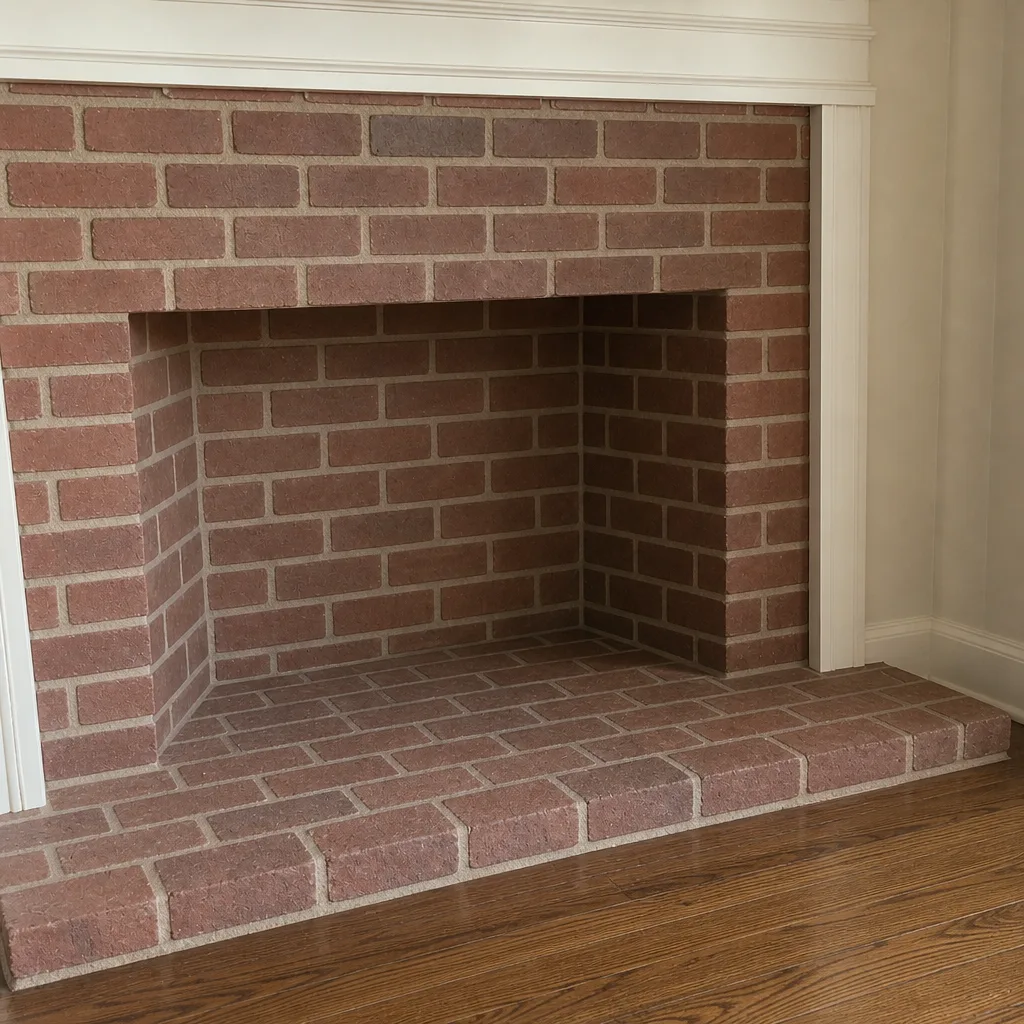
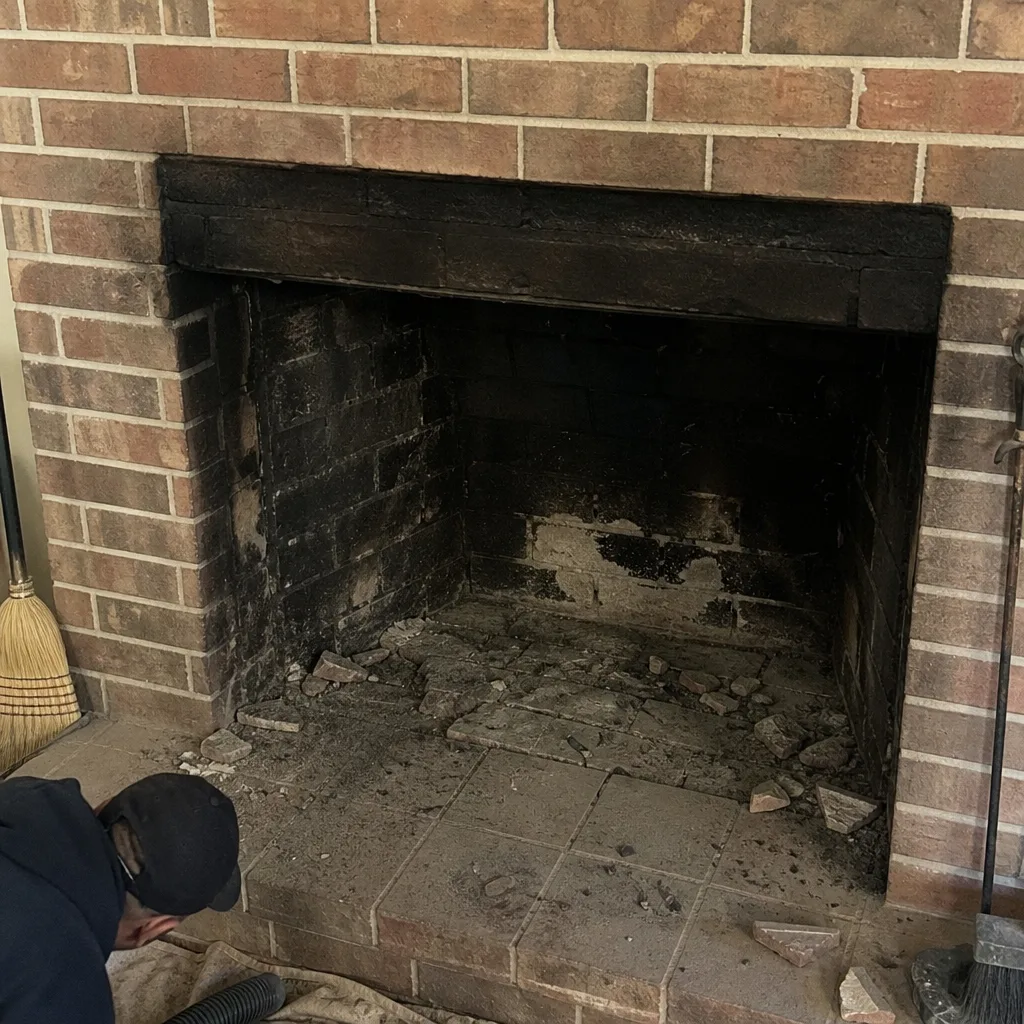
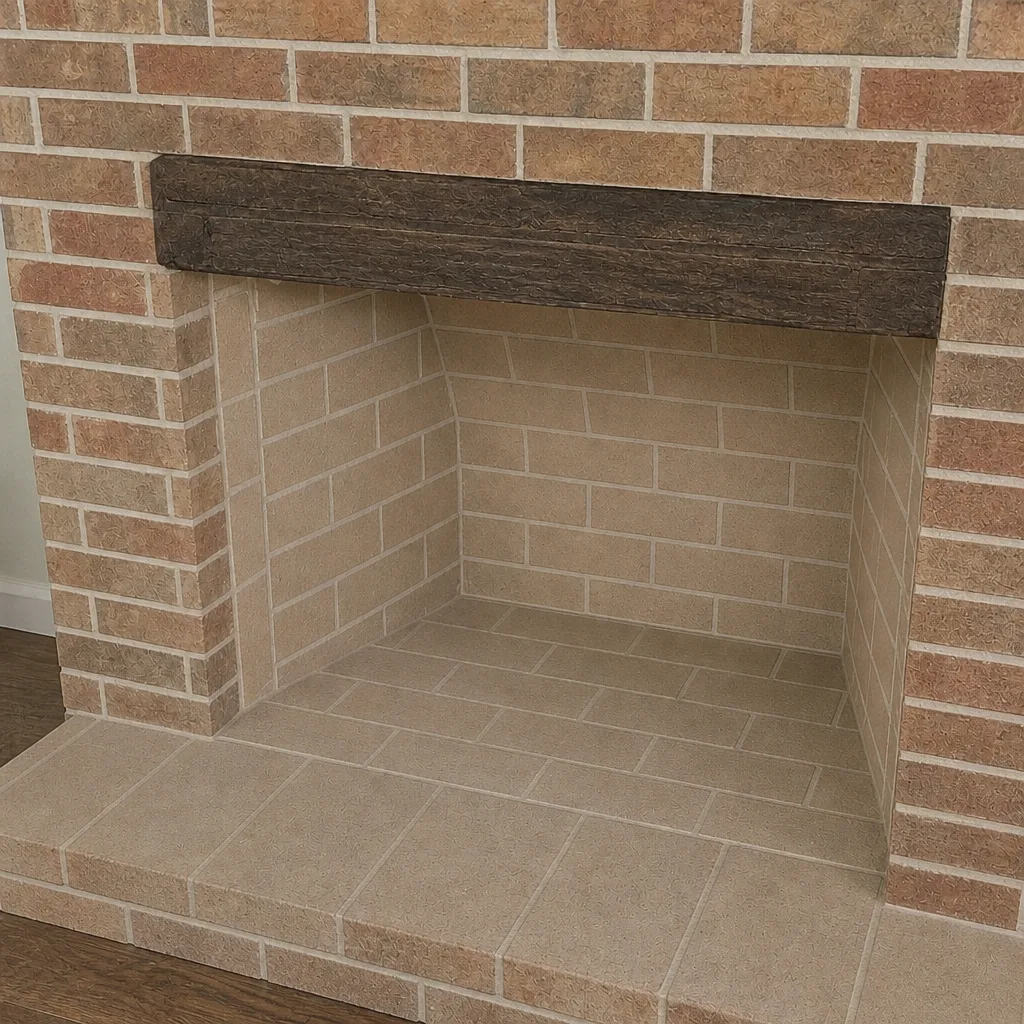
See the difference
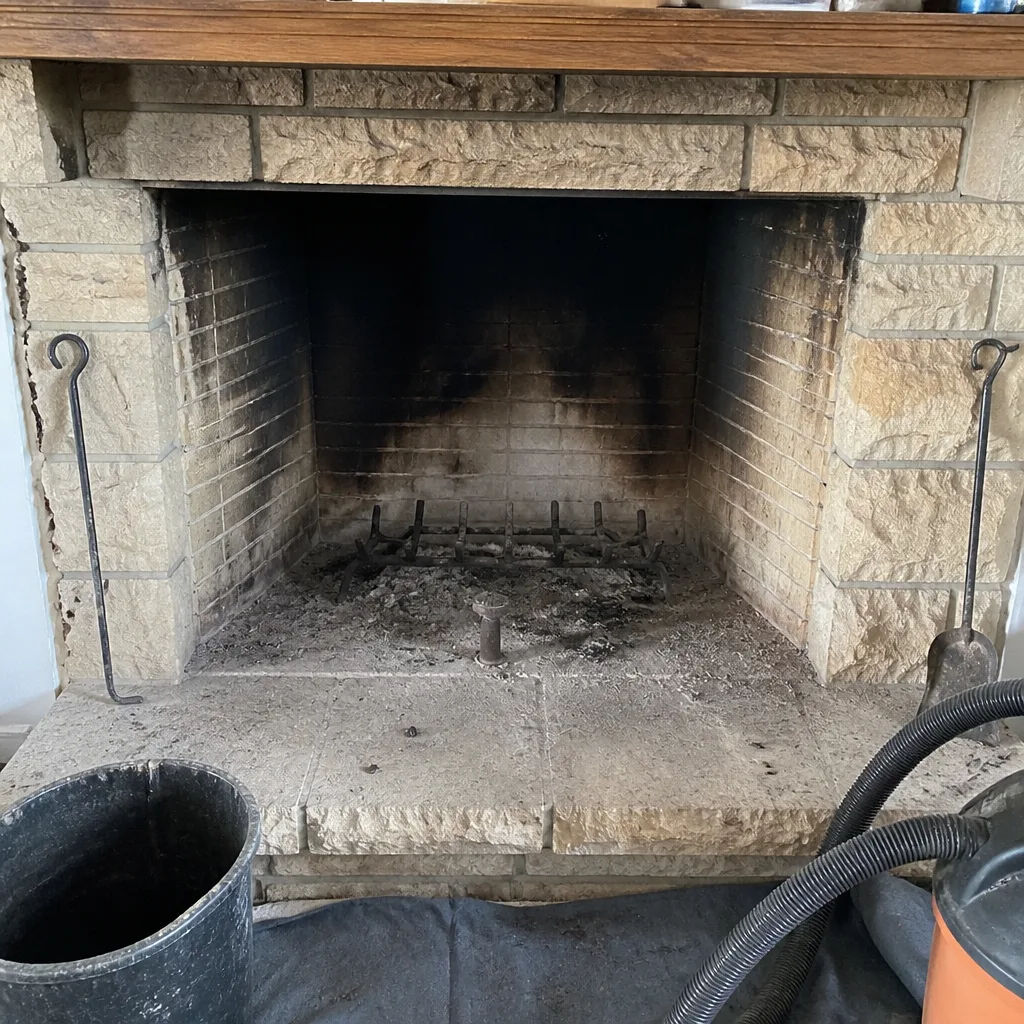 Before
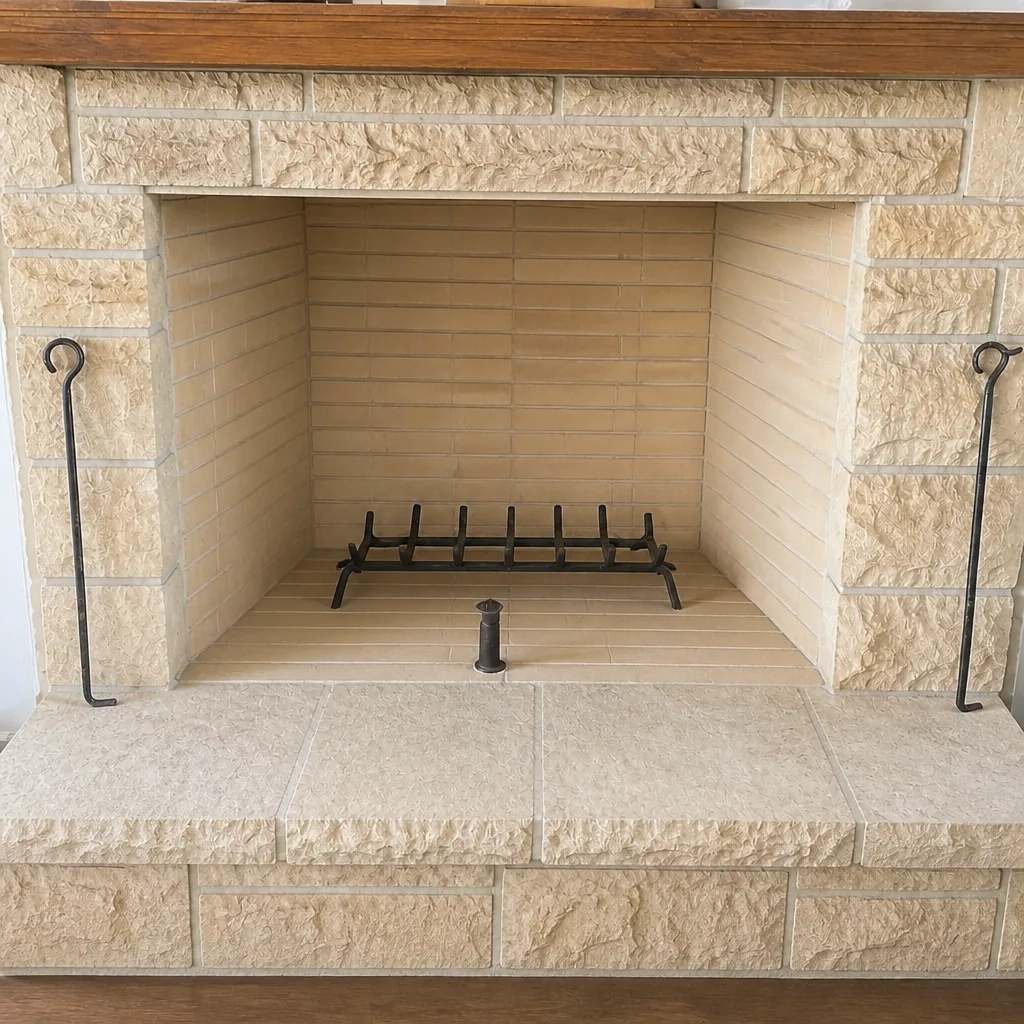 After
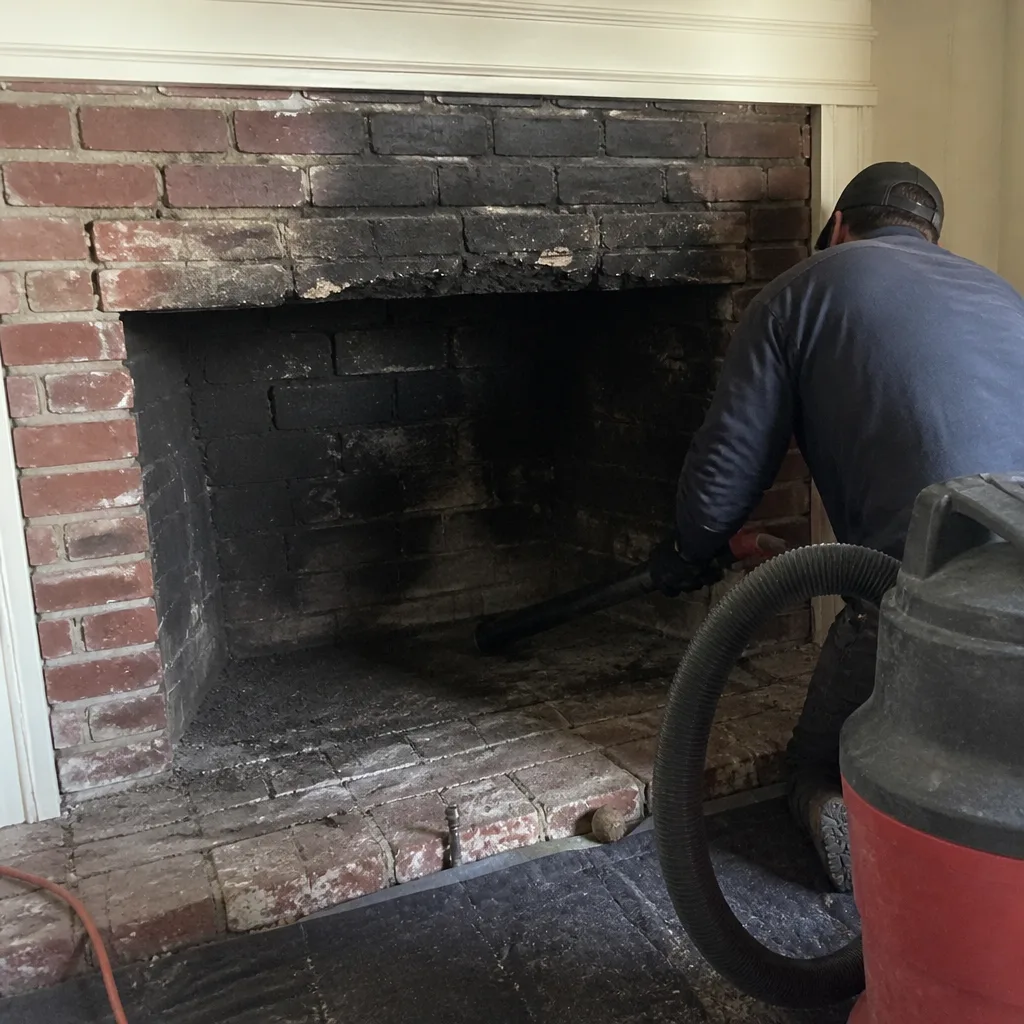 Before
 After
 Before
 After