
Last updated November 15, 2026
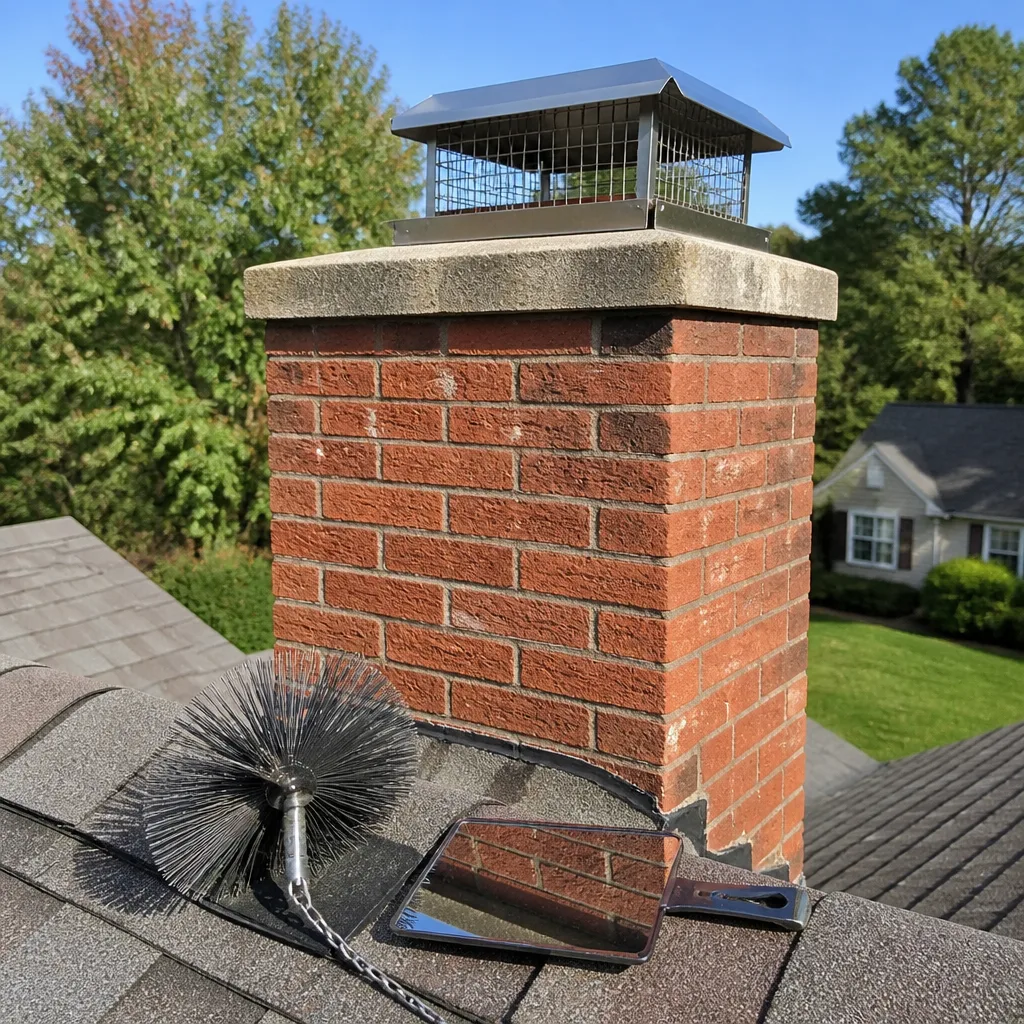 Sweep & inspection
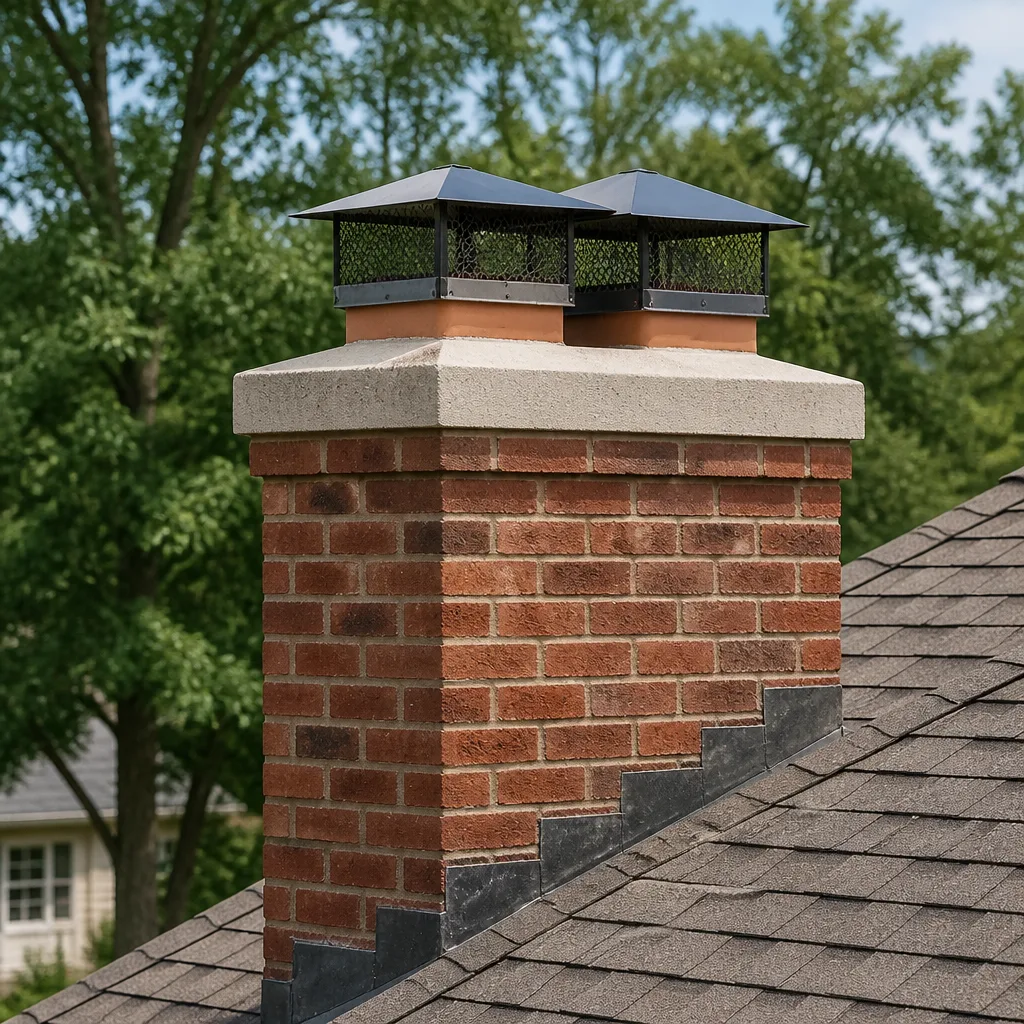 Caps & crowns
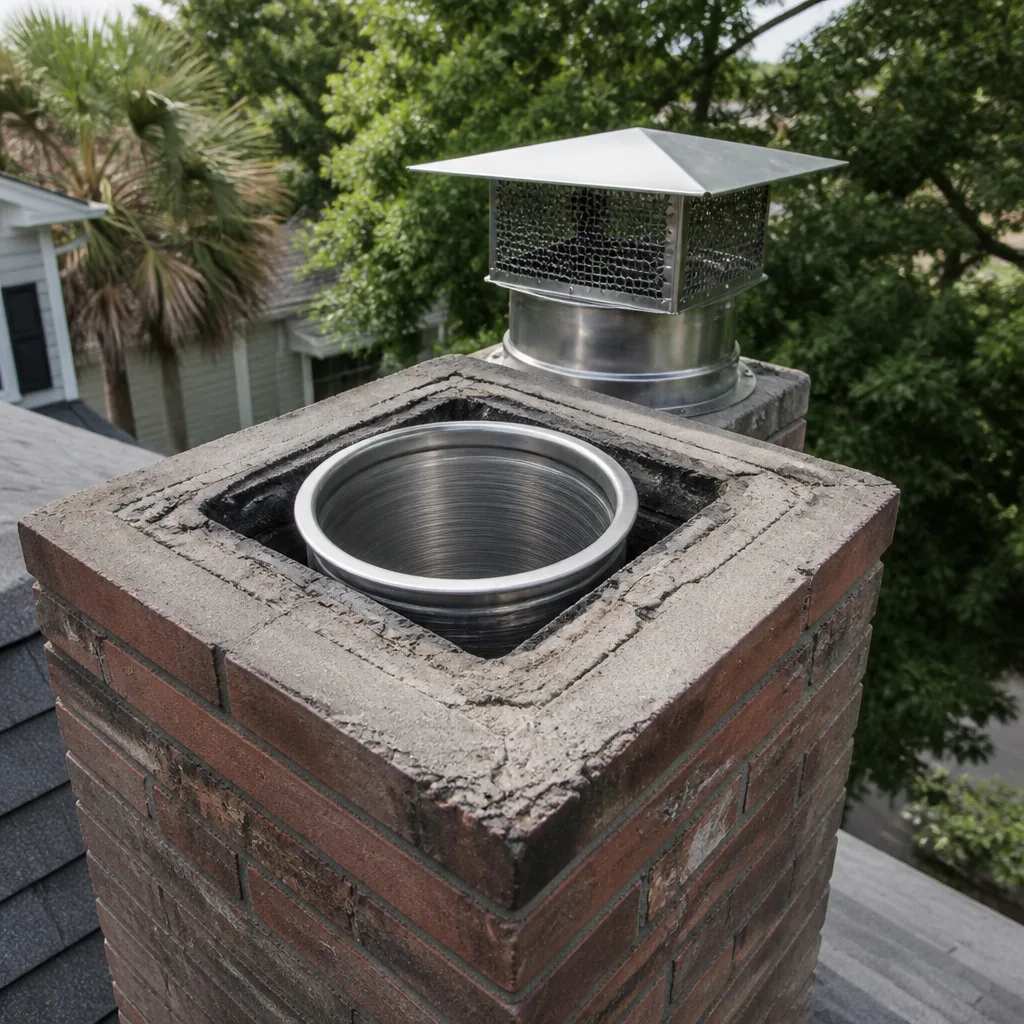 Flue relining
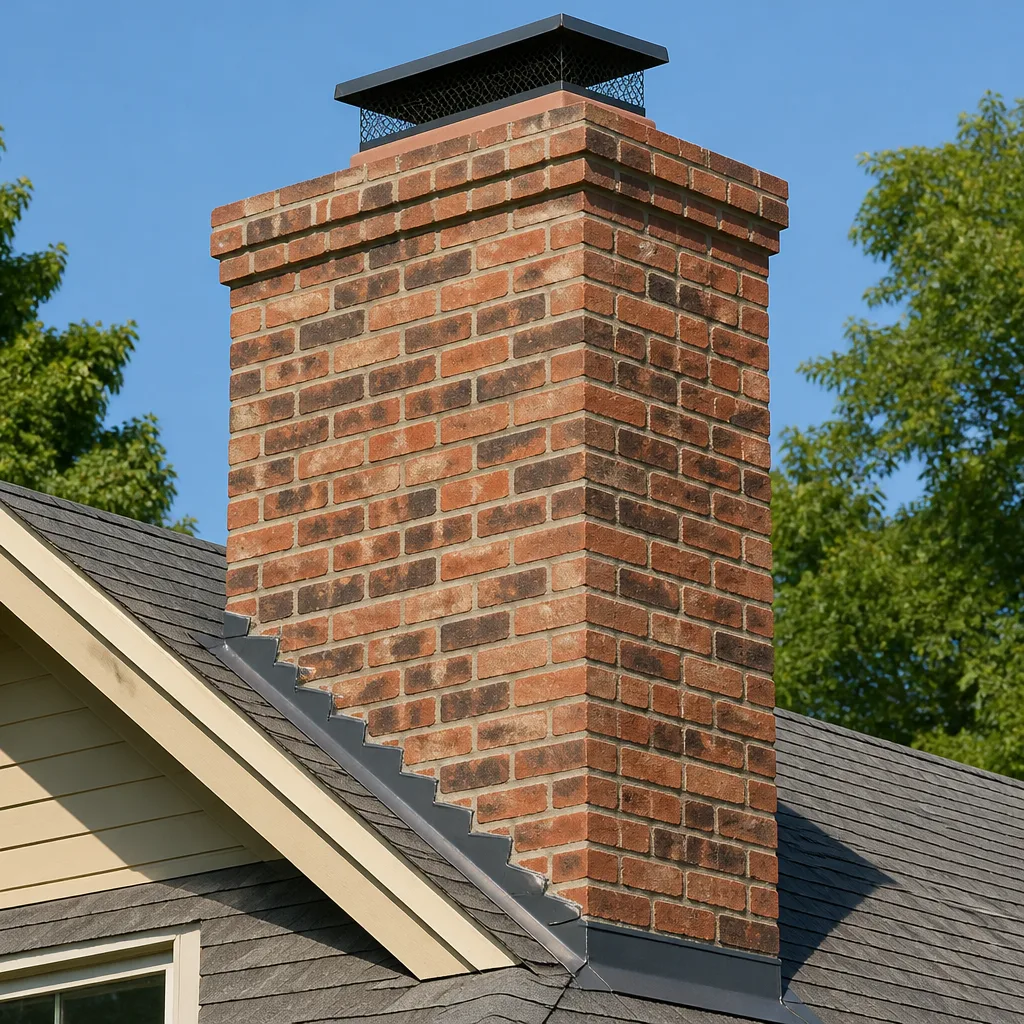 Masonry repair
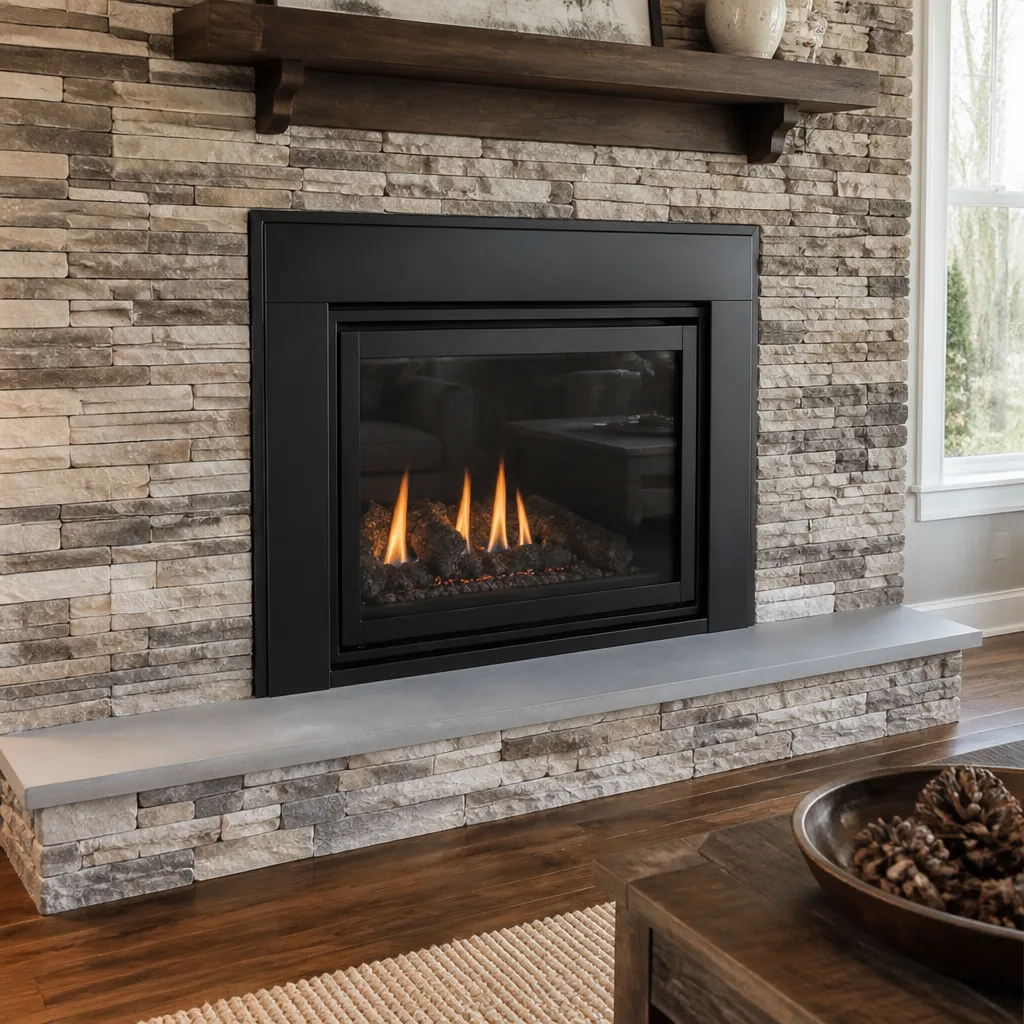 Gas fireplace service
Level 1 sweep and inspection to the NFPA 211 annual standard - flue, crown, cap, and flashing checked and photographed
Chimney sweep logs do not sweep chimneys. They loosen some creosote - which then falls where a brush and vacuum still have to collect it.
Chimney Sweep Maintenance Schedule: What to Do and When
A gas log set used twice a week and a wood-burning insert burned hard through an Oklahoma cold snap both get handed the same advice: “get it inspected annually.” That advice treats two very different appliances as if they age and accumulate the same way. They don’t. What builds up inside a gas fireplace and what builds up inside a wood insert come from different fuels and different combustion, and they degrade on different clocks. This guide lays out a maintenance schedule built around your actual appliance, your actual fuel, and the way Norman winters actually stress a chimney. You’ll learn what to check, when to check it, and how to know when the annual rule isn’t enough.
Quick Answer
There is no single chimney maintenance schedule that fits every home. The baseline most chimney professionals and code officials point to is an annual inspection, with sweeping performed whenever the inspection finds enough creosote, soot, or obstruction to warrant it. In Norman, that usually means a spring inspection after heating season and a September check before the first burn, with a mid-season sweep added if you burn more than a cord of wood or notice heavy buildup.
Styles & brands we work with
- Sweep & inspection
- Caps & crowns
- Flue relining
- Masonry repair
- Gas fireplace service
Table of Contents
- Why “Annual” Is a Floor, Not a Schedule
- Maintenance Intervals by Appliance Type
- How Wood Species and Moisture Change Your Cleaning Interval
- The Two Norman Timing Windows That Matter
- Components Beyond the Flue With Their Own Clocks
- Building a Simple Usage Log
- What an Inspection Actually Looks For
- Common Mistakes to Avoid
- When to Call a Professional
Why “Annual” Is a Floor, Not a Schedule
The annual inspection is a recognized minimum, not a personalized plan. It exists because most homeowners won’t track how much they burn or notice slow changes inside a flue they can’t see. An annual visit catches what you’d otherwise miss. But a homeowner who burns two cords a season in a pre-fab fireplace and one who lights a gas insert on cold evenings have entirely different maintenance needs, and treating them the same leaves one under-served and the other over-scheduled.
Think of it this way: the annual inspection is the appointment, and what happens during that appointment sets the real interval. If a sweep opens your flue and finds a thin, powdery layer of soot, you’re on a light-use schedule. If they find a glazed, tar-like coating on the liner walls, you’re in a different category entirely, and the next visit should come sooner than twelve months.
In our experience, the homeowners who get the most out of a maintenance plan are the ones who can answer a simple question: how much wood did you burn last year, and how dry was it? That single answer reshapes the whole schedule. For anyone in Norman who wants a straight read on their flue before committing to a calendar, a starting chimney sweep is the fastest way to learn where you actually stand.
We take the position that a clean chimney is a fire-safety decision, not a maintenance checkbox. That framing matters because it changes what “maintenance” means. It’s not a reminder on your phone. It’s an inspection you trust, a sweep when the evidence calls for it, and a repair plan that’s based on what the camera sees rather than what someone guesses.
Maintenance Intervals by Appliance Type
Different appliances accumulate different things at different rates. Here’s the practical difference in how we schedule each type.
Masonry wood-burning fireplaces
These are the classic open hearth built from brick and mortar. They accumulate creosote and soot in the flue, and the firebox itself takes heat cycling over years. Annual inspection is the standard. Sweeping typically happens once a year for moderate use, twice for heavy use, or whenever the creosote layer reaches about 1/8 inch. Masonry flues also need their mortar joints and liner checked, because spalling brick and cracked joints introduce pathways for smoke and heat to reach framing.
Prefab wood-burning fireplaces
Factory-built systems with metal flues and insulated chase enclosures have tighter tolerances than masonry. The flue in a prefab system can accumulate creosote faster in a smaller diameter, so a heavy-use household may need sweeping every cord to cord-and-a-half rather than only once a year. The annual inspection still applies, and it should include the chase, the flashing, and the cap.
Gas log sets and gas inserts
Gas doesn’t produce creosote the way wood does, but it produces its own debris: dust, spider webs, and the deposits from incomplete combustion. A gas appliance that burns cleanly needs less frequent sweeping than wood, but it still needs an annual inspection of the burner, the logs, the vent, and the carbon monoxide risk path. A gas unit that shows sooting, a yellow flame, or a smell is telling you it’s running poorly, and that’s a stop-and-check situation rather than a wait-for-next-year situation.
Wood-burning inserts
Inserts are the most demanding appliance to schedule because they run hot and hard. A modern insert is designed for efficiency, which means concentrated heat and, if the wood is wet or the fire runs cool, faster creosote buildup. Households running an insert as a primary heat source should expect a mid-season sweep in addition to the annual inspection. This is the appliance most likely to cross the cord threshold mid-winter.
Pellet stoves
Pellet appliances burn cleaner than cord wood but still produce fly ash that collects in the vent and the exhaust path. The firebox and ash traps need regular emptying and the vent needs clearing, usually more often than once a year for a stove used daily. An annual inspection confirms the vent termination and the appliance’s gaskets.
How Wood Species and Moisture Change Your Cleaning Interval
What you burn changes when you need to sweep. That’s a fact most schedules leave out.
Green or under-seasoned wood is the biggest driver of fast creosote buildup. Wood with high moisture content spends part of its combustion energy boiling off water instead of burning cleanly, so the fire runs cooler and produces more smoke, and more smoke condenses in a cooler flue as creosote. Seasoned wood, split and dried, burns hotter and cleaner and produces noticeably less buildup per cord.
Species matters too. Dense hardwoods such as oak give you more heat per cord and, when properly seasoned, a steadier, cleaner burn. Softer woods burn faster and cooler and can leave more residue per cord burned. Neither is a problem on its own; what changes your schedule is the combination of moisture and burn rate.
The practical rule we give homeowners:
- Seasoned wood, moderate use: one sweep a year, plus the annual inspection.
- Seasoned wood, heavy use (insert run near-daily): plan on a mid-season check.
- Green or wet wood: expect faster buildup and move the next sweep up, regardless of your usual interval.
- Mixed sourcing (some dry, some questionable): inspect earlier than you would with a single known-dry supply.
If you’re unsure how dry your wood is, buy or borrow a moisture meter and check a freshly split face rather than the outside of a log. The split face tells you what’s really inside.
The Two Norman Timing Windows That Matter
Norman’s climate gives you two useful windows in the year, and they look for different things.
Spring: the post-heating-season inspection
This is the visit after the burning season ends. Spring inspection catches the damage winter left behind: creosote that built up through the cold months, cracked mortar, a cap that lost fasteners in a storm, flashing that lifted, and any animal activity in the flue. The advantage of doing this in spring is that you find problems with months to spare before the next season, and you’re not competing with the fall rush. Repairs can be done on a reasonable schedule rather than under time pressure. We come out for lots of Norman spring inspections because it’s the calmest window of the year, and the Norman housing stock includes plenty of older masonry chimneys that benefit from a careful look.
September: the pre-season check
The September check is a different job. It’s about readiness: is the flue clear after summer, is the damper operating freely, is the cap still in place, are the firebox panels intact, and did anything take up residence in the chimney during the warm months. Birds, squirrels, and insects use unused chimneys all summer, and a nest discovered in September is far better news than one discovered after your first fire.
If you only do one visit a year, September is the one that protects your first burn. If you can do two, spring is where you’ll spend less, because problems found early are usually cheaper to fix.
Components Beyond the Flue With Their Own Clocks
The flue gets all the attention, but the parts around it wear out on their own schedule. A maintenance plan that only thinks about creosote misses half the system.
Chimney cap
A cap keeps rain, animals, and sparks out. Caps work loose, rust, or lose fasteners over time, and a missing or damaged cap is a common cause of water intrusion and animal nesting. Check it as part of each seasonal inspection. If it’s time to replace, trade-grade components such as a Gelco cap hold up better than thin hardware-store covers.
Crown
The crown is the concrete or masonry surface at the top that sheds water away from the chimney. Hairline cracks are normal wear. Cracks that widen, or a crown that’s pulling away from the flue, let water in, and water is the slow killer of masonry chimneys. Crowns also get checked during a proper inspection.
Flashing
The flashing is the metal that seals the chimney where it meets the roof. Failed flashing causes leaks that show up as stains on ceilings far from the chimney. It’s often mistaken for a roofing problem. Have it checked at the same time as the cap.
Firebox and refractory panels
The firebox takes direct heat, and its refractory panels can crack with thermal cycling. Minor cracks are common. Cracks wide enough to admit a coin, missing chunks, or gaps at the seams mean the firebox needs attention before the next fire. The firebox is the component homeowners tend to forget, and it’s the one that most directly affects safe operation.
Damper
Dampers seize with rust and debris. A damper that won’t fully close is an energy leak, and a damper that won’t fully open is a smoke problem. Exercise it a few times before each season and note any sticking.
Flue liner
The liner is the flue’s inner skin and the component most expensive to ignore. Clay tile liners crack with heat cycling, and a cracked or spalled liner is a fire path. If the liner is deteriorating but the surrounding masonry is structurally sound, our team uses HeatShield ceramic resurfacing to restore it without full replacement. When the flue is irregular or the liner is beyond restoration, a DuraFlex flexible liner gives us a workable path in flues that rigid systems can’t handle.
Building a Simple Usage Log
The single most useful thing a homeowner can do for their chimney maintenance schedule is to keep a usage log. It doesn’t need to be fancy. A notepad on the mantle or a note on your phone does the job. What it tracks is simple:
- Each time you burn, note the date and roughly how long the fire ran. A tally of burns tells you your real usage, not your remembered usage.
- Note the approximate amount of wood consumed. “Half a face cord this month” is enough. Over the season you’ll see when you’ve crossed a cord.
- Note the wood’s source and whether it was seasoned. This tells your sweep whether your buildup rate has a moisture cause.
- Note anything unusual. Smoke rolling back into the room, a smell, a strange noise, a slow-starting fire. These are the symptoms a sweep needs to know about.
- Note the service dates. Date of the last sweep, date of the last inspection, and who did the work. This log is your maintenance record if you ever sell the house or file an insurance claim.
The cord threshold is the key number. Most households burning under a cord a year with dry wood and a well-maintained appliance can stay on the annual schedule. Cross a cord and a half to two cords with an insert or a heavily used fireplace, and you’re into the territory where a mid-season sweep is worth booking. A gas appliance operating normally rarely crosses the threshold the same way, but its annual inspection still applies.
If you’re not sure how to read your log, that’s exactly what a professional inspection is for. The record gives the sweep something concrete to work from, and the inspection gives you a documented assessment you can use for insurance, a real estate transaction, or your own maintenance records.
What an Inspection Actually Looks For
An inspection is a documented review of the whole system, not a quick glance up the flue. A proper inspection looks at:
- The firebox and refractory panels. Cracks, missing material, and gaps at seams.
- The damper. Full range of movement and free operation.
- The smoke chamber. The transition between firebox and flue, and its condition.
- The flue and liner. Creosote accumulation, cracks, spalling, obstructions, and the condition of the joints.
- The cap and crown. Seating, fasteners, cracking, and water shedding.
- The flashing and chimney exterior. Leaks, mortar condition, and the roof joint.
- The appliance connection. For inserts and prefab systems, the connection between appliance and flue.
The output of that inspection is a written assessment with photos that you can read yourself. We don’t recommend work without evidence you can look at. If your flue can be restored instead of replaced, we’ll tell you that, and if the honest answer is that the repair can wait, we’ll tell you that too.
For homeowners who need a documented report for a sale or an insurance claim, an inspection that produces photos and a written summary is the deliverable that matters. A general visual sweep without documentation is not the same thing. If you’re being quoted repair work without photos, ask for them. It’s a reasonable expectation, and any reputable team will provide them.
When inspection finds structural issues that go past cleaning, that’s where a chimney repair plan takes over. We work with a defined roster of professional-tier brands so you know exactly what’s going into your chimney: HeatShield for liner resurfacing, DuraFlex for flexible relining, Gelco caps, and components from Olympia Chimney, Famco, and Copperfield. Our technicians have up to experience with these materials.
Common Mistakes to Avoid
- Treating “annual” as a guaranteed-clean pass. The annual inspection is the visit, not the outcome. If the inspection finds heavy creosote, a sweep happens regardless of when the last one was booked.
- Skipping the spring inspection because it’s not cold out. Spring is when chimney problems are cheapest to fix, because you have months to schedule the work. In Norman, missing the spring window means discovering cracks in September when everyone else is also calling.
- Burning wet wood to save money. Green wood is a false economy. It produces more creosote, more smoke, and less heat, and it moves your next sweep up.
- Only looking at the flue. The cap, crown, flashing, firebox, and damper all have their own maintenance clocks. A maintenance plan that ignores them leaves the system vulnerable.
- Scheduling only after a symptom appears. Smoke rolling into the room, a smell, or a slow-starting fire is a sign the problem has already been developing. An annual inspection catches these early.
- Accepting a repair quote without photos. You should be able to see what the technician sees. A camera inspection and photo report should be part of any assessment.
- Assuming a gas fireplace is maintenance-free. Gas appliances still need annual inspection for the burner, vent, and carbon monoxide risk path.
When to Call a Professional
Call a professional when you don’t know the last time the chimney was inspected, when you’ve crossed a cord of wood since the last sweep, when you see a symptom that concerns you, or when you’re preparing to sell or insure a home. Call when the damper sticks, the firebox has a crack you can see, the cap is missing, or the fire runs poorly. Call before the first burn in September if you haven’t inspected since last season.
Some work is genuinely dangerous to attempt yourself. High-tension components, electrical connections, and gas lines should be handled by a trained professional. A flue that’s been in service for years and has never been inspected is exactly the category where an expert look saves you from a larger repair.
Chimney Sweep Norman offers free estimates in Norman. Call (888) 561-3468. We answer 24/7. Fast dispatch from 7am to 7pm, Sunday through Friday.
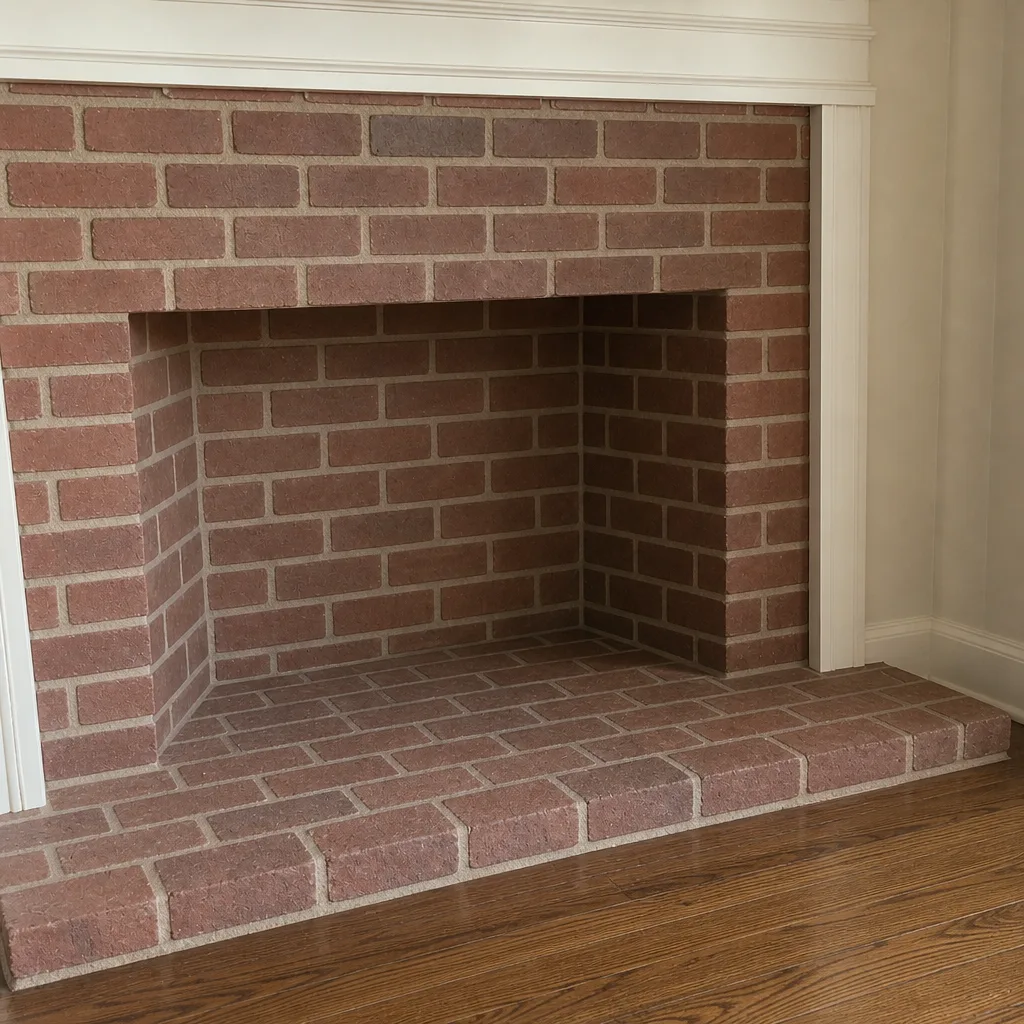
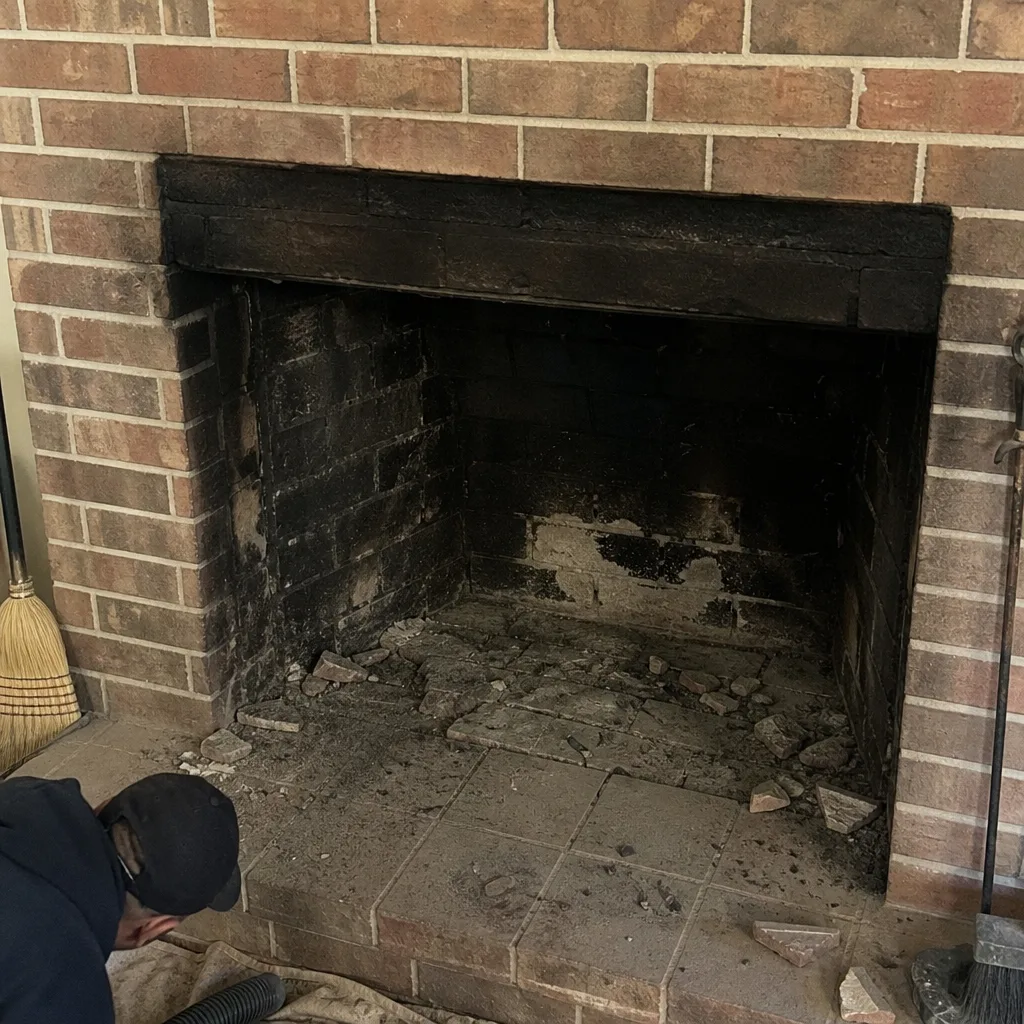
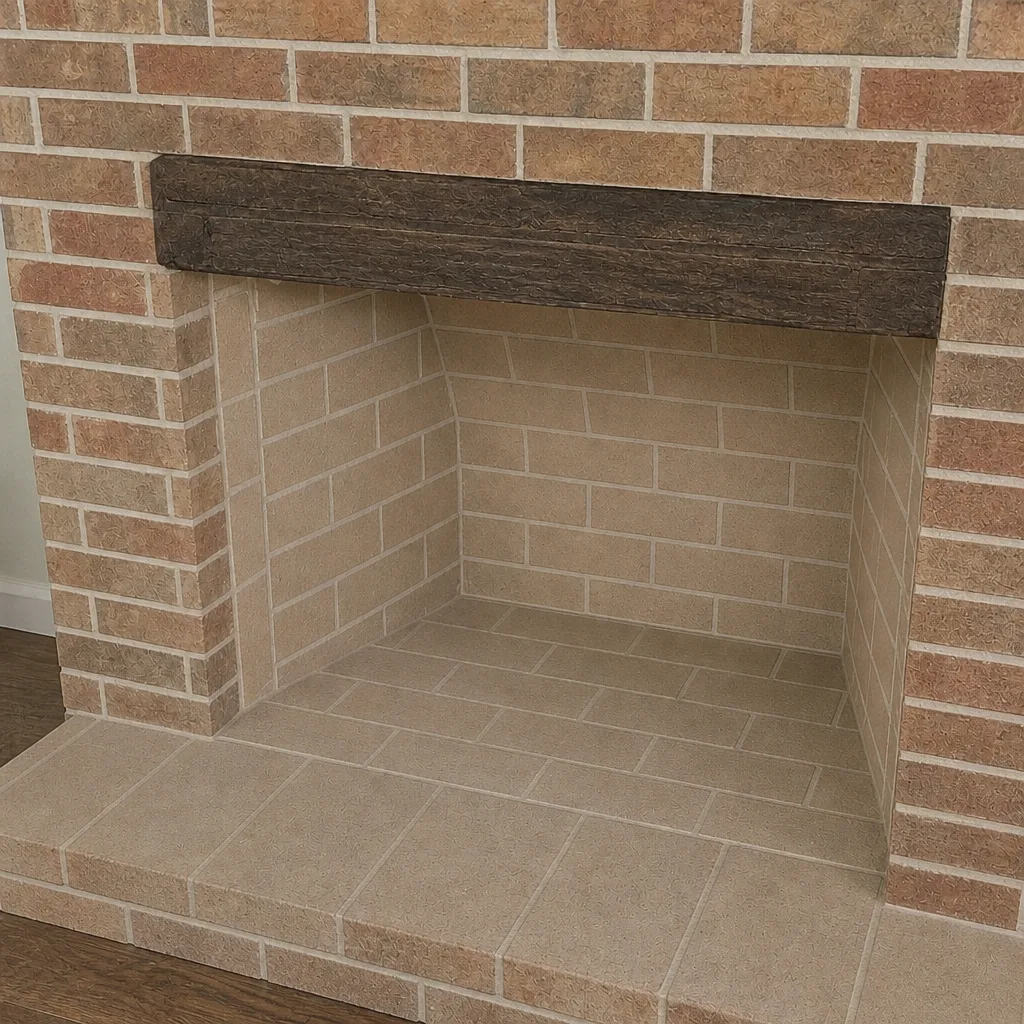
See the difference
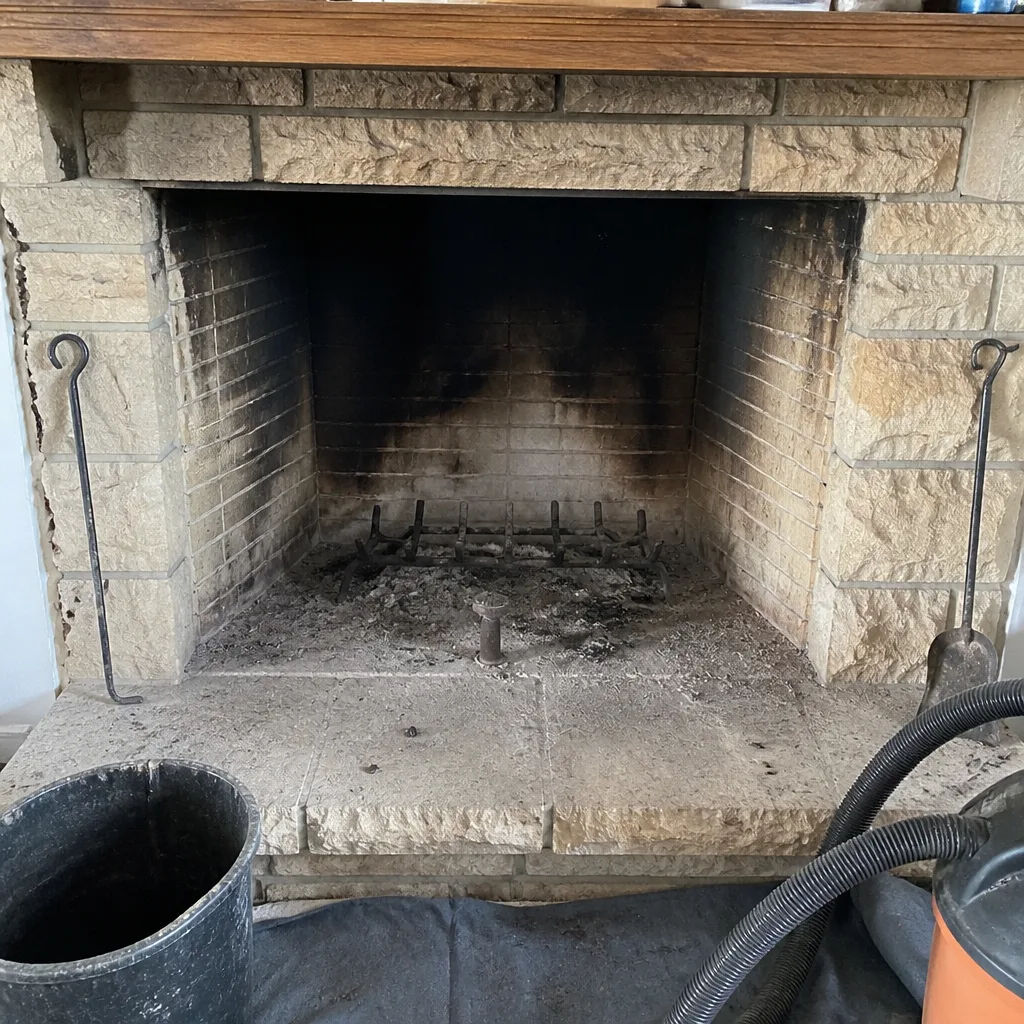 Before
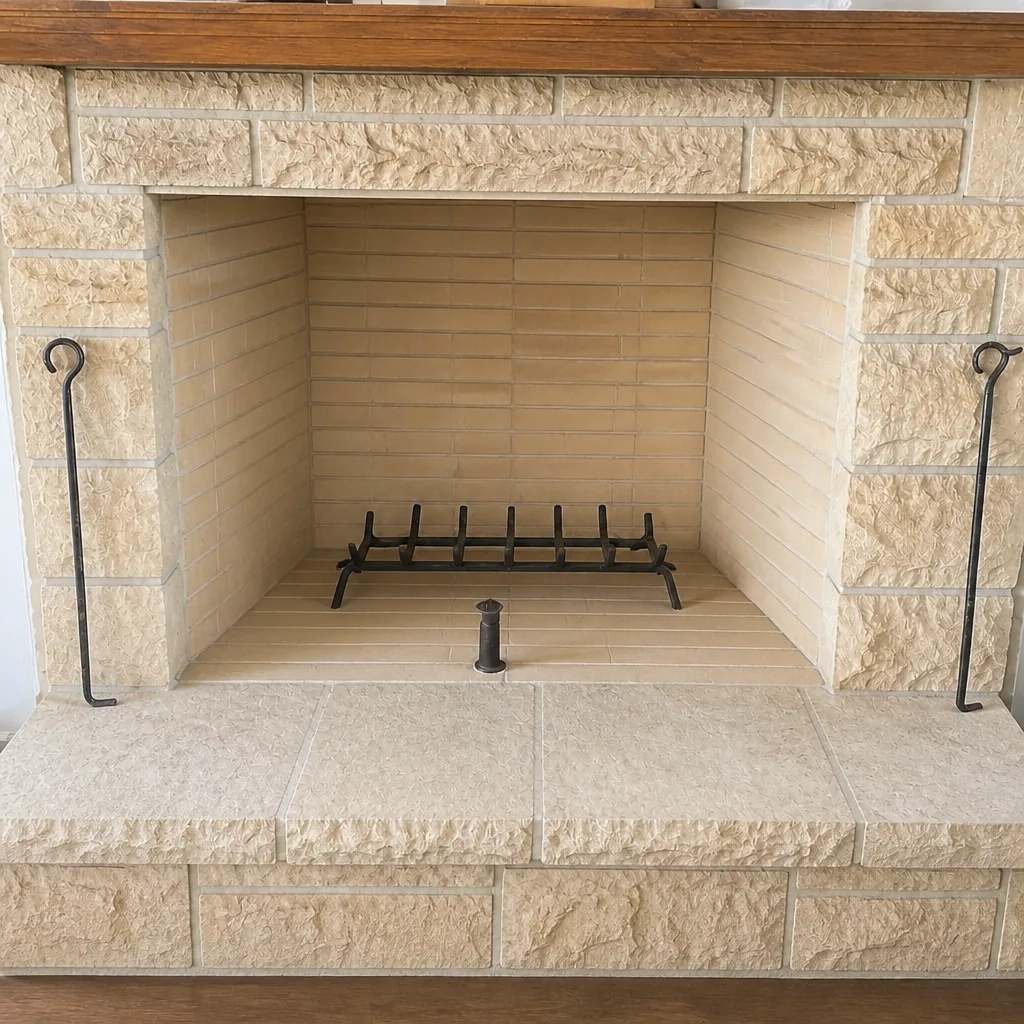 After
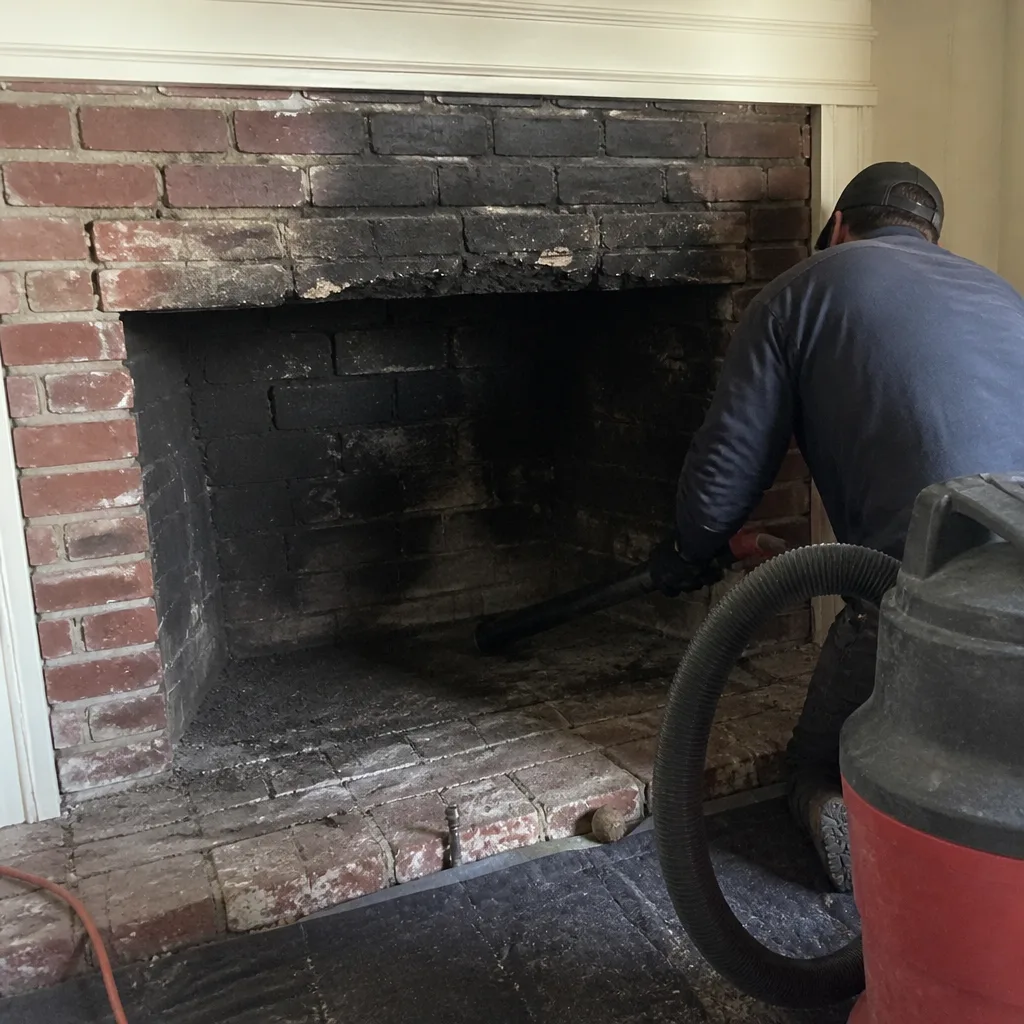 Before
 After
 Before
 After
Frequently Asked Questions
Most Norman homes need a sweep once a year, with a mid-season sweep added if you burn more than a cord and a half of wood or notice heavy creosote buildup. Gas appliances operating cleanly generally need less frequent sweeping but still need an annual inspection. The right interval depends on your appliance, your fuel, and your usage log, not on a fixed number of months.
Sweeping prices vary with the appliance type, the flue configuration, and what the inspection finds. We set every price per job with a written estimate, and the estimate is free. Call (888) 561-3468 for an exact quote. Estimates are free, and you’ll know the price before anything is booked.
No. The inspection tells you the flue’s condition and whether sweeping is needed. If it’s needed, the sweep happens at that visit. It’s a fact that a clean-burning, well-maintained appliance may pass inspection with a thin layer of soot and no sweep needed. If the camera shows more, we’ll tell you.
We don’t recommend burning without an inspection. Creosote that’s accumulated over two or three seasons can reach a stage where it’s harder to remove and where heat from the next fire is riskier. A gas appliance that hasn’t been inspected in a few years is also a carbon monoxide concern. Call us before the next fire, not after.
That depends on what the inspection finds, and we won’t recommend replacement without camera evidence you can see. If the liner is cracked or spalled but the surrounding masonry is sound, HeatShield ceramic resurfacing can restore it without full replacement, which is often the more cost-conscious path. When the flue is irregular or beyond resurfacing, a DuraFlex flexible liner may be the right answer. Call (888) 561-3468 and we’ll walk you through the findings and the options.
Sweeping removes creosote, soot, and obstructions. Inspection is a documented assessment of the whole system, and it produces a written report. Repair addresses structural issues once they’re identified. They’re related but distinct, and any one of them can be the right starting point depending on your situation. For more background on what each involves, see Chimney Sweep Norman for the full service picture.
The Bottom Line
The annual inspection is a good baseline, but it’s a floor, not a full maintenance schedule. The real schedule depends on your appliance type, your fuel, and how much you burn. Use the two Norman windows (spring for catching damage, September for readiness) as your anchor points, keep a simple usage log, and let the inspection findings set the actual sweeping interval. Sweep, repair, and inspection handled by the same team means one standard of work and one documented record.
If you’re unsure where you stand, start with an inspection and a conversation. Call Chimney Sweep Norman at (888) 561-3468 for a free estimate. We answer 24/7. Fast dispatch from 7am to 7pm, Sunday through Friday.
Written by the team at Chimney Sweep Norman.