
Last updated November 15, 2026
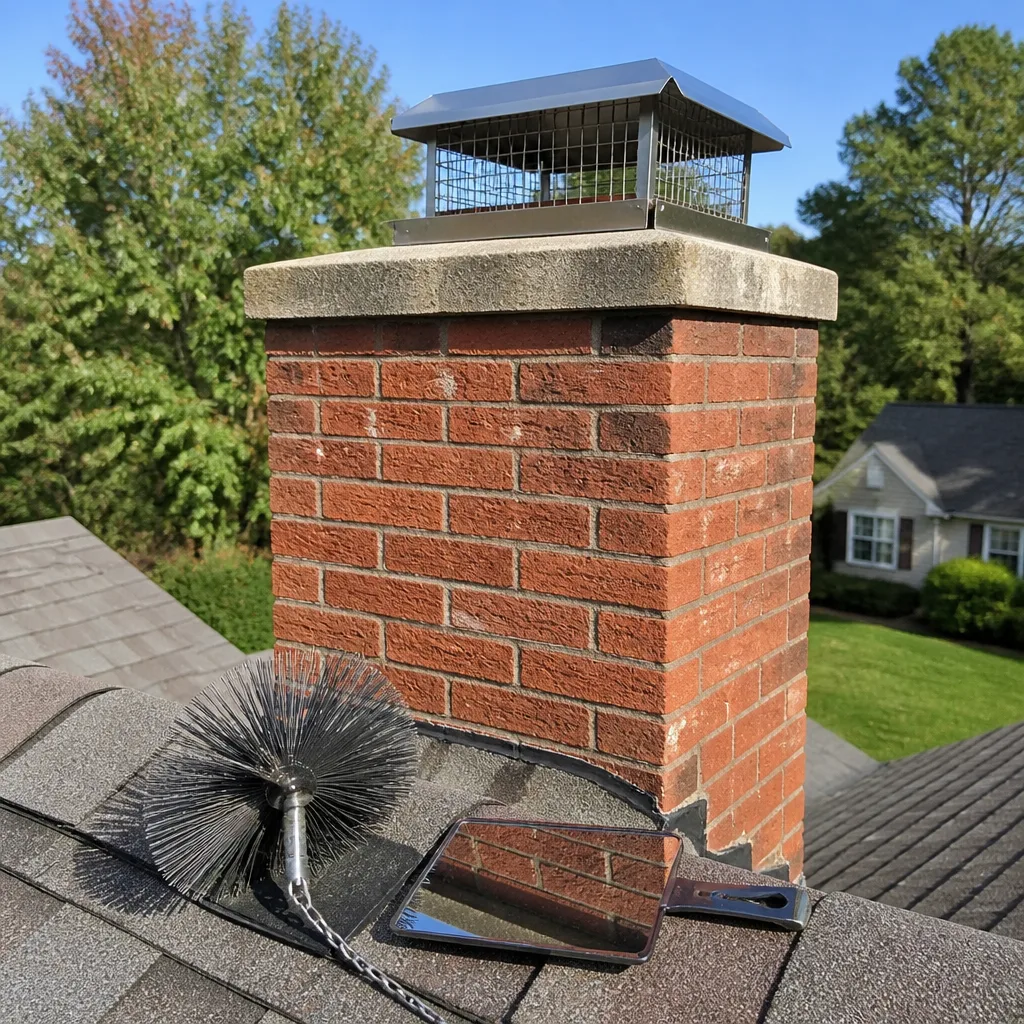 Sweep & inspection
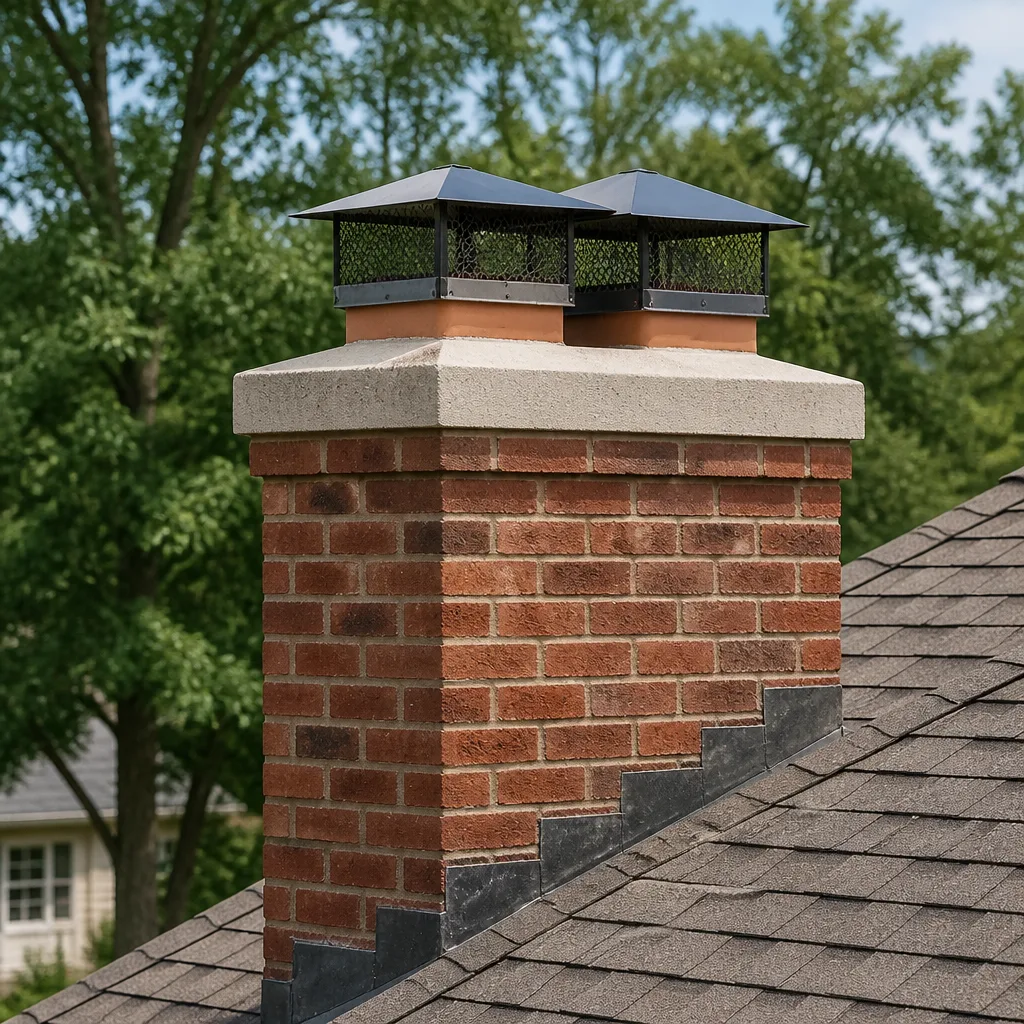 Caps & crowns
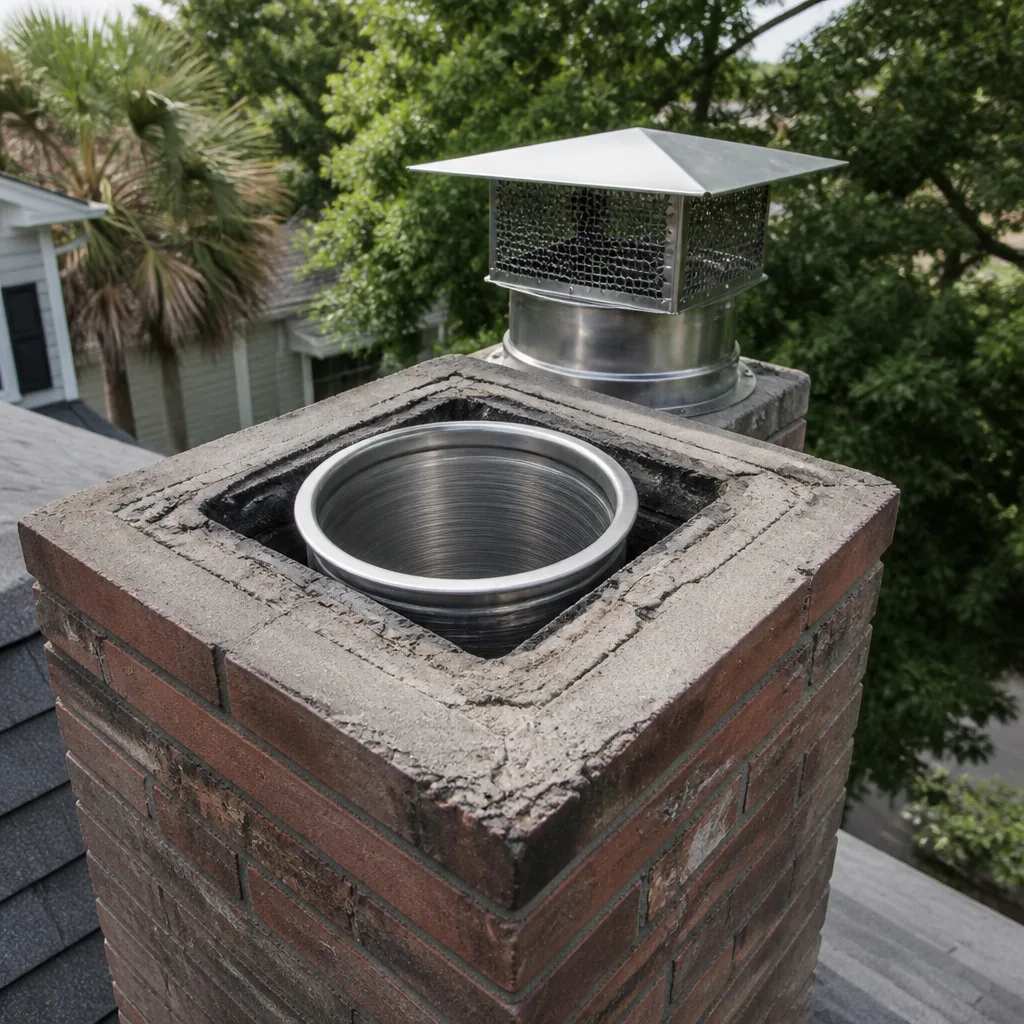 Flue relining
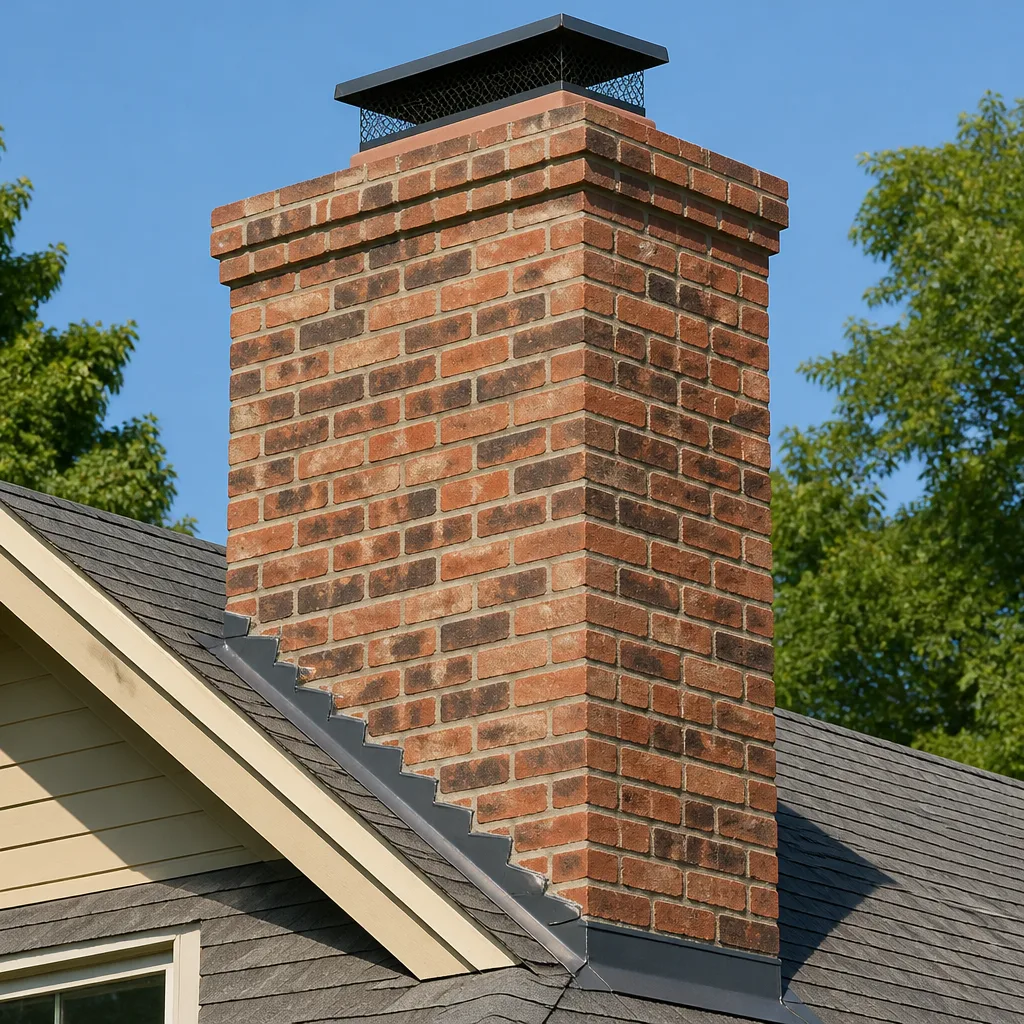 Masonry repair
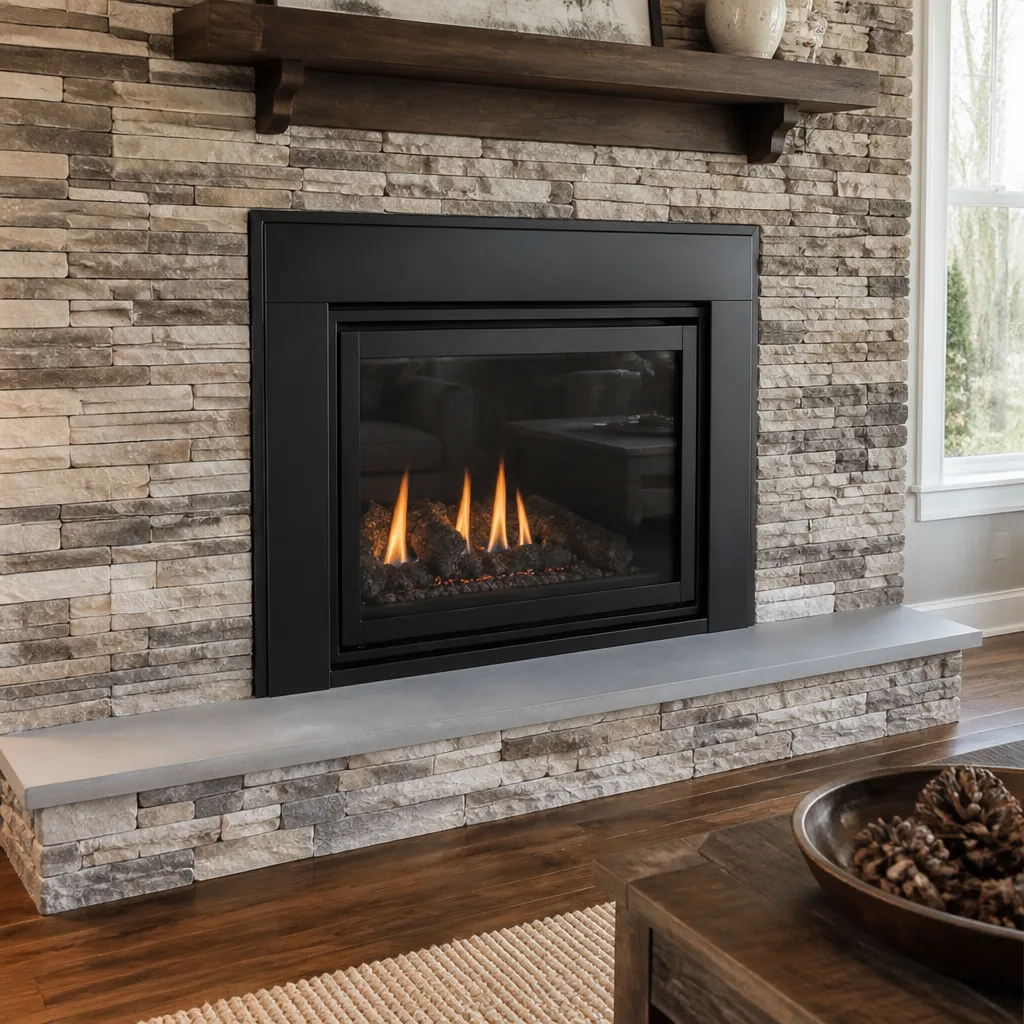 Gas fireplace service
Level 1 sweep and inspection to the NFPA 211 annual standard - flue, crown, cap, and flashing checked and photographed
Chimney sweep logs do not sweep chimneys. They loosen some creosote - which then falls where a brush and vacuum still have to collect it.
Choosing the Right Chimney Cleaning Brand: A Buyer’s Guide for Norman
When a contractor replaces your chimney liner, you are almost certainly not asked what brand goes in. You should be. The liner that stays in your flue for the next 20 years has a UL listing number, a wall thickness specification, and a warranty that varies widely depending on who manufactured it. Most homeowners never see any of that. They get a handshake, a lump sum, and a generic promise about “quality materials.” This guide is written to change that. We’ll show you how to read a chimney product the way a contractor should: by specification, not by name recognition. You’ll learn what a UL listing actually covers, how DuraFlex and HeatShield fit into real repairs, and the exact questions to ask before anyone touches your chimney in Norman.
Quick Answer
The right chimney cleaning brand is the one whose products carry a verifiable UL listing, documented material specifications, and a warranty you can read before work begins. For Norman homeowners, that means asking for the specific brand and product name (DuraFlex, HeatShield, Famco, Copperfield), checking the UL or ASTM listing independently, and confirming the material grade matches what your flue actually needs. A company that names its products upfront and hands you the documentation is the company you want.
Styles & brands we work with
- Sweep & inspection
- Caps & crowns
- Flue relining
- Masonry repair
- Gas fireplace service
Table of Contents
- Why Chimney Product Brands Matter More Than Most Homeowners Realize
- What a UL Listing Actually Means for Chimney Liners and Sealants
- DuraFlex vs. Commodity Flexible Liners: Alloy Grade and Wall Thickness
- HeatShield Ceramic Resurfacing: What It Fixes and What It Can’t
- Chimney Caps: Why Material Grade Matters in Norman
- How to Ask a Contractor for Product Documentation
- Sweep and Cleaning Products: What a Professional Actually Uses
- What a Specification-Grade Chimney Company Looks Like in Practice
Why Chimney Product Brands Matter More Than Most Homeowners Realize
Chimney work is one of the few trades where the installed product is almost entirely invisible once the job is finished. You can’t see the inside of a liner, you can’t test a sealant, and you can’t tell from the ground whether the cap on your flue is 16-ounce copper or thin galvanized sheet metal. That invisibility is exactly why material quality matters so much. The product is the job. If the wrong product goes in, you find out years later, usually when something fails.
In Norman, the stakes are specific. Summers push attic and flue temperatures high, winters swing cold enough for hard freezes, and spring brings hail that lands on whatever is on your roof. That combination is hard on chimney components. A liner rated for steady temperatures but not cycling can develop stress cracks. A cap made from light-gauge metal can dent, then rust, then let water into the flue. These aren’t hypothetical failures. They’re the kind of thing we see when a chimney is assessed in the area.
The honest problem is that “quality parts” means nothing. Every contractor says it. What separates a trade-grade installation from a hardware-store one is documentation: a brand name, a product name, a UL listing number, and a warranty you can read. That’s the standard we hold ourselves to at Chimney Sweep Norman, and it’s the standard you should hold any chimney company to before you sign.
A clean chimney is a fire-safety decision, not a maintenance checkbox. And the products you allow inside it are the safety decision underneath that. This guide walks through each product category so you can evaluate a recommendation instead of taking it on faith.
What a UL Listing Actually Means for Chimney Liners and Sealants
UL stands for Underwriters Laboratories, and a UL listing means a specific product has been tested against a defined safety standard and found to meet it. For chimney liners, that testing covers things like temperature resistance, corrosion resistance, structural integrity under heat, and the product’s ability to contain flue gases. For sealants and resurfacing products, it covers adhesion, thermal stability, and performance under the conditions a flue actually sees.
Here’s the part most homeowners miss: the listing number is tied to a specific product, not a brand category. A manufacturer can have one listed product and another unlisted one. The number is your proof. If the product going up your flue doesn’t have a listing you can find, you don’t actually know what it will do under heat and time.
How to look up a UL listing before authorizing an installation
- Ask the contractor for the brand, the product name, and the UL or ASTM specification in writing.
- Go to the UL Product iQ database (UL’s public product lookup) or the manufacturer’s own site.
- Search the listing number or the exact product name.
- Confirm the listing covers the application you’re getting (liner, cap, sealant, etc.).
- Ask for a copy of the warranty document. Read the term and what voids it.
That’s it. Five steps. A legitimate contractor will walk you through it without hesitation. If someone pushes back on a documentation request, that’s your signal to slow down.
Why does this matter for insurance? Because most insurers look at chimney repairs the way they look at any other system replacement. A documented, listed installation is easier to defend if a claim ever comes up. An unlisted liner sitting in a flue with nothing but a verbal promise behind it is not. We can’t tell you how your specific insurer will evaluate a claim, but a documented installation is the safer position every time.
DuraFlex vs. Commodity Flexible Liners: Alloy Grade and Wall Thickness
Flexible stainless liners look similar in a catalog photo. They are not the same product. The two things that separate a professional-grade flexible liner from a commodity one are the alloy grade (the stainless steel composition) and the wall thickness. And both of those matter directly in Oklahoma’s temperature cycling environment.
Alloy grade: 316L vs. 304
Stainless steel liners are commonly made from either 304 or 316L alloy. The numbers refer to the stainless steel’s composition. 316L includes molybdenum, which makes it more resistant to corrosion, particularly in the presence of chlorides and acidic condensate from certain fuels. 304 is a good base-grade stainless, but it doesn’t carry that additional corrosion resistance. In a wood-burning flue with regular creosote and moisture cycling, 316L is generally the stronger long-term choice. Both may be UL listed – the listing verifies performance, but it does not automatically mean the alloy grade is the best available for your application.
This is exactly the kind of detail we walk homeowners through. We work with DuraFlex liner systems, which are professional-tier flexible liners, because they’re engineered for the temperature cycling and corrosion exposure that actual flues see. We don’t use the cheapest listed alternative on the shelf and explain the difference after the fact. We tell you what’s going into the chimney and why.
Wall thickness
Flexible liners are commonly offered in different wall thicknesses (.005″ and .006″ are common specifications, and some products run thicker). A thicker wall gives you more material to resist bending fatigue as the liner expands and contracts with heat cycling over years. In a climate that swings from summer heat to hard winter freeze, that fatigue matters. A thin liner may work on day one, but the long-term resilience is a different story.
Ask your contractor for the alloy grade and the wall thickness specification in writing. If the answer is “it’s the good stuff” or “it’s stainless,” push back. Those aren’t specifications.
Complex flue configurations
Here’s a less obvious benefit: flexible liner systems also handle non-standard flue configurations that rigid liners simply can’t. Offsets, oval flues, older masonry with irregular profiles – a flexible liner can follow the flue where a rigid liner stops. That’s part of why we carry them. DuraFlex systems let us work in older Norman homes where the flue isn’t the textbook straight run.
HeatShield Ceramic Resurfacing: What It Fixes and What It Can’t
HeatShield is a ceramic-based resurfacing system used to restore deteriorating flue liners without full liner replacement. It’s applied to the interior of the existing flue to rebuild the surface, seal cracks, and restore structural continuity. It’s a repair path that general handymen typically can’t offer, because it requires trained application, the right product, and a correct assessment of the flue’s condition before the product goes on.
What makes HeatShield worth knowing about is that it can save you from a full relining when the underlying masonry is still sound. If your flue has minor spalling, joint gaps, or surface deterioration but the structure is holding, HeatShield can be an appropriate repair. If the flue is heavily damaged, has large sections missing, or has structural failure behind the liner surface, HeatShield is not the right answer. A full relining is.
Damage profiles where HeatShield is appropriate
- Minor surface spalling on the flue interior.
- Deterioration of the original clay liner joints.
- Cracks that are shallow and haven’t compromised the liner’s structure.
- Surface deterioration where the underlying masonry is still intact.
Damage profiles where HeatShield is not appropriate
- Large chunks of liner missing or displaced.
- Structural failure behind the clay liner.
- Widespread spalling that has eaten into the masonry itself.
- Flues with gaps between the clay tiles that suggest ongoing movement.
The point of this section isn’t to tell you which one your chimney needs. It’s to give you enough context to evaluate the recommendation when you get one. If a contractor recommends HeatShield, ask what damage profile they observed and whether they can show you. If they recommend full relining, ask the same. If your flue can be restored instead of replaced, we’ll tell you that – because a restored flue that lasts is the right outcome, and a replaced flue that didn’t need replacing isn’t.
Whichever path you go, a proper chimney repair starts with a written assessment you can review, not a verbal recommendation from someone standing on your roof.
Chimney Caps: Why Material Grade Matters in Norman
The chimney cap is the one component on your chimney most exposed to weather and most ignored during a chimney assessment. It’s doing two jobs: keeping rain, snow, and animals out of the flue, and providing a spark arrestor screen at the top. A cheap cap fails fast in Norman’s conditions and, when it does, water gets in. Water in a flue causes deterioration, and deterioration turns into repair bills.
UV exposure in Norman is intense. Hail exposure is real. And year-round, the cap takes the brunt of both. The difference between 16-ounce copper and galvanized sheet metal is not cosmetic. It’s the difference between a cap that holds up to a decade of sun and storms and one that rusts from the inside out, dents under a hail hit, and starts leaking at the seams.
What a specification-grade cap installation includes
- Cap material identified by grade (16-oz copper, 20-oz copper, or stainless as appropriate).
- Correct sizing to the flue – not a universal-fit cap over a masonry flue that leaks anyway.
- Spark arrestor screen properly fitted, not stapled on.
- Secure anchoring that won’t pull out under wind loading.
- Documentation of the product brand and model.
We work with Famco caps and related components because they’re made to trade-grade specifications. We mention the brand on purpose. You should be able to research anything going on your house.
Next time you have a chimney sweep assessment, look at the cap. If it’s dented, rusting, or missing a screen, ask what brand and material grade a replacement would be. The answer will tell you a lot about how the company operates.
How to Ask a Contractor for Product Documentation
Here’s the exact conversation. It works with any chimney company in Norman, and it works in about 90 seconds.
- Ask for the brand. “What brand of liner/cap/sealant are you proposing?” Not “what quality.” Brand.
- Ask for the product name. Brands have multiple product lines. You want the specific one.
- Ask for the UL or ASTM specification. This is the number you can look up.
- Ask for the warranty document. In writing, before the work starts.
- Ask to see the product before installation. It comes in packaging with a label. Ask to see it.
- Ask what happens if the product fails a spec check. The answer should be that the job stops and gets re-specified.
Legitimate contractors answer all six without hesitation. If any of these gets a “well, it’s industry standard” or a “we use the best stuff,” that’s your answer: they don’t have documentation they can hand you.
That refusal isn’t always malicious. Some crews genuinely use commodity materials and haven’t had a customer ask. But the point stands: if the answer isn’t specific, the product probably isn’t either.
What good documentation looks like
You should be able to walk away from the quote with the brand name, product line, UL or ASTM listing number, warranty document, and a written estimate that ties the price to that specific product. If the paperwork says “install liner” and nothing else, it’s not documentation.
We disclose the brand roster at Chimney Sweep Norman – DuraFlex, HeatShield, Gelco, Olympia Chimney, Famco, and Copperfield – because the products going into your home are your business. That’s the transparency standard, and it shouldn’t be unusual.
Sweep and Cleaning Products: What a Professional Actually Uses
“Chimney cleaning products” covers more than just the chemical on the shelf. A sweep is a process, and the products used in that process matter for how well the creosote comes off and whether the chimney is protected while the work is happening. It also matters for safety. Creosote is the main fire-safety concern in any wood-burning chimney, and a sweep that removes it correctly reduces the ignition risk more effectively than one that skims the surface.
What a professional sweep involves
- Proper drop cloths and containment so no soot enters the living space.
- Rotary brushing equipment matched to the flue’s shape and material.
- Specific attention to the smoke chamber and damper area, where creosote accumulates.
- Removal of creosote from the firebox, smoke shelf, and flue interior.
- A camera inspection of the flue after the sweep, with the results shared before any recommendation.
- A written report of what was found and what (if anything) needs attention.
The inspection is the part that turns a sweep into a real safety evaluation. A sweep that removes creosote and gives you nothing in writing has done half the job. A sweep that removes creosote, then documents the flue’s condition with photos you can see, has done the whole thing.
Why “cheap sweep” offers are a red flag
A discounted sweep, in our experience, is a sweep with a compressed process. That usually means less containment, less attention to the smoke chamber, and no inspection afterward. The service you get is the service the price allows. A proper sweep on a wood-burning chimney takes real time and real equipment.
We treat the sweep as a fire-safety call. It’s the moment when you find out whether your flue is intact, your damper works, and your cap is doing its job. That’s worth more than the price difference on a discount offer.
If you’re in a Norman home that hasn’t had a sweep checked recently, that’s the right first move. Get the chimney assessed in Norman before assuming you need major work. Sometimes the answer is just a sweep and a clear inspection report.
What a Specification-Grade Chimney Company Looks Like in Practice
You now have the framework. Here’s what it looks like when a company actually operates that way.
Three disciplines under one standard
Sweep, repair, and inspection are different jobs with different tools. When you hire separate contractors for each – one to clean, one to repair, one to inspect – the coordination risk lands on you. Who’s responsible if the repair was done but the inspection flags a defect? Who do you call when the liner fails? A single company handling all three, to one standard of work, removes that gap. Not because the company is special, but because there’s only one party responsible for the outcome.
Trade-grade brand disclosure
We name the brands. DuraFlex, HeatShield, Gelco, Olympia Chimney, Famco, Copperfield. These aren’t the cheapest products on the market and that’s the point. They’re professional-tier materials with the listings, specs, and warranty baseline that a serious installation needs. When we tell you a repair is going to last, we’re telling you that because we know what’s inside it.
HeatShield capability as an honest option
Most general handymen cannot offer HeatShield restoration because it requires specific training and product access. That means their answer to a deteriorating flue is almost always full replacement. It’s not a scam. It’s a limitation of their toolkit. When you work with a company that has HeatShield capability, the real question – can this flue be restored instead of replaced? – becomes answerable. Sometimes the answer is yes and you save the relining cost. Sometimes the answer is no and relining is correct. Both answers are honest when the capability exists to check.
Documentation at the end of every job
Every sweep ends with a written assessment. Every repair ends with the product documentation and warranty. Every inspection ends with a report you can use for insurance, a real estate transaction, or your own records. That’s not extras. That’s how the work gets closed out properly.
Our technicians have up to experience, and they work with the same product roster on every job. That combination – experience plus a defined material standard – is what makes a specification-grade chimney company different from one that promises quality and hands you a receipt.
Common Mistakes to Avoid
- Accepting “quality parts” as a specification. A brand name and a listing number are documentation. Quality is marketing. Ask for the product name in writing.
- Not looking up the UL listing. It takes two minutes on UL’s Product iQ database. If the product going in your flue doesn’t show up, you don’t know what you’re getting. The listing number is the whole point.
- Choosing the cheapest liner grade available for an older Norman flue. Older flues off-campus and in Norman’s established neighborhoods often have irregularities that a commodity liner won’t handle well. Fit and alloy grade matter more than price on those homes.
- Getting HeatShield work without a pre-assessment. HeatShield is a specific repair for specific damage. If a company recommends it without documenting what damage they observed, ask for photos. It’s a trained application, not a spray-on fix.
- Letting a cheap cap go on. A galvanized cap on a Norman chimney will fail earlier than a 16-ounce copper or stainless cap. The cost difference is small next to the water damage a failing cap can cause. Specify the material grade.
- Accepting a sweep without a follow-up inspection. A sweep that produces no written report has done half the work. The inspection is where the real safety value lives.
- Signing a repair quote that doesn’t tie the price to the product. If the estimate says “$X for repair” and nothing else, ask what specifically is being installed and why that product. A written quote with brand and product in the description is the minimum.
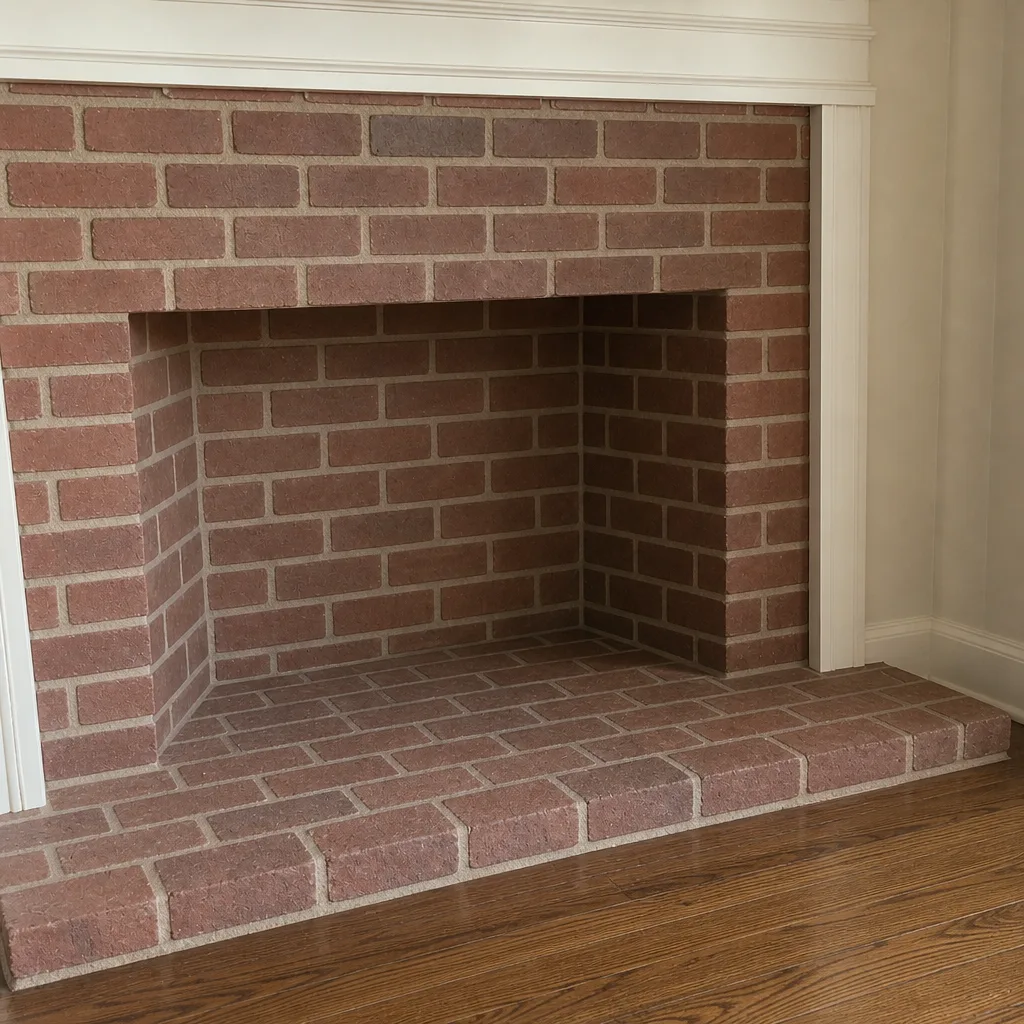
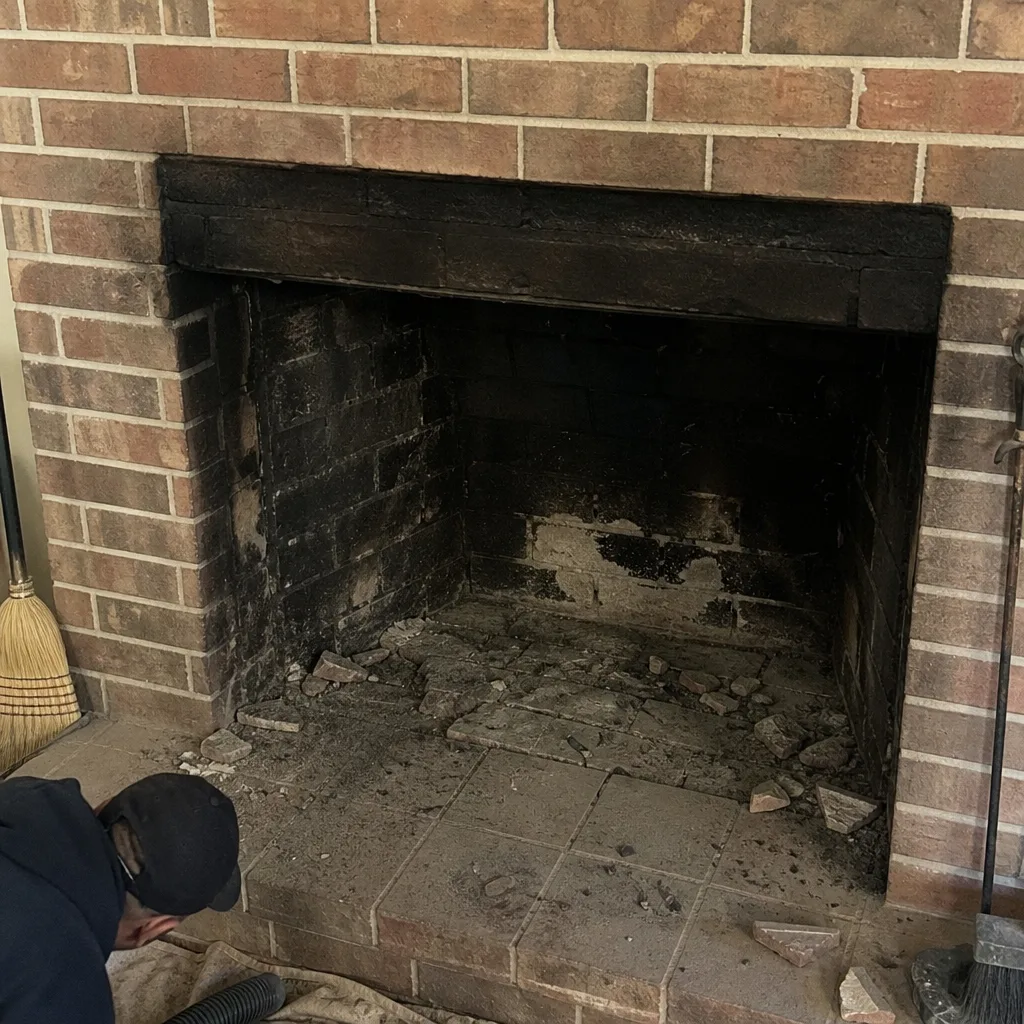
See the difference
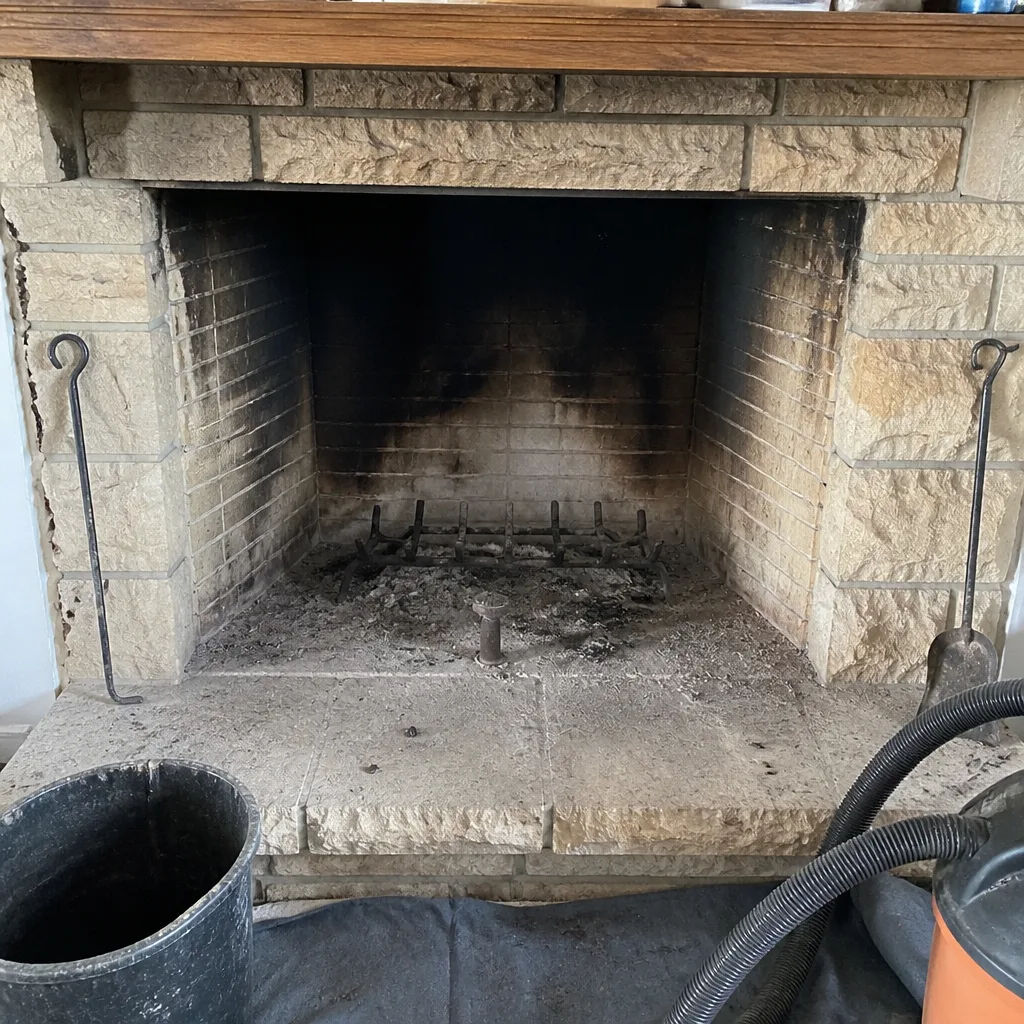 Before
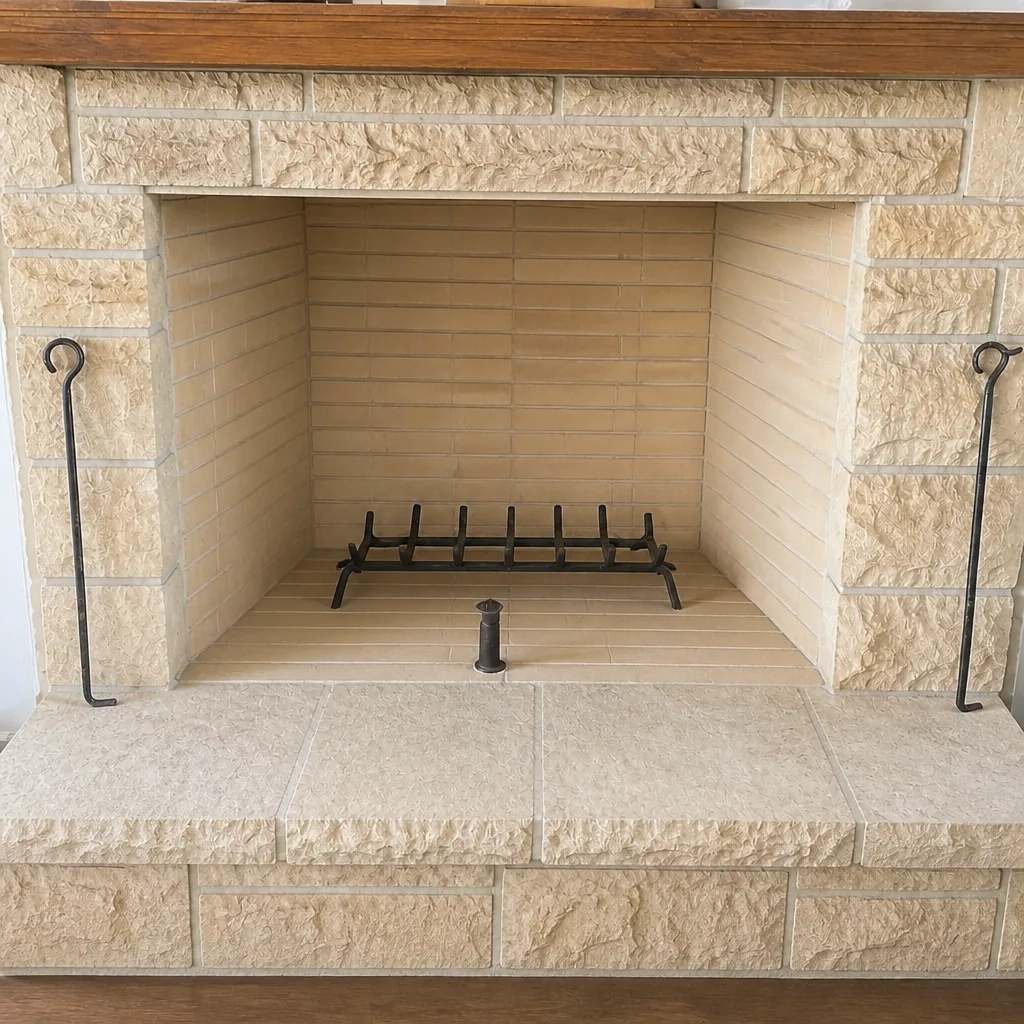 After
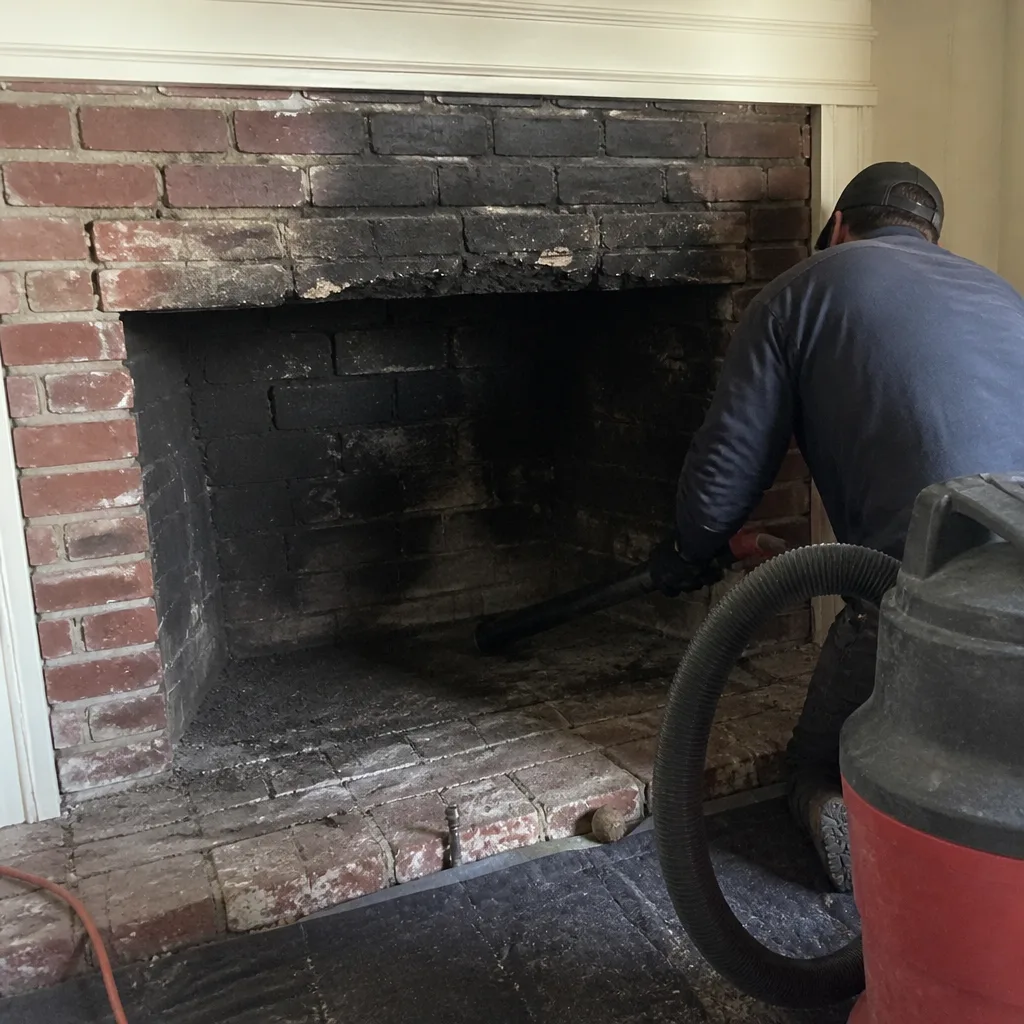 Before
 After
 Before
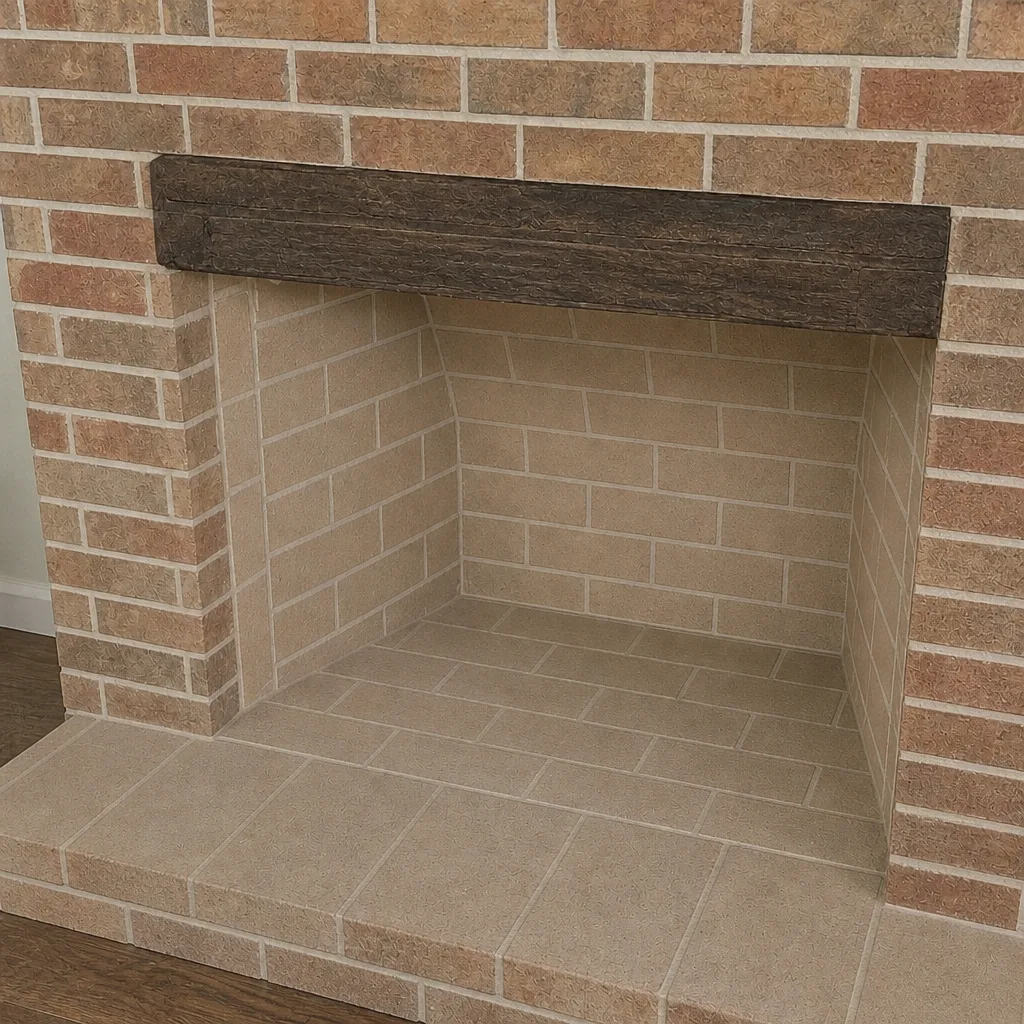 After
When to Call a Professional
Some chimney issues are obvious from the ground. Others aren’t. Call for a professional assessment if any of the following apply: the last sweep was long enough ago that you can’t remember the year; you smell smoke in the house when the fireplace isn’t in use; you’ve noticed a cracked or crumbling liner from a visual check with a flashlight; the cap is dented, rusting, or missing its screen; you’re buying or selling a Norman home with a wood-burning fireplace and need an inspection report for the transaction; or your chimney has a history of spalling that hasn’t been assessed. And call if you’re being offered a product you can’t verify – a documented assessment from a company with a clear product roster is worth more than a handshake, even if the handshake is friendly.
Chimney Sweep Norman offers free estimates in Norman, and we show the product documentation before anything goes in your chimney. Call (888) 561-3468. We answer 24/7. Fast dispatch from 7am to 7pm, Sunday through Friday.
Frequently Asked Questions
A UL listing means that specific product has been tested against a defined safety standard for temperature resistance, corrosion resistance, and structural performance, and it passed. The listing is tied to the product, not the brand. You can verify it independently using the listing number on UL’s Product iQ database before authorizing an installation. If the product going in your flue has no lookable listing, you don’t know what it will do under heat.
DuraFlex is a professional-tier flexible liner system engineered for real flue conditions, and the comparison to a commodity liner depends on the specific alloy grade and wall thickness of each. The key questions are which alloy (316L vs. 304) and which wall thickness. A thicker wall and higher-corrosion alloy generally give better long-term performance in a wood-burning flue that sees temperature cycling. Ask for the specifications in writing, and check the UL listing on both.
Yes, in specific cases. HeatShield ceramic resurfacing can restore a flue with minor spalling, joint deterioration, or shallow cracks when the underlying masonry is still sound. It is not appropriate for flues with large missing liner sections or structural failure behind the clay liner. Whether it’s right for your chimney depends on the damage profile, which an inspection documents. If your flue can be restored instead of replaced, we’ll tell you that.
The brand matters less than the material grade. For Norman’s UV and hail exposure, 16-ounce copper or stainless is the trade-grade baseline. Galvanized sheet metal is thinner, less UV-stable, and more prone to rust and denting. We work with Famco caps because they’re made to those specifications. Ask for the cap material grade and brand before it goes on the flue.
For a wood-burning fireplace in regular use, an annual assessment is the standard recommendation. That interval catches creosote buildup before it becomes a fire risk, and it lets you see liner deterioration early when repair is still a real option. Gas inserts and older chimneys have their own considerations and should be assessed on the same schedule unless a specific condition calls for more frequent checks. Ask about your specific setup.
Ask for the brand, product name, UL or ASTM specification, and warranty document in writing before the work begins. Ask to see the product packaging with the label. Ask what damage they observed and whether they can show you. Ask whether restoration (HeatShield) is an option versus full replacement, and why. A legitimate contractor answers all of these without hesitation. A contractor who deflects on documentation is telling you what you need to know.
The Bottom Line
Chimney products are specification decisions, not brand preferences. The liner in your flue has a UL listing you can verify, an alloy grade you can ask about, and a warranty you can read. The cap on your chimney has a material grade. The resurfacing repair either fits the actual damage or it doesn’t. Norman homeowners deserve to ask these questions and get real answers before work begins. We work with professional-tier products – DuraFlex, HeatShield, Famco, Copperfield, Gelco, Olympia Chimney – and we name them upfront because you should be able to research everything going into your home. Sweep, repair, and inspection, handled to one standard of work.
Call (888) 561-3468 for a free estimate. We answer 24/7. Fast dispatch from 7am to 7pm, Sunday through Friday.
Written by the team at Chimney Sweep Norman.