
Last updated November 15, 2026
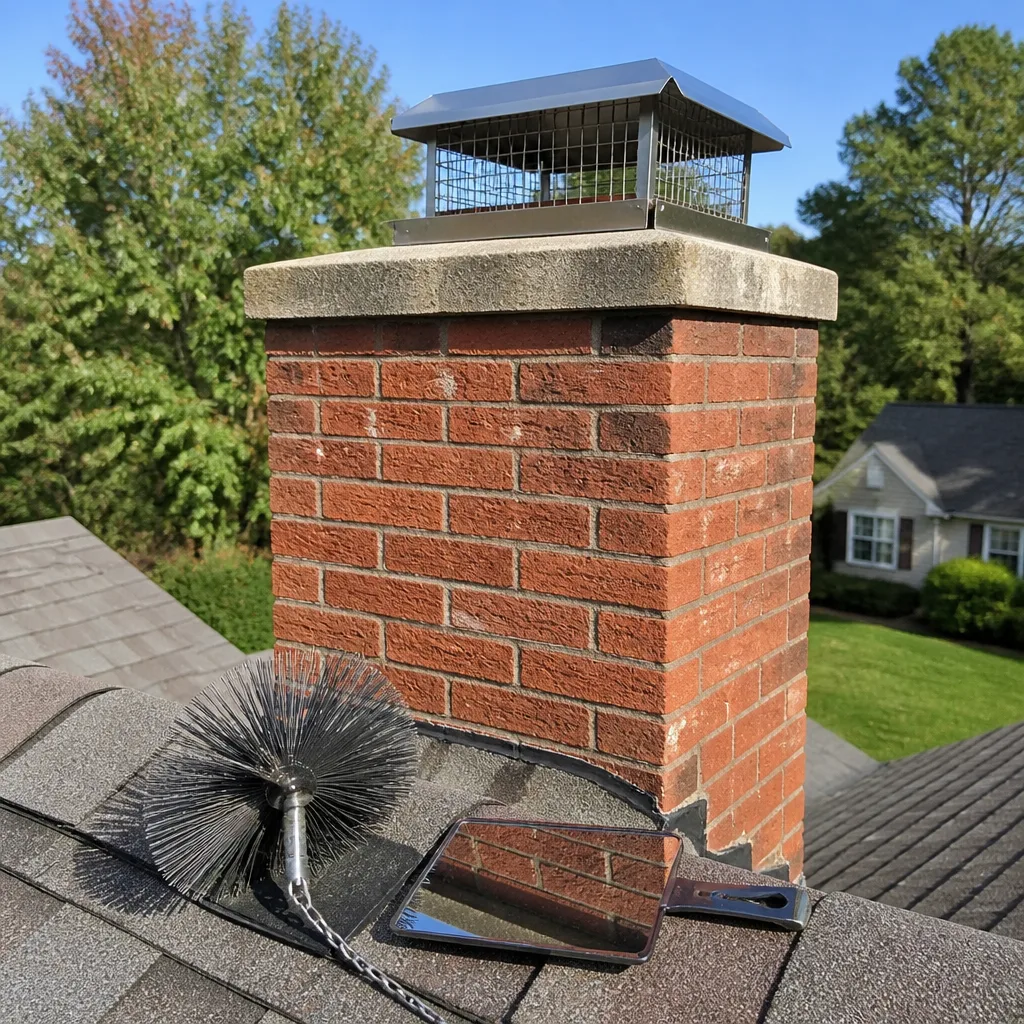 Sweep & inspection
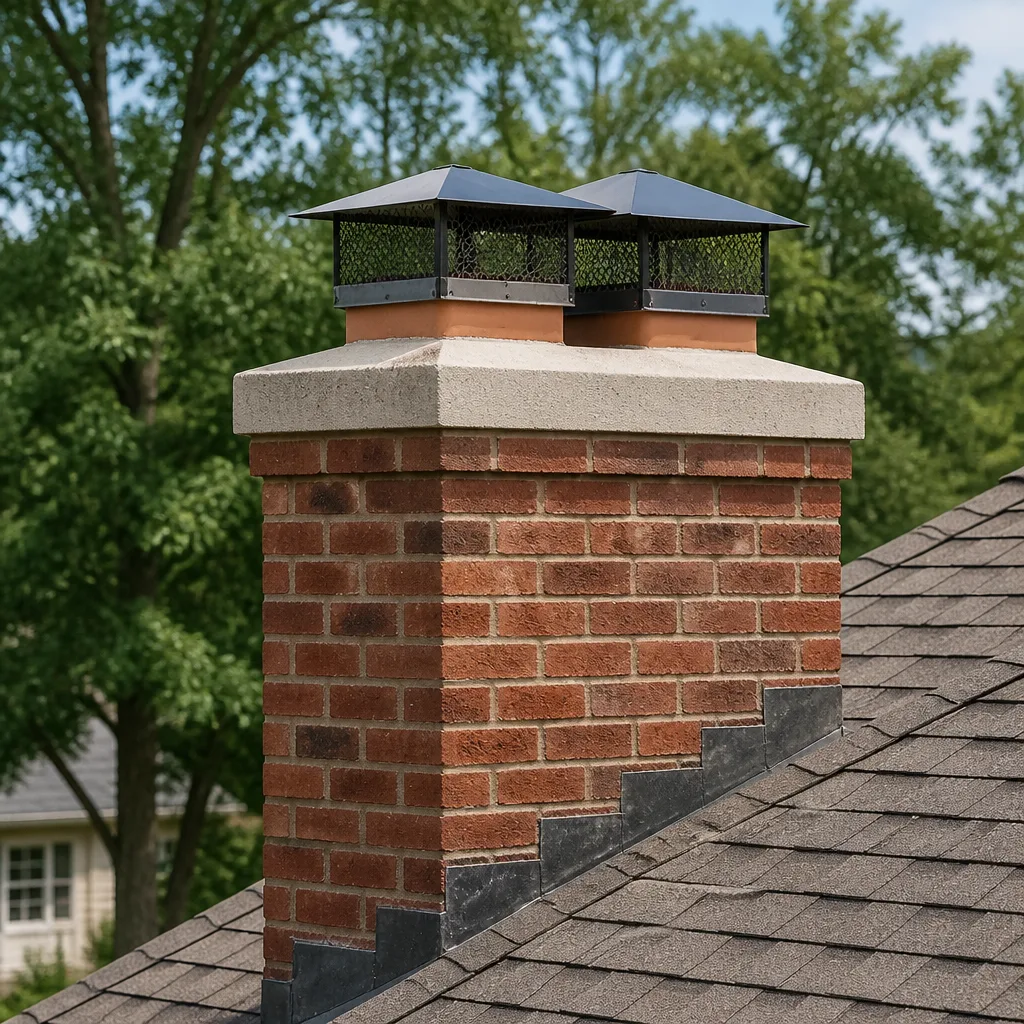 Caps & crowns
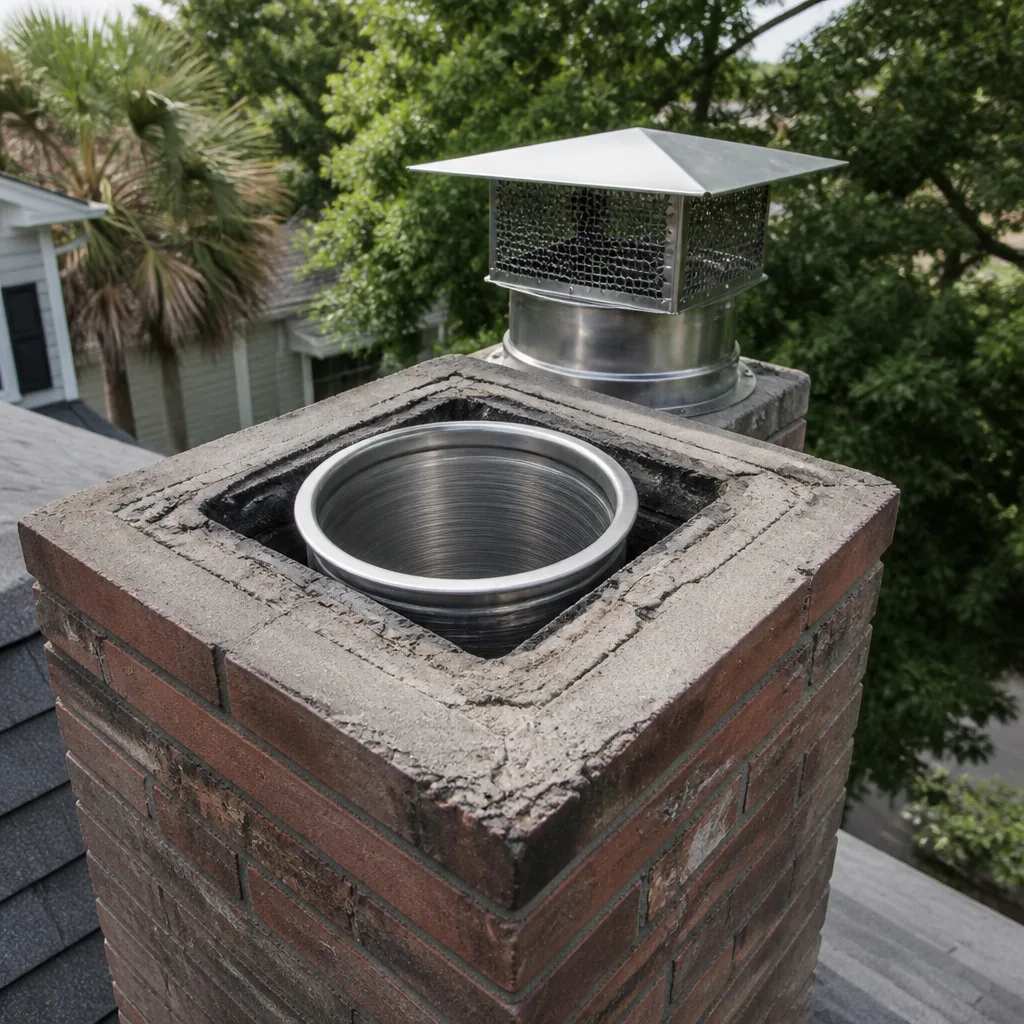 Flue relining
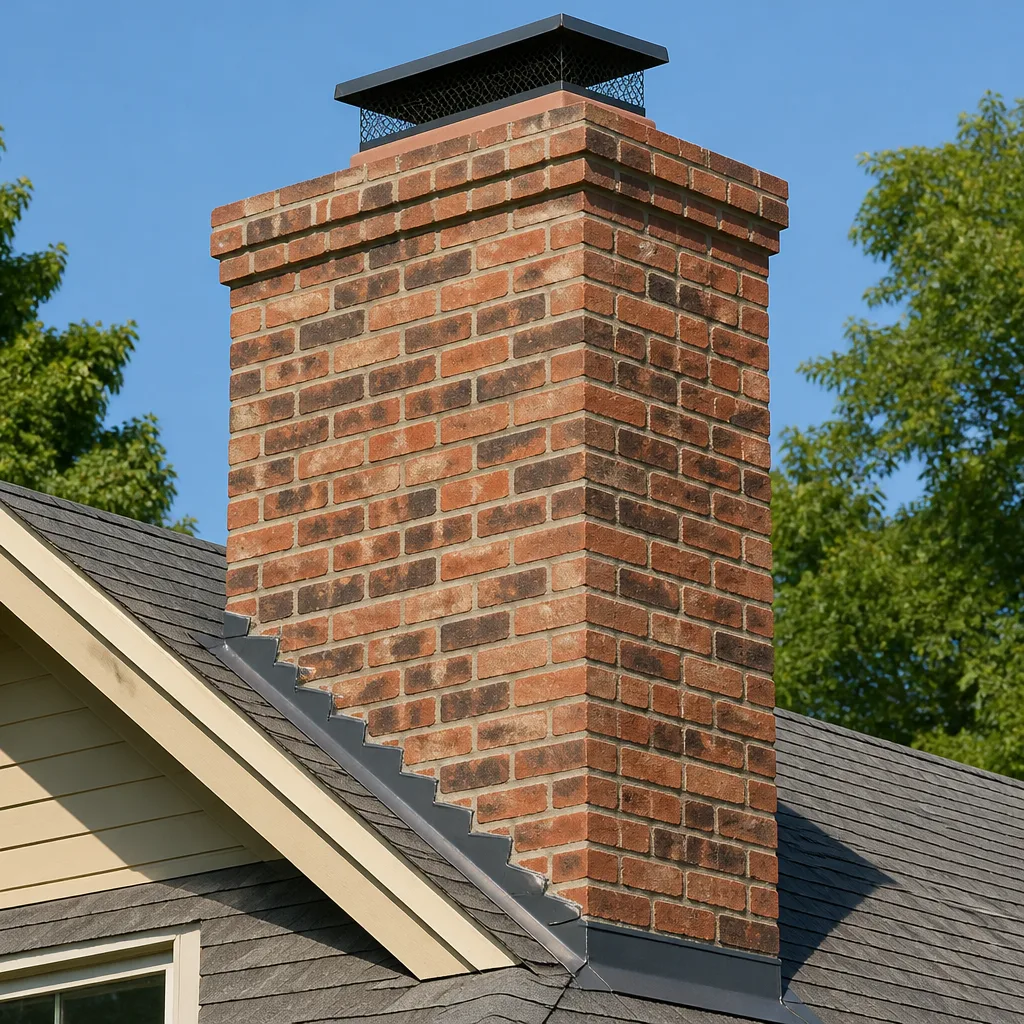 Masonry repair
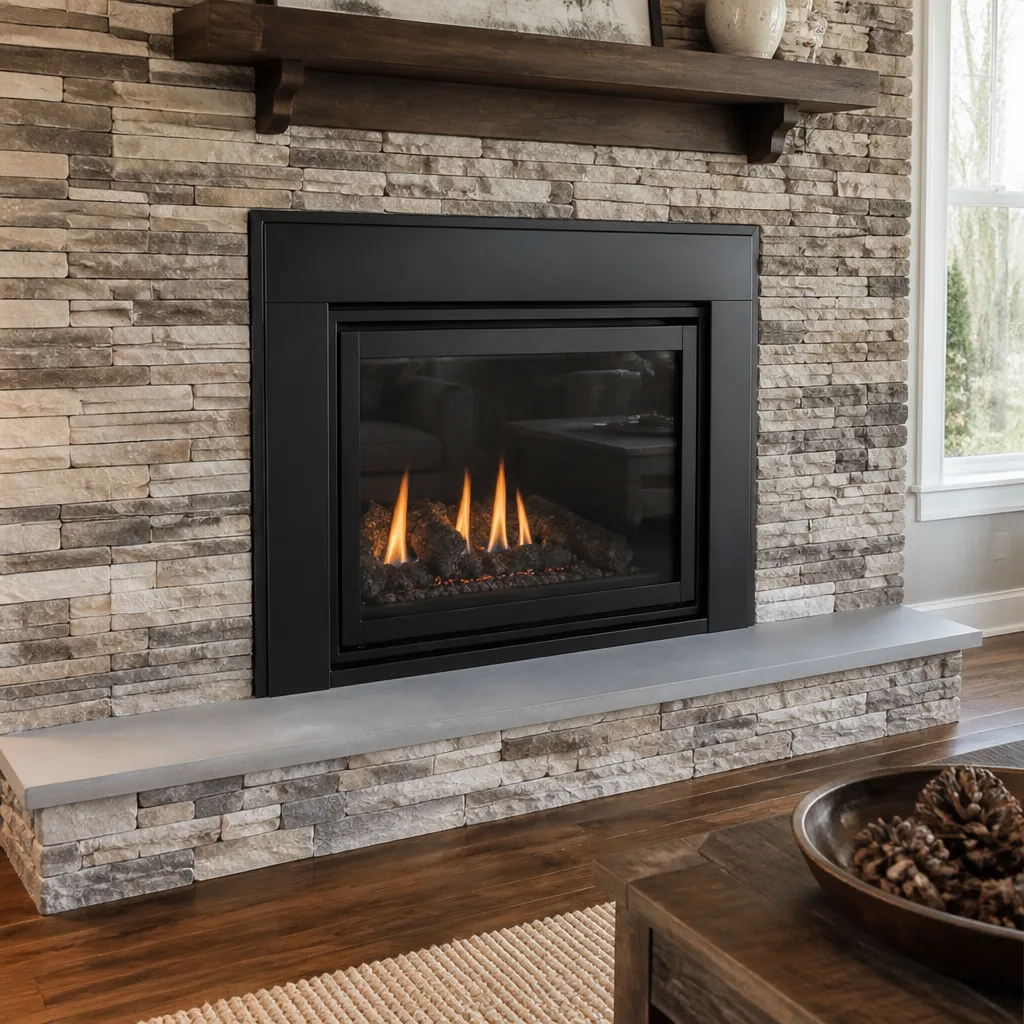 Gas fireplace service
Level 1 sweep and inspection to the NFPA 211 annual standard - flue, crown, cap, and flashing checked and photographed
Chimney sweep logs do not sweep chimneys. They loosen some creosote - which then falls where a brush and vacuum still have to collect it.
Chimney Cleaning Permits, Codes & Inspections in Norman, OK: What You Need to Know
Here’s the part that surprises most homeowners: a routine chimney cleaning in Norman is not a regulated activity in Oklahoma, so no permit is issued for it and none is required. The sweep itself sits outside the permit system entirely. But the moment a job crosses from cleaning into structural work, a stainless steel liner, a smoke chamber rebuild, a firebox reconstruction, the rules change completely, and the permit line is easy to miss. Mixing up those two categories is how a homeowner ends up holding liability for an unpermitted improvement that surfaces years later at resale. This guide walks through where the permit line actually sits in Norman and Cleveland County, what the code says about liner specifications and clearances, how the building department handles a chimney application in practice, and what paperwork to keep once the work is done.
Quick Answer
Chimney cleaning does not require a permit in Norman, Oklahoma, because cleaning is maintenance rather than construction. Chimney work that alters the structure, such as a liner replacement, smoke chamber rebuild, or firebox reconstruction, generally does fall under the residential building code adopted for Cleveland County and needs a permit and inspection. Your best move is to call the City of Norman building department before the work is scheduled so you know which side of that line your job is on.
Styles & brands we work with
- Sweep & inspection
- Caps & crowns
- Flue relining
- Masonry repair
- Gas fireplace service
Table of Contents
- Where the Permit Line Sits in Norman
- What Oklahoma Residential Code Says About Chimneys
- The Scope Triggers That Require a Permit
- How Norman’s Building Department Handles Chimney Permits
- Why Off-Spec Materials Create Code Exposure
- What a Chimney Inspection Actually Covers
- What Documentation to Keep After the Work
- Common Mistakes to Avoid
Where the Permit Line Sits in Norman
Cleaning a chimney is not construction. It removes creosote, soot, and debris from a flue that is already built, and nothing about that changes the structure of the house. Because of that, the City of Norman does not issue a permit for a chimney sweep, and there’s no inspection tied to a sweep the way there would be for a roof or a deck. This is true across Oklahoma, not just in Norman.
The confusion starts because a cleaning and a repair are often recommended in the same visit. A technician sweeps the flue, runs a camera up the chimney, and finds spalled tile or a cracked crown. The cleaning was maintenance. The liner replacement that follows is an alteration to a building component, and that’s where the permit question enters.
We tell homeowners in Norman the same thing every time: separate the two jobs in your head. Cleaning is maintenance and needs no paperwork from the city. A structural change to the chimney system is construction work, and construction work in Norman runs through the building department.
- No permit: chimney sweeping, creosote removal, cap cleaning, damper lubrication.
- Usually a permit: liner replacement, smoke chamber rebuild, firebox reconstruction, masonry rebuilds above a certain extent.
- Ask the city: crown replacement, flue tile replacement, and any job where you’re unsure how the scope will be classified.
If you’re starting from a routine annual service, our chimney sweep page walks through what the visit involves before any repair conversation begins.
What Oklahoma Residential Code Says About Chimneys
Oklahoma adopts the International Residential Code as the basis for one- and two-family residential construction, and that adoption is what reaches down to your chimney. Cities across the state, Norman included, work from that framework and then set their own local permit procedures and inspection practices on top of it. Local amendments vary, so the version in force in your city is the one that matters.
For chimneys, the code framework covers three things that come up on nearly every job:
- Liner specifications: a flue has to have a listed liner material that is appropriate for the appliance and fuel type it serves. A wood-burning fireplace, a gas insert, and an oil appliance each need a liner matched to what’s venting through it.
- Clearances: the chimney has to maintain the required distance from combustible materials. This is the rule that a homeowner can’t see and can’t verify without opening up construction.
- Venting requirements: the flue has to be sized and configured so the appliance vents correctly, which affects draft, spillage, and how the system performs in cold weather.
What this means in practice is that the code doesn’t just care whether the chimney works. It cares whether the material inside the flue is a listed product installed to the manufacturer’s instructions. A liner that isn’t listed, or one installed without the required clearance, fails the standard even if the fireplace draws perfectly and looks fine from the living room.
Norman’s climate adds a practical wrinkle. Summer heat swings and the freeze-thaw cycle around the edges of winter work on masonry joints and crowns year after year. That’s the mechanism behind a lot of the spalled tile and eroded mortar we find on older flues in the area. Code compliance is about the material and the installation, but the local weather is what determines how quickly a weak installation shows its age.
Always confirm the current adopted edition and any local amendments with the City of Norman before you schedule structural work. We can tell you what the trade standards call for; the city tells you what’s in force for your address.
The Scope Triggers That Require a Permit
A job moves from cleaning to alteration based on scope, not cost and not how long it takes. Here are the triggers we watch for when we’re deciding whether a Norman homeowner needs to involve the city.
- Liner replacement. Installing a new stainless steel liner, whether a flexible DuraFlex system for an irregular flue or a rigid liner, changes the venting system. This is the single most common chimney job that crosses the permit line, and the one homeowners most often skip.
- Smoke chamber rebuild. The smoke chamber sits above the damper and below the flue. Rebuilding or parging it is masonry work inside the chimney structure.
- Firebox reconstruction. Rebuilding the firebox means removing and replacing firebrick and the mortar around it. That’s construction, and it’s one of the more involved repairs a chimney takes.
- Chimney tear-down and rebuild. Any job where masonry is removed down to a level and rebuilt is squarely construction work.
- Changing the appliance type. Converting a wood-burning fireplace to a gas insert, or the reverse, often changes venting requirements and brings the job into permit territory.
Two jobs sit in a gray zone worth naming. Crown replacement and flue tile replacement are structural in nature but are sometimes handled differently depending on how much masonry is involved and how the city classifies the scope. Rather than guess, call the building department with a plain description of the work and let them classify it.
One repair deserves a specific note because it changes the permit calculus. HeatShield ceramic resurfacing restores a deteriorating flue liner from the inside rather than replacing it. Whether that counts as an alteration for permit purposes in Norman depends on the scope and how your city reads it, so ask before booking. It does not change the fact that the work has to be done to a professional standard either way.
How Norman’s Building Department Handles Chimney Permits
In practice, a chimney permit in Norman runs like any other residential trade permit. The process is straightforward, but the order matters, and homeowners who learn it after the fact are the ones who end up with a problem.
- Call the City of Norman building department before work starts. Describe the scope in plain language: “replacing a flue liner in a wood-burning fireplace” or “rebuilding a firebox.” Ask whether that scope requires a permit at your address.
- Ask who pulls the permit. In Oklahoma, the licensed contractor doing the work typically applies. Confirm this up front so it isn’t left ambiguous when the crew arrives.
- Submit the application with the scope and product information. Listed liner products come with manufacturer’s installation instructions, and those instructions are part of what the job has to follow. Have them ready.
- Schedule the inspection after the work is complete. The inspection verifies the installed work against the permitted scope. Ask the city what they want visible or accessible at the time of inspection so nothing has to be opened up twice.
- Keep the signed-off permit and inspection record. This is the document that proves the work was permitted, and it’s the one a buyer’s inspector will ask for later.
Two practical notes for Norman homeowners. First, inspection scheduling depends on city workload, so build the timeline into your project rather than assuming the inspection happens the day after the work finishes. Second, if the job is happening as part of a real estate transaction, start the conversation with the city early, because closing dates don’t move for inspection queues.
The thing to avoid is the “we’ll handle it later” approach. An unpermitted liner replacement doesn’t announce itself. It sits quietly in the flue until a home inspector, an insurance adjuster, or a buyer’s chimney inspection asks a question the seller can’t answer.
Why Off-Spec Materials Create Code Exposure
Here’s the part of the code conversation that gets skipped: material quality matters even on work that never gets a permit. If a repair is done with a non-listed liner or an improper mortar mix, the chimney can fail the standard it would have been held to, and that failure shows up during a home inspection whether or not a permit was ever pulled.
The most common example is a liner. A stainless liner that isn’t a listed product, or one installed in a way that ignores the manufacturer’s instructions, creates a question a home inspector will flag. They may not be able to tell you the brand, but they can tell you something looks off, and that’s enough to stall a sale or trigger a request for documentation you don’t have.
Mortar is the second one. Firebox and smoke chamber repairs need mortar appropriate for high heat. The wrong mix can look fine on day one and start breaking down once the fireplace sees regular use. That’s a repair that has to be redone, and the second repair costs more than doing it right the first time.
This is why we name the products we install. DuraFlex for flexible liner systems, HeatShield for ceramic resurfacing, Copperfield and Famco components for caps and related parts. Trade-grade materials, not hardware-store substitutes, and you can look up exactly what’s going into your chimney before we start.
We’ve seen enough Norman home inspections to know how this plays out. The chimney is one of the few systems in a house where a previous owner’s shortcut stays invisible until someone with a camera and a flashlight goes looking. When they do, the material list is the difference between a clean report and a repair request.
What a Chimney Inspection Actually Covers
An inspection and a cleaning are two different services, and the distinction matters for code purposes because the inspection is what produces the documented record. A sweep removes creosote. An inspection assesses the condition of the components and puts the findings in writing.
Chimney inspections follow a three-level structure that the trade uses as a common standard:
- Level 1: a visual assessment of accessible portions of the chimney, typically done alongside a routine cleaning. This is the annual-checkup level.
- Level 2: adds a camera inspection of the flue interior and is the level usually called for during a real estate transaction, after a chimney fire, or when an appliance change is planned. This is the one that produces the report a buyer or insurer will want.
- Level 3: involves opening up construction to access concealed areas, and is reserved for specific diagnostic situations.
For Norman homeowners, the practical takeaway is that if you need documentation for a sale, an insurance claim, or a permit application, you want a Level 2 inspection with a written report. That report should tell you what was found, what condition each component is in, and what, if anything, needs to be addressed.
Our inspection service produces exactly that: a documented assessment you can hand to a buyer, an insurer, or your own maintenance file. Combined with a chimney repair scope when something needs fixing, you end up with a paper trail that follows the work from assessment through completion. That’s the full sequence, sweep, repair, and inspection handled by the same team, so nothing gets lost between contractors.
What Documentation to Keep After the Work
The paperwork is the least glamorous part of chimney work and the part that saves you the most trouble later. Whether or not your repair required a permit, keep a file. Here’s what belongs in it.
- The written estimate and final invoice. The estimate sets the scope, and the invoice confirms what was actually done. Keep both, because the difference between them is often the question at resale.
- The permit and inspection sign-off, if one was required. A signed-off inspection record is the strongest proof that the work met code.
- Product information for anything installed. Liner brand and model, cap brand, and the manufacturer’s installation instructions. If a liner was installed, the brand name on the invoice is worth more than a generic “liner replaced.”
- The inspection report with photos. Before-and-after photos are what let a future buyer or adjuster see the condition of the flue at a specific point in time.
- The date of the last sweep. A simple record of when the chimney was last cleaned answers the first question any buyer’s inspector will ask.
For an insurance claim, the invoice and photos are usually what an adjuster wants. For a property sale, the inspection report and permit record are what a buyer’s inspector wants. For your own maintenance, the sweep dates tell you when the next one is due. Keeping all of it in one folder takes five minutes and closes the loop.
Frequently Asked Questions
No. Chimney cleaning is maintenance, not construction, and the City of Norman does not require a permit for a sweep or creosote removal. If the cleaning turns up a liner or masonry problem, that repair is a separate question, and some of those jobs do require a permit. Call the building department before scheduling any structural work.
In most cases yes, because installing a new liner alters the venting system of the house and that falls under the residential code. The exact permit requirement depends on scope and how the city classifies your job, so call the City of Norman building department with a description of the work before it starts. That call costs nothing and prevents an unpermitted improvement from surfacing at resale.
Oklahoma adopts the International Residential Code as the basis for one- and two-family residential construction, and local cities within the county work from that framework with their own permit procedures and any local amendments. The code covers liner specifications, clearances from combustibles, and venting requirements. Confirm the current adopted edition with the City of Norman, since amendments vary and the version in force at your address is the one that applies.
No. A liner that looks fine from the living room tells you almost nothing about its condition inside the flue, and the permit requirement is about the scope of the work, not the visible condition of the appliance. Skipping the permit doesn’t make the work legal; it just means there’s no inspection record when a buyer or insurer asks for one.
It can, and the way it usually surfaces is through a home inspection or a buyer’s chimney inspection, not through a city database. An inspector who sees a recently installed liner will often ask for documentation, and if there isn’t any, the buyer has a reason to negotiate or request further investigation. Having the invoice, product information, and inspection report on hand resolves the question quickly.
Anything involving the flue interior, liner condition, or masonry structure needs a trained professional to assess, and you shouldn’t sign off on a major repair without seeing the evidence for yourself. Ask for a camera inspection with photos of what was found. If the flue is sound and the work is maintenance, it can wait for a booked sweep. If there’s a real defect, the report will show it, and you can decide from there. For a straight answer on your chimney in Norman, call (888) 561-3468 and we’ll book a visit. Estimates are free.
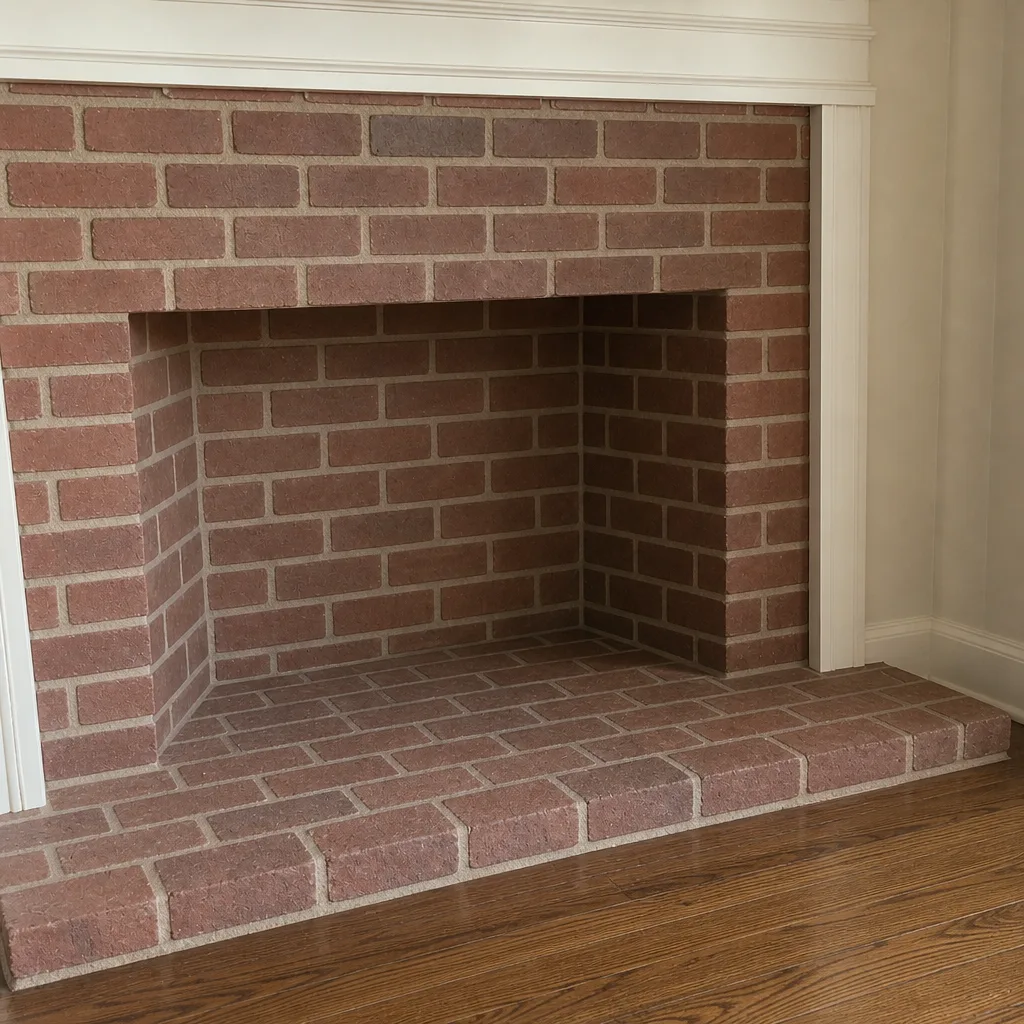
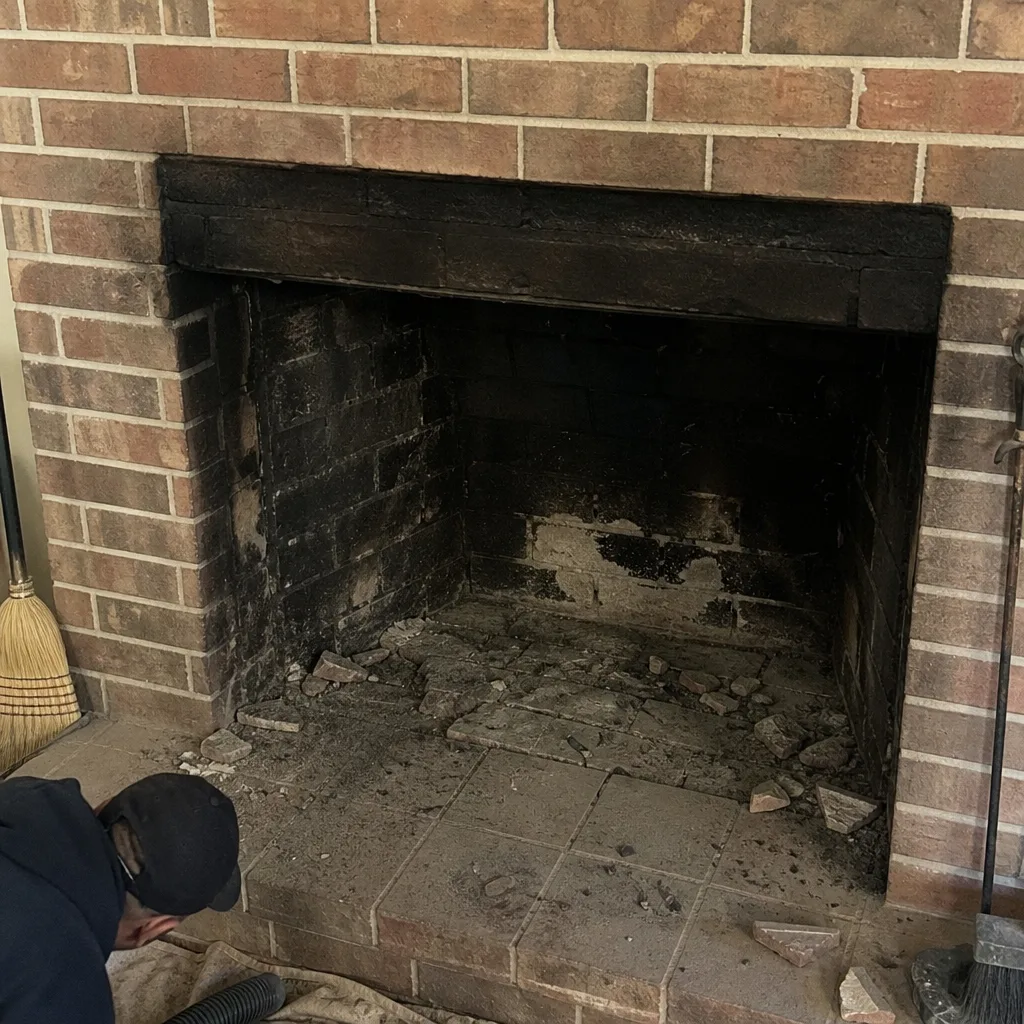
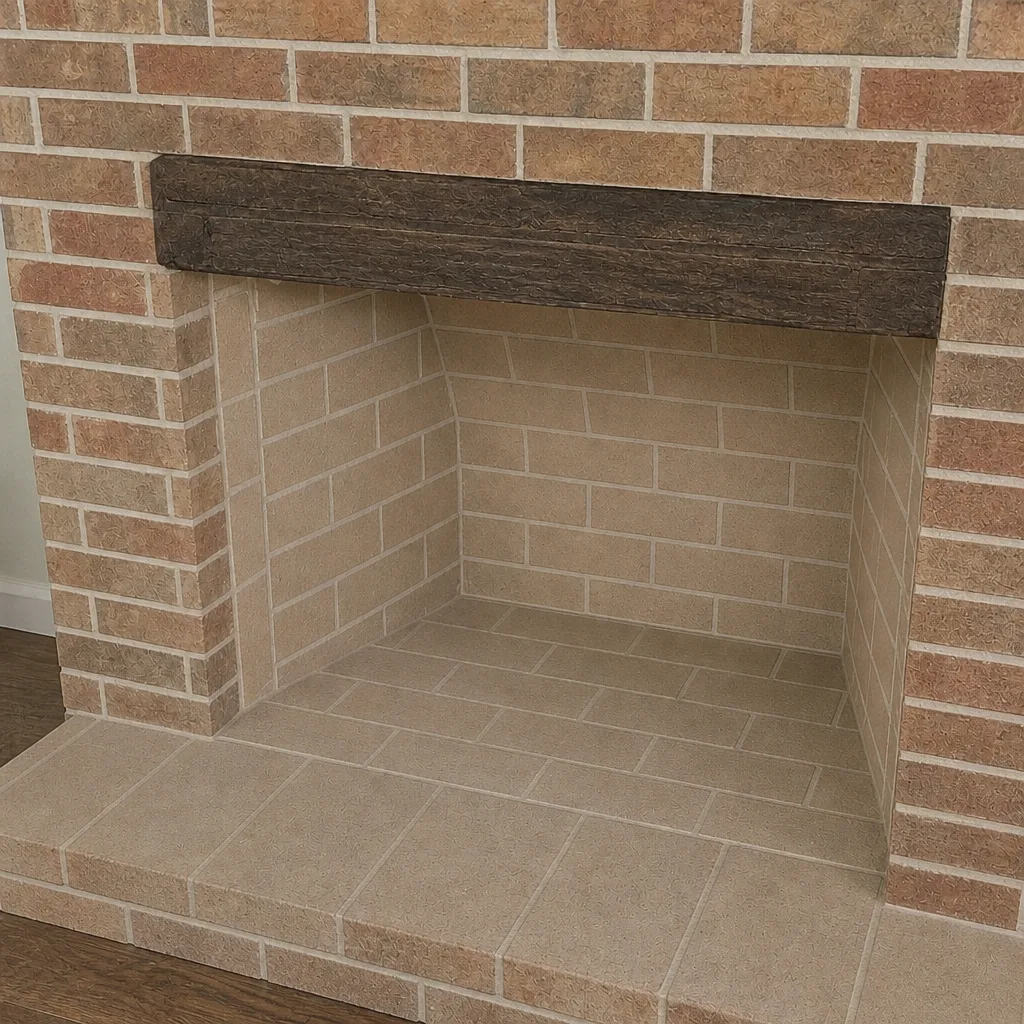
See the difference
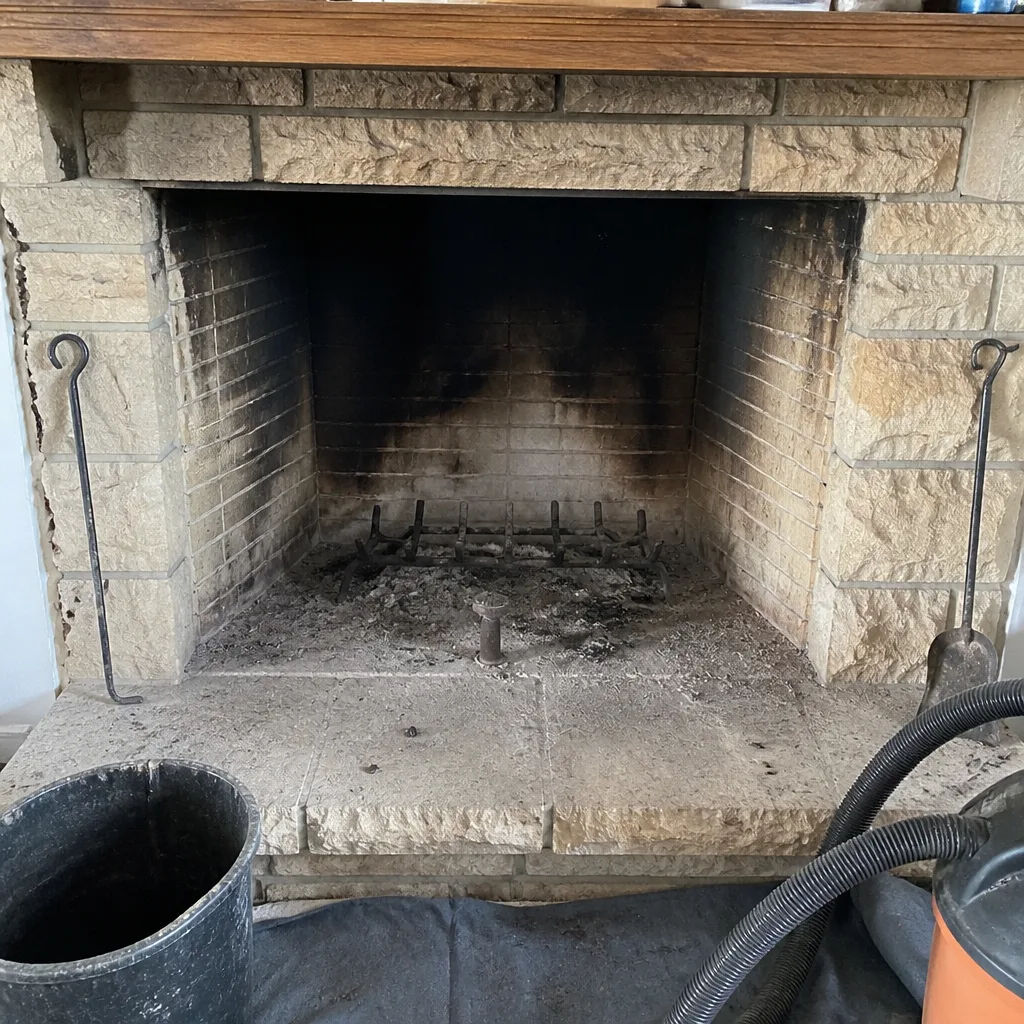 Before
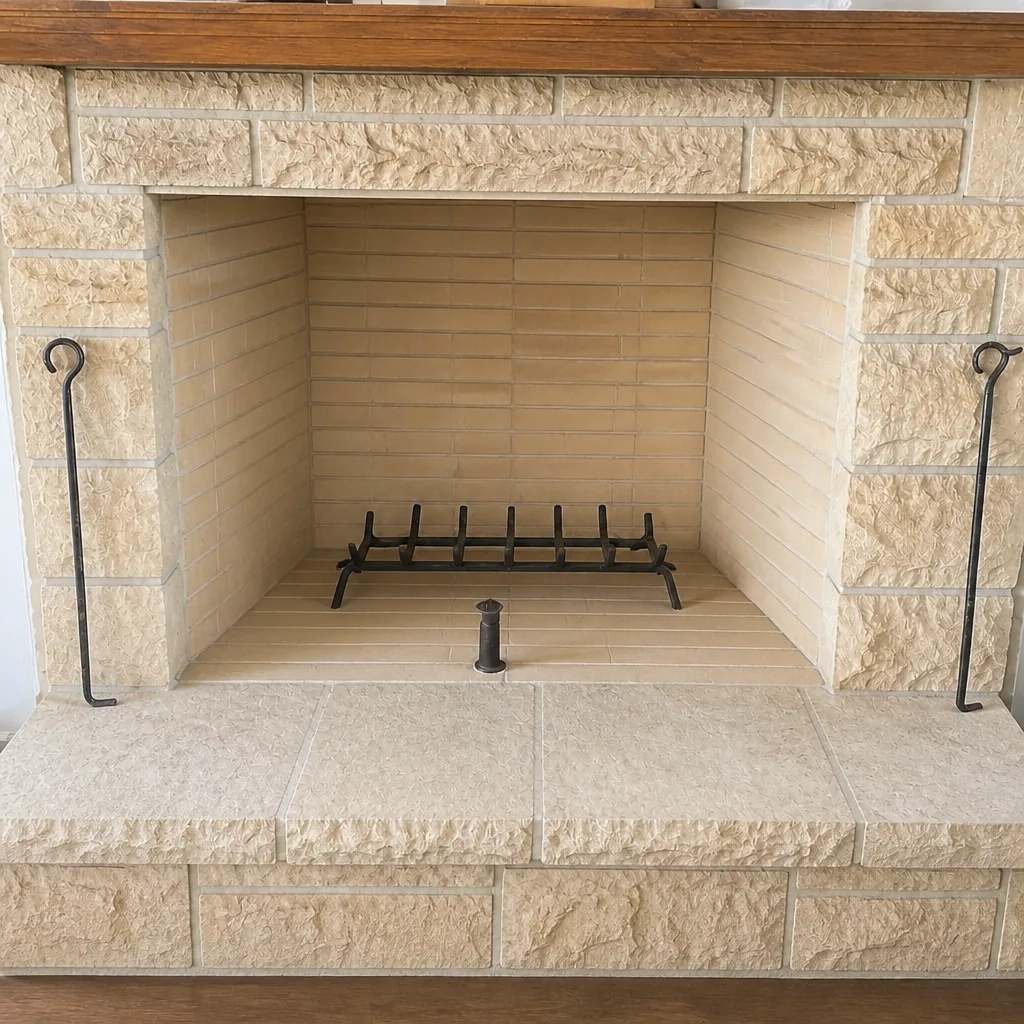 After
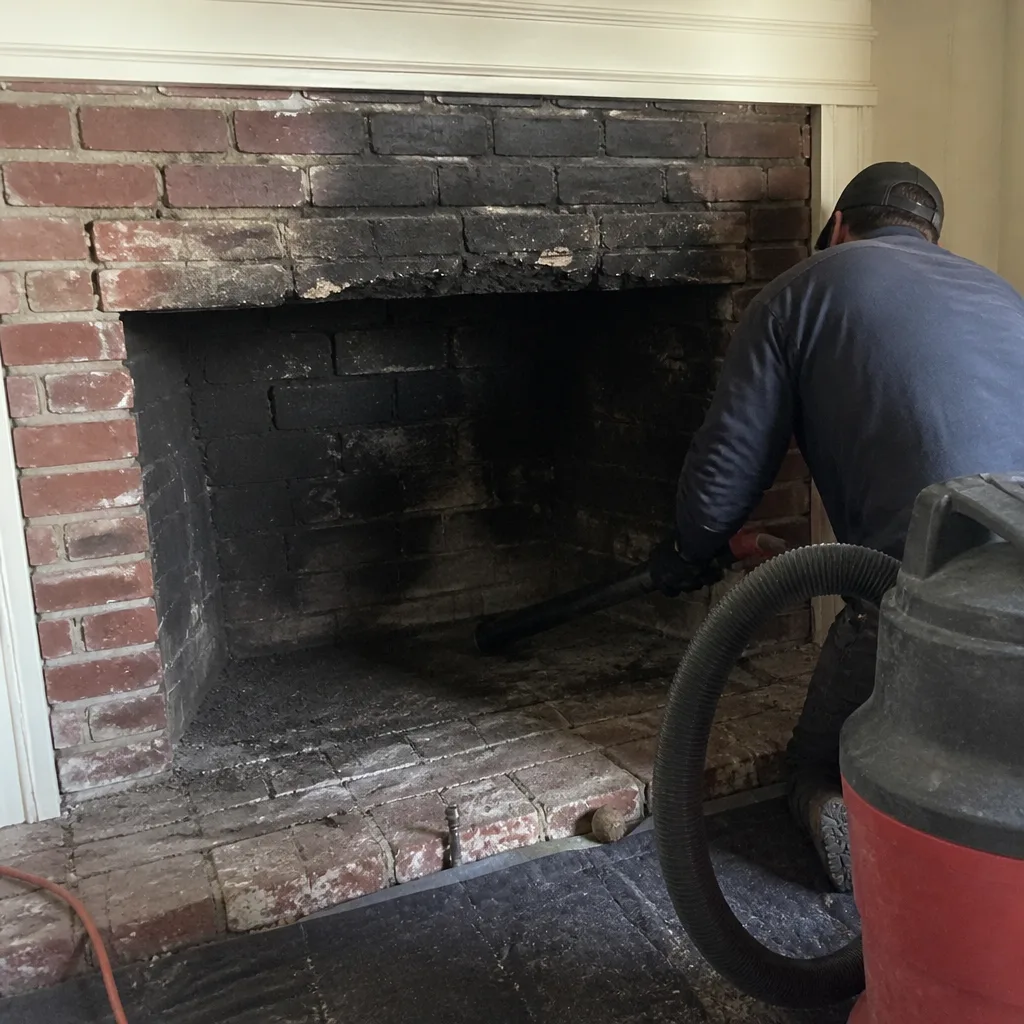 Before
 After
 Before
 After
When to Call a Professional
Some chimney concerns are maintenance and some are safety, and the second category is not a do-it-yourself project. Call for a professional assessment when you smell a strong creosote odor from the fireplace, when smoke rolls into the room instead of going up the flue, when you can see cracked or missing flue tiles through the damper, or when a chimney fire has occurred, even a small one. Call before you plan any liner replacement, firebox rebuild, or appliance conversion, because these scopes are where the permit question lives and where the wrong material creates a problem that outlasts the repair. And call before buying or selling an older home in Norman, because a Level 2 inspection report is the document that answers everyone’s questions at once. Chimney Sweep Norman offers free estimates in Norman. Call (888) 561-3468. Our technicians have up to experience, and we’ll tell you plainly when a repair can safely wait.
Common Mistakes to Avoid
- Assuming a cleaning permit covers the repair. There’s no cleaning permit to begin with, and the repair that follows a cleaning is a separate scope with its own requirements. Treat them as two conversations.
- Letting the contractor decide the permit question after the work is done. Ask who pulls the permit before the crew schedules the job. If the answer is vague, that’s a signal to get it settled first.
- Accepting “premium liner” with no brand name on the invoice. Ask for the product name in writing, then look it up. DuraFlex and HeatShield are names you can research; “quality materials” is not.
- Skipping the camera inspection on an older Norman home. Older homes around the university and the historic core often have flue configurations that don’t match modern appliances. A camera inspection is how you find out before something is installed into it.
- Throwing away the inspection report after closing. That report has value on the next sale, and it’s the first thing an adjuster will ask for if there’s ever a claim.
- Treating a HeatShield restoration and a full reline as the same thing. They aren’t, and the difference can be significant in cost. If your flue can be restored instead of replaced, a capable contractor will tell you that; ask directly whether that option applies.
- Letting a handyman do structural chimney work to save the permit step. The permit is the paper trail that protects you, and unlisted materials installed without it are the exact pattern that stalls a home sale.
The Bottom Line
A chimney cleaning in Norman needs no permit, and a chimney alteration usually does. That one distinction handles most of the confusion homeowners bring to this topic. The code framework the city works from covers liner specifications, clearances, and venting, and it holds whether or not a permit was pulled. Trade-grade materials, listed products installed to manufacturer’s instructions, and a documented inspection report are what keep a chimney compliant and a property sale clean. Confirm the permit question with the City of Norman before structural work, keep the paperwork after, and ask to see the camera evidence before you agree to anything major. That’s the whole playbook, and it’s a short one.
If you want a straight assessment of where your chimney stands, call Chimney Sweep Norman at (888) 561-3468 for a free estimate. We answer 24/7. Fast dispatch, 7am-7pm. We handle sweep, repair, and inspection under one standard of work, and we’ll show you what we find before we recommend a thing.
Written by the team at Chimney Sweep Norman.