
Last updated November 15, 2026
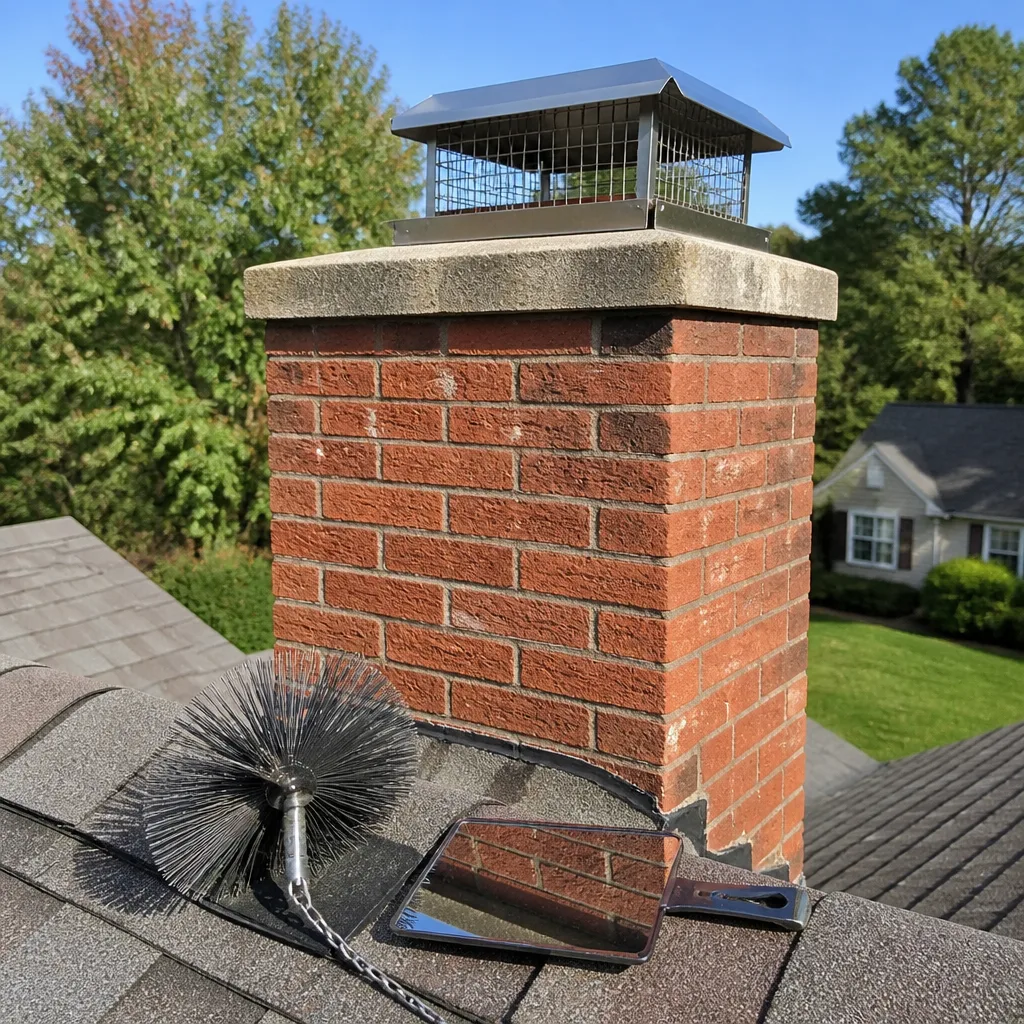 Sweep & inspection
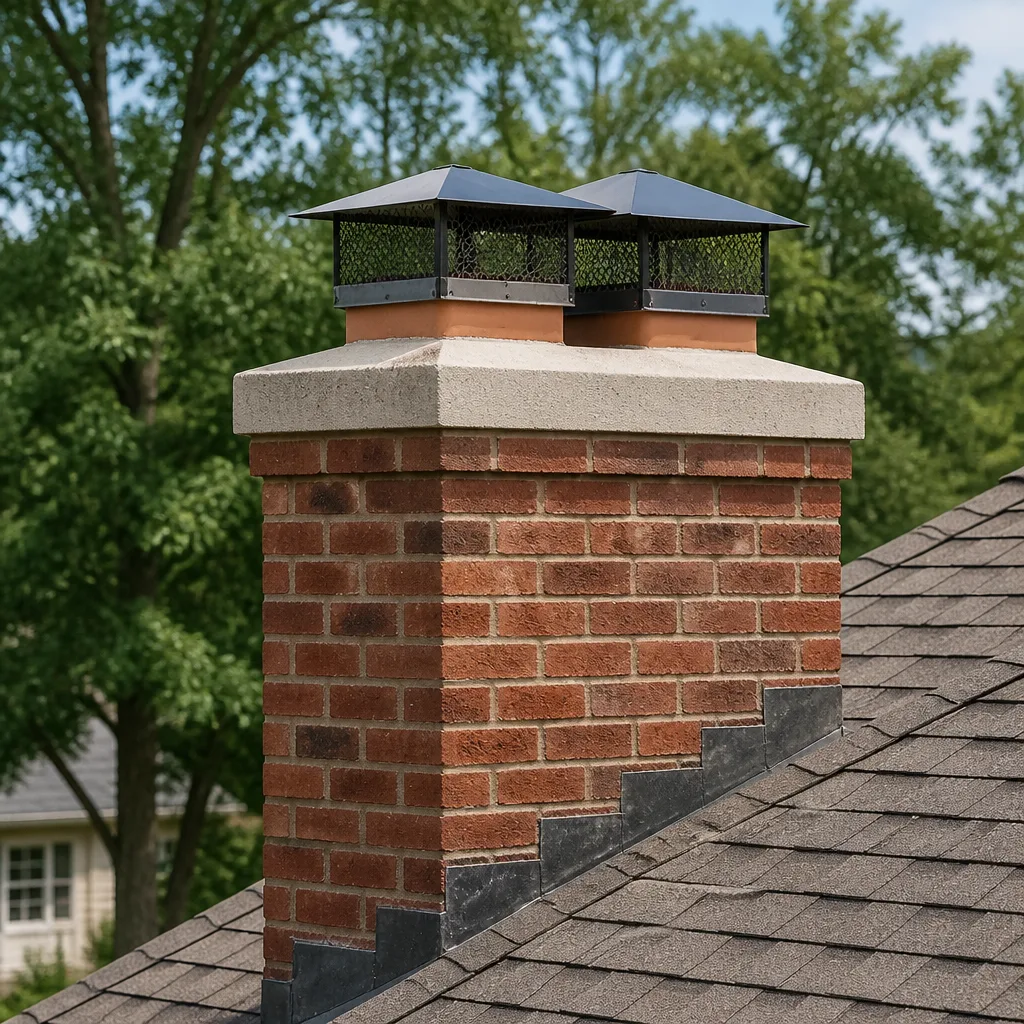 Caps & crowns
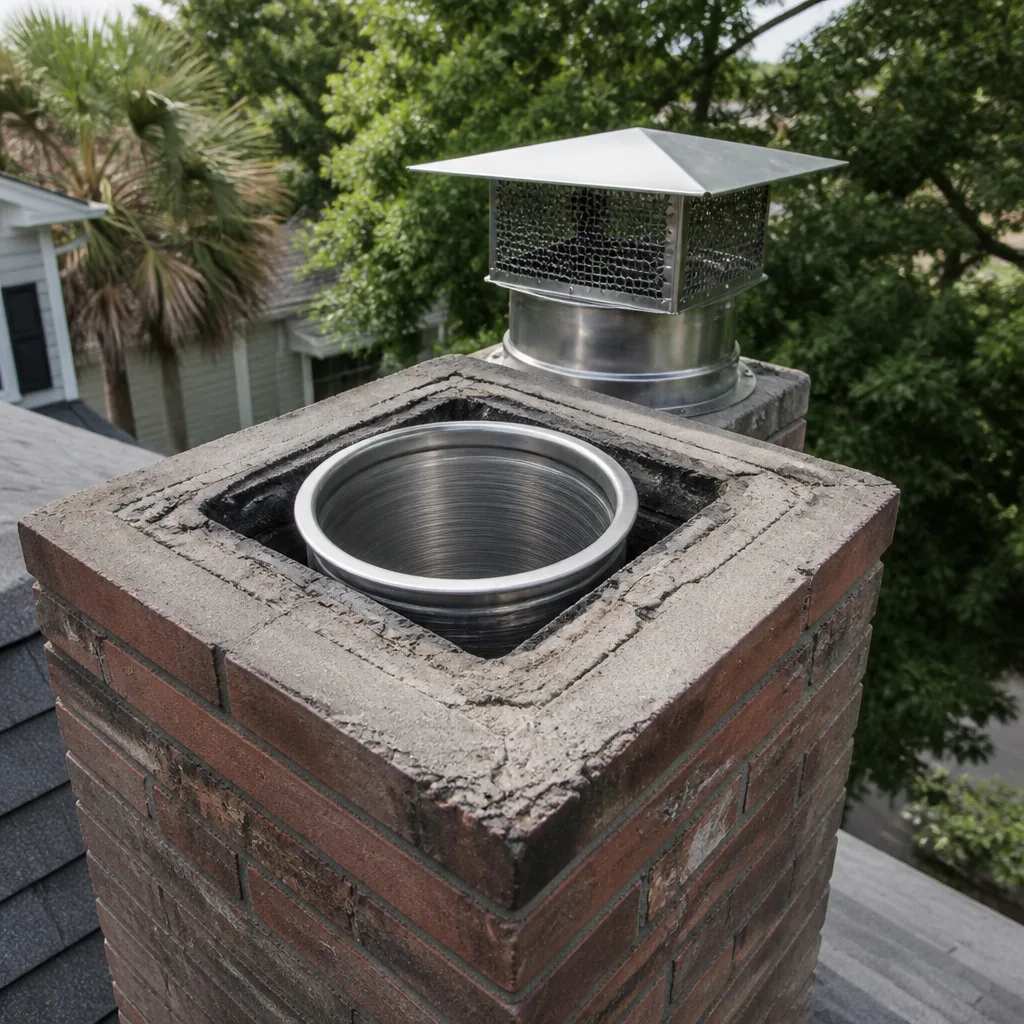 Flue relining
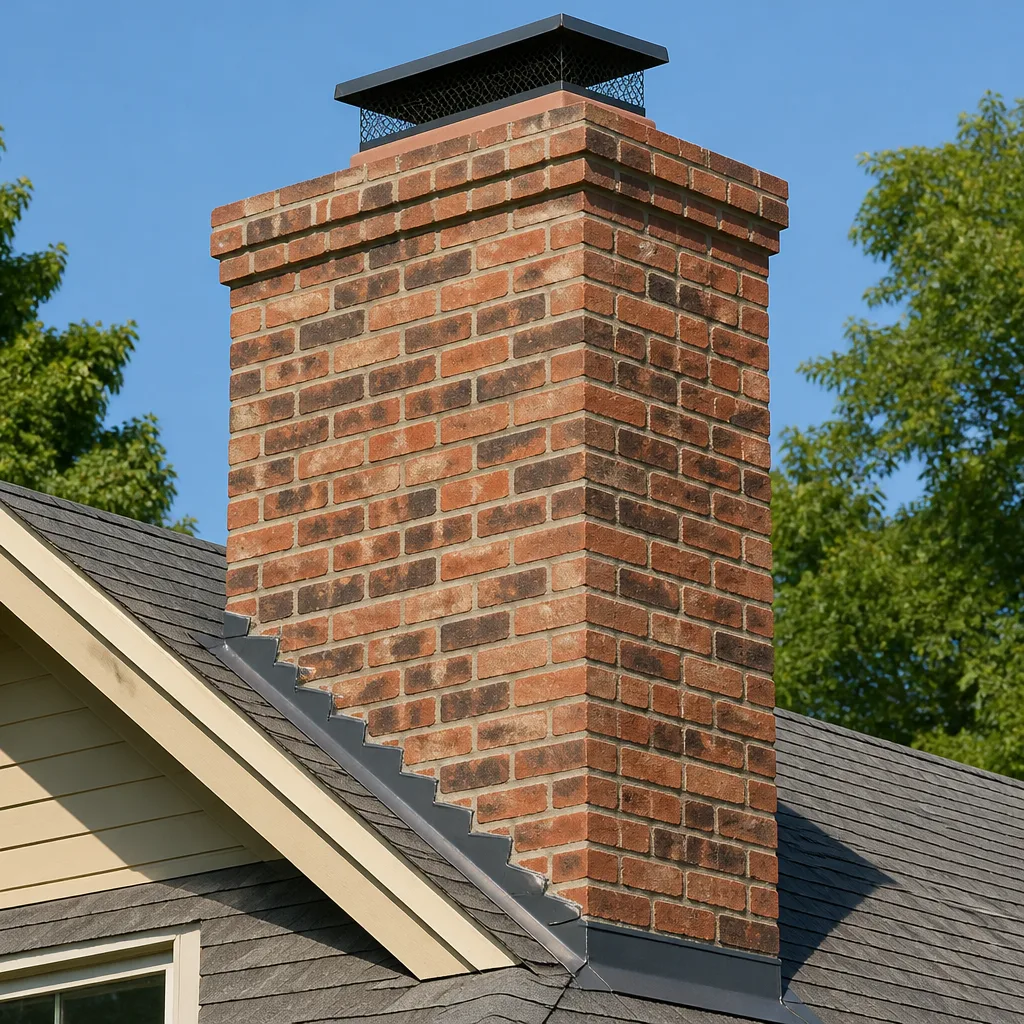 Masonry repair
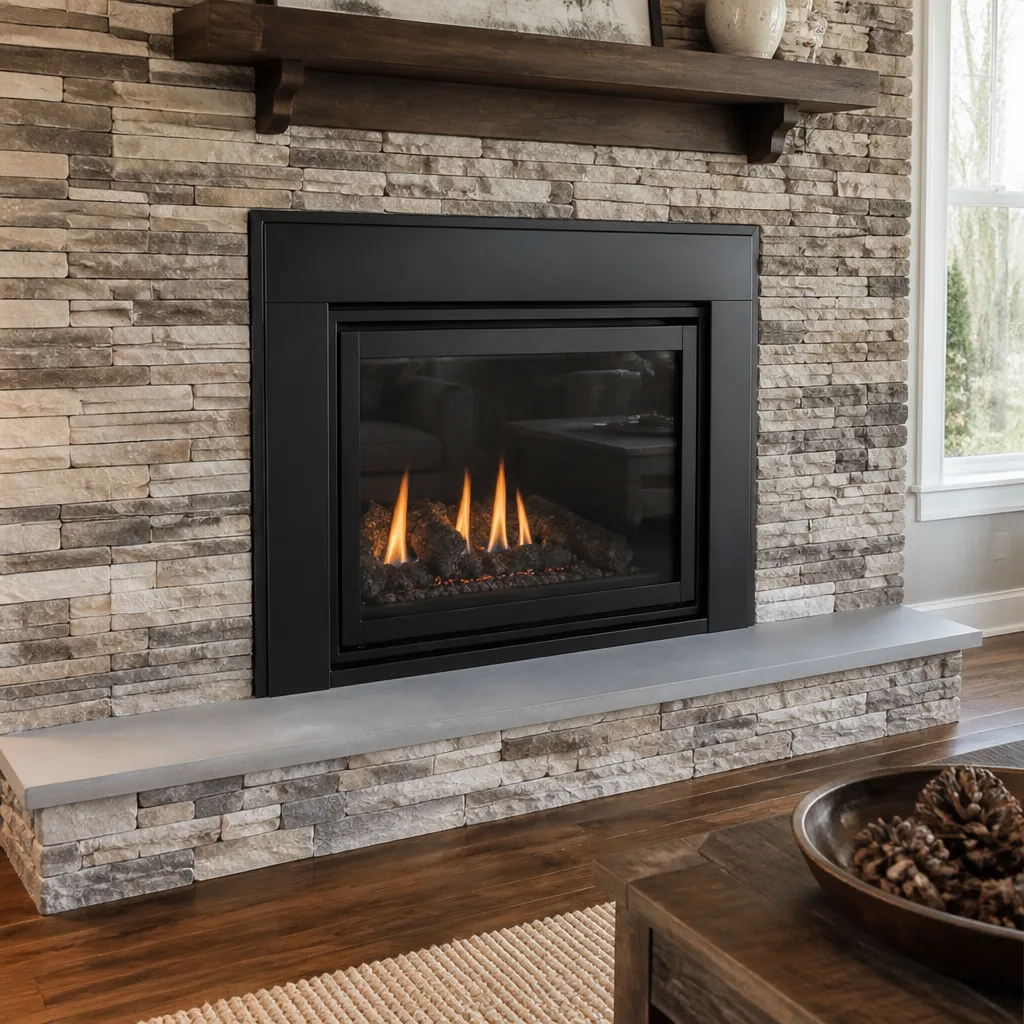 Gas fireplace service
Level 1 sweep and inspection to the NFPA 211 annual standard - flue, crown, cap, and flashing checked and photographed
Chimney sweep logs do not sweep chimneys. They loosen some creosote - which then falls where a brush and vacuum still have to collect it.
Chimney Cleaning Emergency Preparedness Guide for Norman Homes
A chimney fire doesn’t always announce itself with a roar. Sometimes it’s a low crackling that sounds like the fire is just settling, a faint smell of intense heat, smoke that doesn’t behave the way it should. Homeowners have closed the glass doors, gone to bed, and slept while the flue above them kept burning. That gap between what a chimney fire sounds like in movies and what it sounds like in a Norman living room is where this guide starts. A clean chimney is a fire-safety decision, not a maintenance checkbox. We’ll cover how to recognize an active chimney fire, what to do in the right order, how to triage storm damage after an Oklahoma severe weather event, and what to photograph for an insurance claim. By the end you’ll have a decision framework you can act on without panicking.
Quick Answer
If you suspect a chimney fire in your Norman home, close the damper, get everyone outside, and call 911 from outside the house – do not open windows near the fireplace and do not try to put water down the flue. After any chimney fire or major storm event, keep the chimney out of service until a post-fire inspection confirms the flue liner, damper and crown are sound. Storm damage breaks down into two buckets: toppled caps, displaced flashing and cracked crowns that let water in are urgent, while cosmetic spalling and loose mortar joints can usually be scheduled.
Styles & brands we work with
- Sweep & inspection
- Caps & crowns
- Flue relining
- Masonry repair
- Gas fireplace service
Table of Contents
- How Do You Know If It’s an Active Chimney Fire?
- What Is the Correct Response Sequence for a Chimney Fire?
- What Happens After the Fire Is Out?
- Storm Damage Triage After an Oklahoma Severe Weather Event
- What to Document for an Insurance Claim
- How to Prepare Your Norman Chimney Before the Season
- Repair Options: Restoration vs. Replacement
- Common Mistakes to Avoid
How Do You Know If It’s an Active Chimney Fire?
A chimney fire is burning creosote inside the flue, not wood on your grate. That distinction matters because creosote fires can burn hot and fast or smolder slowly for a long stretch, and the slow ones are the ones homeowners miss. The signals fall into three groups: what you hear, what you smell, and what you see.
What you hear:
- A low crackling or popping that continues after you’ve stopped adding wood and the firebox fire looks calm.
- A rumbling or humming sound from the flue, sometimes described as a distant train or a low roar.
- Any sound that seems to travel through the chimney itself rather than the firebox.
What you smell:
- A sharp, intense heat smell, distinct from normal wood smoke.
- A hot, almost metallic or acrid odor that lingers in the room.
- Smoke smell in a room where the fireplace isn’t lit, or coming from a different part of the house.
What you see:
- Dense, rolling smoke from the chimney top (not the thin wisp of a normal burn).
- Visible glow in the flue above the damper when you look up from the firebox.
- Heat radiating from the firebox door or the chimney breast wall that feels intense to the touch.
- Pieces of creosote or debris landing on the roof or ground near the chimney.
In Norman, where a lot of homes have wood-burning fireplaces that see use through cool evenings well into the shoulder seasons, the slow smoldering chimney fire is the most common scenario we hear described. The firebox flame goes out, the homeowner assumes the fire is over, and the flue keeps burning. If anything on that list is happening in your house, treat it as active until proven otherwise.
What Is the Correct Response Sequence for a Chimney Fire?
The correct order is: close the damper, evacuate, call 911. Everything else comes after. That sequence is short, but each step matters, and a few common instincts actually make things worse.
- Close the damper. Cutting the air supply to the flue slows the burn and reduces the draft feeding it. Get it closed and get away from the fireplace.
- Get everyone outside. No gathering belongings, no checking on the roof. Everyone out of the house and to a spot well away from the chimney side.
- Call 911 from outside. Do not call from inside the house while the fire is still potentially active.
- Wait for the fire department. Even if the fire seems to have knocked itself down, let them confirm.
- Do not use the chimney until it’s been inspected. Not once. Not “just for a small fire.”
Two things homeowners try that make a chimney fire worse. The first is opening a window or door near the fireplace to “let smoke out.” That does the opposite of what you want: it feeds oxygen into the firebox and can intensify a flue fire. The second is throwing water down the chimney or into the firebox. Water hitting a flue that’s hot from a creosote fire can cause thermal shock to the clay liner tiles, cracking them in a way that wasn’t happening before you intervened. Leave the extinguishing to the fire department.
A word on the firebox fire versus the flue fire. If the fire on your grate gets out of hand, that’s a household fire response and the extinguisher or a bucket of water applies. A flue fire is different, and it’s the one that tempts people to try tactics that cause liner damage. When in doubt, treat it as the flue fire.
What Happens After the Fire Is Out?
After a chimney fire, the chimney is out of service until a post-fire inspection says otherwise. A quick visual check from the firebox or from the ground is not sufficient, and that’s the point most homeowners miss. A creosote fire burns at temperatures that can crack a clay flue liner tile where you can’t see the crack, warp a damper, or open a joint between tiles. The damage lives inside the flue, which is exactly where you can’t look.
A proper post-fire inspection should include:
- A camera inspection of the flue from top to bottom, not a flashlight glance from the firebox. Cracks, gaps and spalling are often only visible on camera.
- A check of the damper for warping or failure to close fully.
- A crown and cap check for heat damage, cracking or displacement.
- A look at the flashing and roof penetration for heat-related damage to the sealant or metal.
- A written report with photos documenting what was found, in a form you can keep for insurance or records.
If the camera inspection shows a liner that’s compromised, the question becomes whether the flue can be restored or needs a new liner. That’s where material choice starts to matter. A HeatShield ceramic resurfacing application can restore a deteriorating but structurally sound flue liner without a full replacement, which is the honest, cost-conscious path when the underlying masonry is still sound. When the flue configuration is irregular or the liner is beyond restoration, a DuraFlex flexible liner system is the tool that makes those non-standard retrofits possible. We tell you which path the inspection supports and why. If your flue can be restored instead of replaced, we’ll tell you that.
Storm Damage Triage After an Oklahoma Severe Weather Event
After a storm rolls through Norman, homeowners walk around the yard and look up at the roof. Chimneys tend to get judged by what you can see from the ground, and that’s often not the whole story. The useful question after a storm is which damage is urgent and which can be scheduled, and that comes down to whether the damage lets water or animals into the flue or flue system.
Urgent – get on it quickly:
- Toppled or displaced cap. A missing cap opens the flue to rain, which means water down the flue, into the firebox, and into the smoke chamber. It also lets birds and squirrels in.
- Cracked or displaced crown. The crown is the concrete top that sheds water away from the chimney. A crack or a separated crown lets water pool at the top of the masonry, and water in masonry leads to freeze damage and spalling over the seasons.
- Displaced flashing. Flashing is the metal seal where the chimney meets the roof. When it’s lifted or torn, the leak tends to show up inside the house, not at the chimney.
- Visible damage to the liner or any smoke or heat escaping inside the flue after a lightning strike or nearby strike. Treat the chimney as out of service until inspected.
Schedulable – but don’t forget it:
- Spalled brick faces or loose mortar joints on the chimney exterior.
- A cap that’s intact but looking worn.
- Cosmetic staining or efflorescence on the masonry.
One Norman-specific note: storms in this part of Oklahoma often come with wind-driven rain that finds its way into small openings a dry-day inspection wouldn’t flag. If a chimney cap was already a little loose before the storm, the storm is the moment it failed. An Olympia Chimney or Gelco cap replacement is straightforward, and the point is to do it before the next rain event, not after.
What to Document for an Insurance Claim
Insurance adjusters work from evidence. The homeowner’s job after a chimney fire or storm damage is to hand over a documented record of what happened to the chimney and what’s needed to fix it, and the time to gather it is before the adjuster visits. Specific documentation also protects you from the adjuster having to make an estimate based on the roof-line view alone.
- Photograph the chimney exterior from multiple angles – front, side, and from a position that shows the cap, crown and flashing clearly.
- Photograph the firebox and the smoke chamber opening after the fire is out, including any visible creosote, warping or discoloration.
- Get a camera inspection report with photos of the flue interior. A written report from a chimney inspection is the single most useful document for an adjuster reviewing a post-fire claim.
- Keep the written estimate or scope of work listing the materials by name: DuraFlex liner system, HeatShield resurfacing, Gelco or Olympia Chimney cap, Copperfield components where used. Adjusters compare materials, and a vague “chimney repair” line item gets negotiated down.
- Save the fire department report or incident number if 911 was called.
- Photograph any water intrusion inside the house after a storm, along with the chimney location, so the leak path is clear.
The reason brand names go in the paperwork is simple: “quality parts” is not a specification. DuraFlex, HeatShield, Gelco, Olympia Chimney, Famco and Copperfield are the trade-grade names that show up in new construction and major restorations. Putting the actual product in the claim documents makes the adjuster’s job clearer and yours easier. We disclose the brand names upfront so you can research exactly what’s going on your home.
How to Prepare Your Norman Chimney Before the Season
Most of the emergency content in this guide is about what to do after something goes wrong. Prevention is the part you can act on before the season starts, and it’s not complicated. The single most effective step is a chimney sweep that removes creosote from the flue before the first fire of the season. Creosote is the fuel that chimney fires burn, and less of it in the flue means less to burn.
A pre-season checklist for a Norman home:
- Book the sweep before the first cool evening, not after. The early fall window is easier on scheduling than the first cold snap.
- Have a camera inspection done at the same time. The inspection catches cracks, spalling and gaps that sweeping alone won’t identify. Sweep, repair and inspection handled by the same team means nothing gets lost between contractors.
- Check the cap and crown. If the cap is missing or the crown is cracked, fix it before the rains come.
- Test the damper. It should open and close smoothly and seat fully. A damper that won’t close properly is a draft problem and a safety problem.
- Check the firebox mortar and the smoke chamber. Loose mortar in the firebox is a repair item; loose or crumbling smoke chamber parging is where HeatShield resurfacing comes in.
- Confirm the chimney is up to code for the appliance you’re burning. If you’ve added a gas insert or changed appliances since the last inspection, that’s the moment to have it inspected.
In Norman, the burn season tends to open with a few cool evenings in fall and then settle in. The homeowners who get ahead of it are the ones who book the sweep in late summer or early fall, when there’s room in the schedule. The ones who call after the first fire are the ones who find out in October that their flue needed attention in August.
Repair Options: Restoration vs. Replacement
When a post-fire inspection or a storm inspection turns up a problem inside the flue, there are two paths: restore the existing liner or replace it. The choice depends on what the camera sees, not on what’s simplest to sell. Here’s how we think about it.
Restoration with HeatShield ceramic resurfacing makes sense when the flue liner is deteriorating but the underlying masonry is structurally sound. The liner is resurfaced from the inside, sealing gaps and cracks and restoring a smooth flue surface. It’s a repair path that preserves the existing structure and avoids the cost and disruption of a full liner replacement. Most general handymen can’t offer it, and it’s the honest option when the chimney doesn’t need a full reline.
Replacement with a DuraFlex flexible liner system is the right call when the flue is compromised beyond restoration, or when the flue configuration is irregular and a rigid liner can’t follow it. Flexible liner systems handle offsets and non-standard flue shapes that rigid liner work has to turn away. When the liner does need to come out, the flexible system is what makes the retrofit possible.
Either way, the material is trade-grade, not a hardware-store substitute. We work with DuraFlex, HeatShield, Gelco, Olympia Chimney, Famco and Copperfield because those are the names that hold up. We tell you exactly what we’re putting in your chimney and why, and the inspection report gives you the evidence to decide for yourself. Nothing gets recommended without camera evidence you can see. If you want a second look before committing, the chimney repair page walks through how the decision gets made. When the work can safely wait, we say so.
Common Mistakes to Avoid
- Assuming a quiet fireplace means the fire is over. A low crackling and a heat smell after you’ve stopped adding wood is the signature of a slow smoldering chimney fire. If the firebox looks calm but the flue sounds active, treat it as a fire and call 911 from outside.
- Opening a window or door near the fireplace to clear smoke. That adds oxygen to the flue and can intensify a chimney fire. Close the damper and get out.
- Dousing a flue fire with water. Water hitting a hot clay liner can crack tiles that were fine before you intervened. Leave extinguishing to the fire department.
- Skipping the camera inspection after a fire. A visual check from the firebox can’t see a cracked liner tile or an open joint inside the flue. The camera inspection is the only way to know the flue is safe to use again.
- Waiting to replace a storm-damaged cap. Norman storms come with wind-driven rain. A missing or lifted cap lets water straight down the flue and into the firebox, and the resulting damage is usually larger than the cap replacement would have been.
- Handing an adjuster a vague estimate. A claim line that says “chimney repair” gets negotiated down. A claim line that names DuraFlex, HeatShield, Gelco or Olympia Chimney gives the adjuster something specific to approve.
- Lighting the fireplace after a chimney fire without an inspection. Even if the fire knocked itself out and the house looks fine, the flue may not be. Keep it out of service until the inspection report says otherwise.
When to Call a Professional
Call a professional after any chimney fire, before lighting the fireplace again. Call after any storm that produces visible damage to the chimney cap, crown, flashing or masonry, or that leaves water inside the firebox. Call before the burn season starts, even if nothing seems wrong, so a sweep and a camera inspection can confirm the flue is clear and sound. Call if you smell smoke in the house when the fireplace isn’t lit, if the damper won’t close fully, or if you’ve changed appliances and haven’t had the chimney inspected since. For a seller or buyer in an older Norman home, call for an inspection report you can hand to the other side of the transaction. Chimney Sweep Norman offers free estimates in Norman – call (888) 561-3468. We answer 24/7. Fast dispatch from 7am to 7pm, Sunday through Friday.
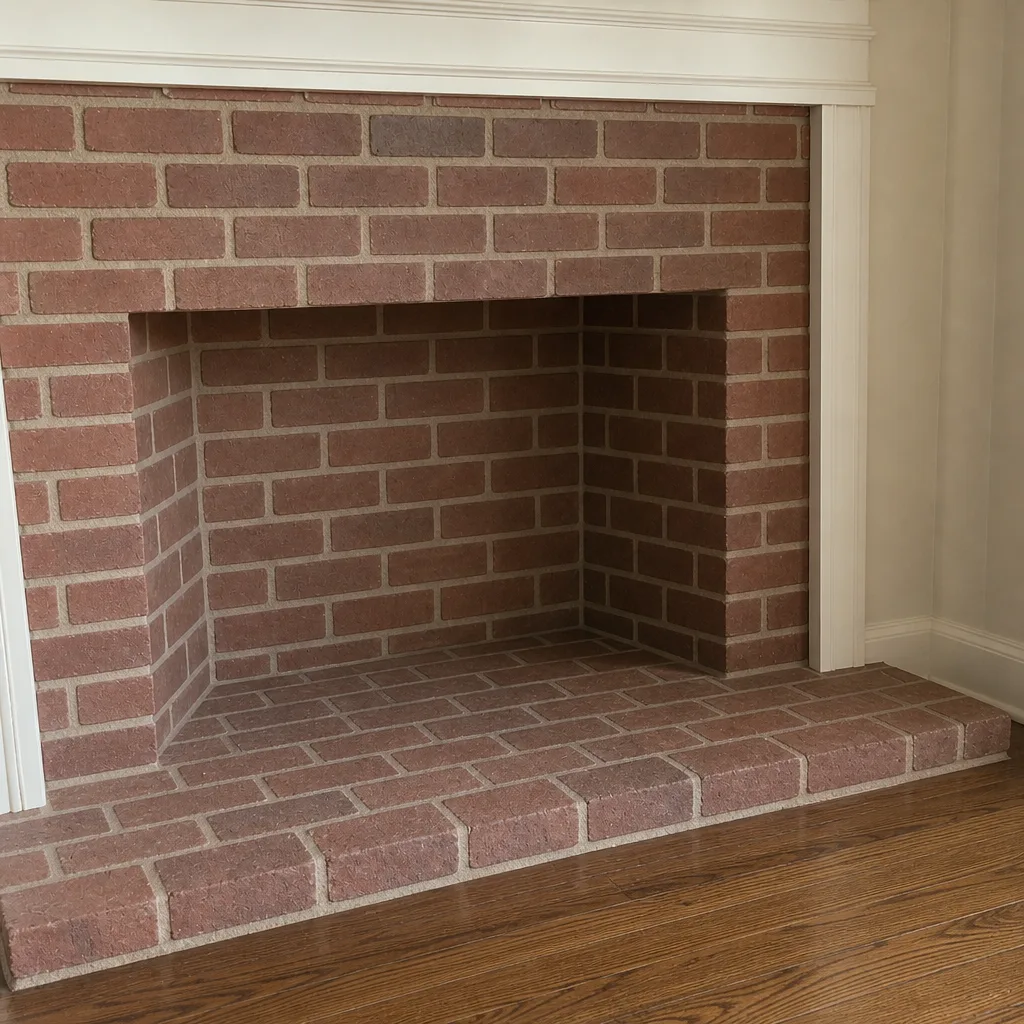
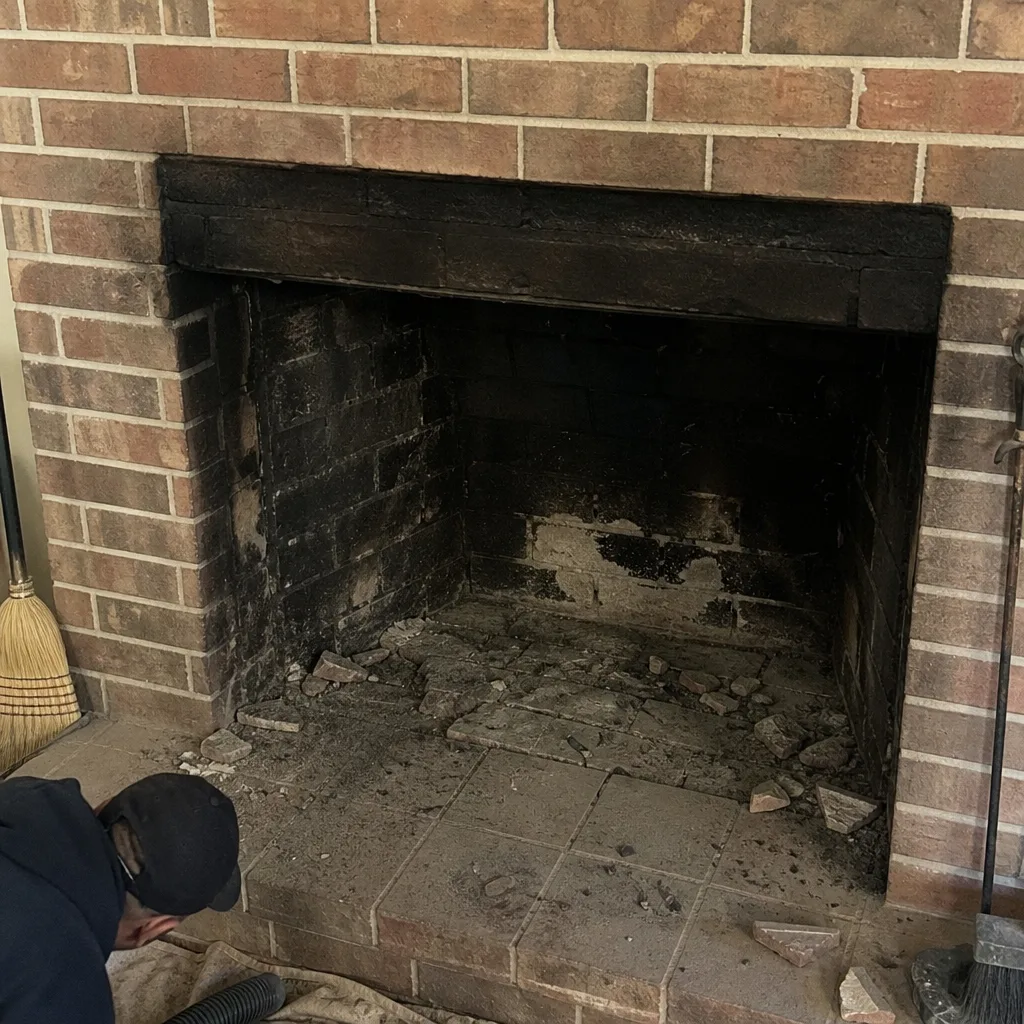
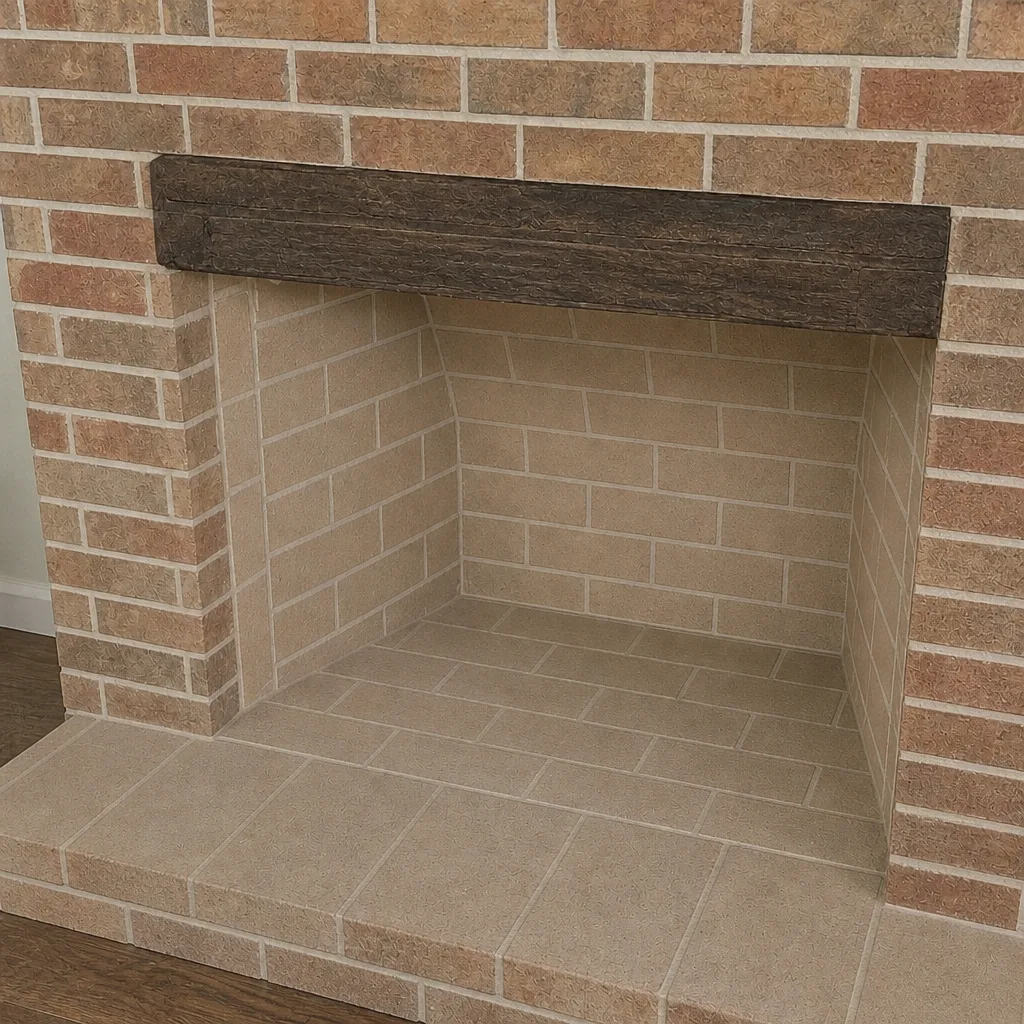
See the difference
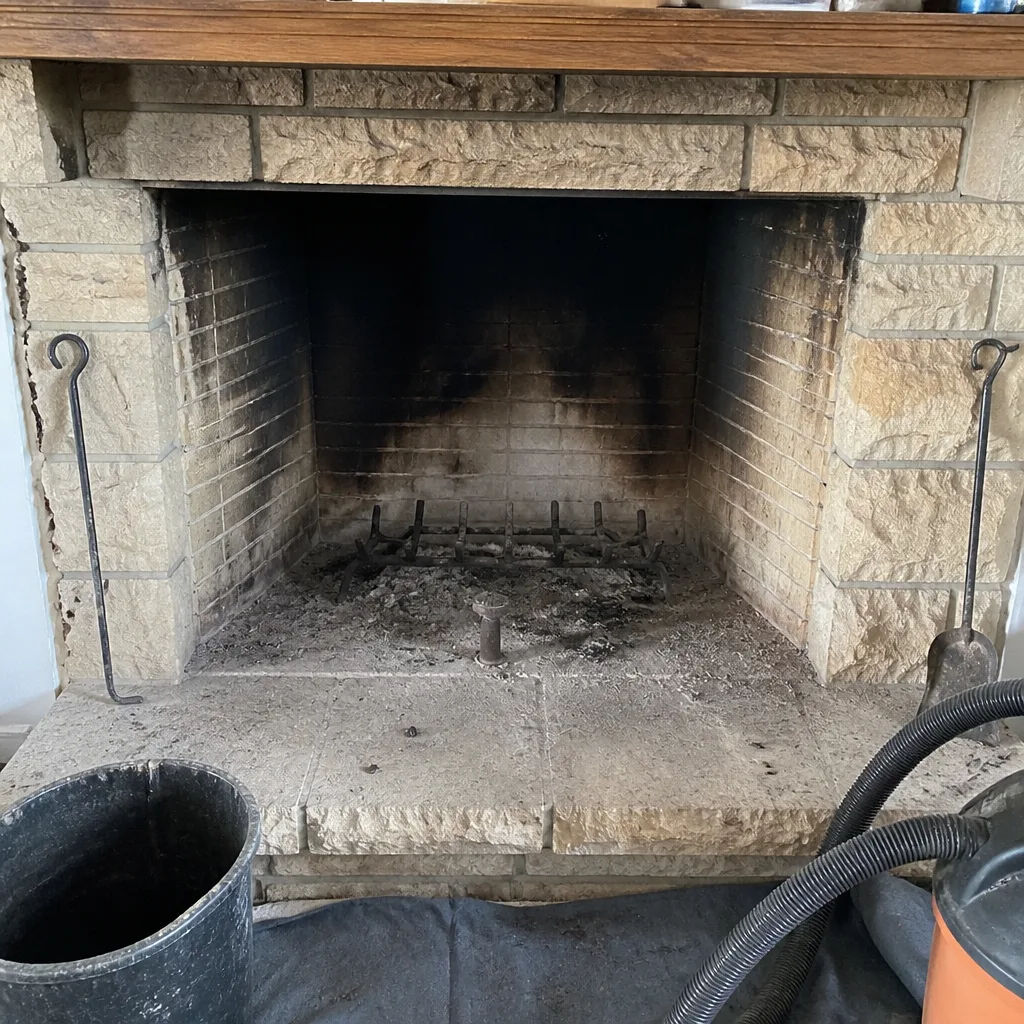 Before
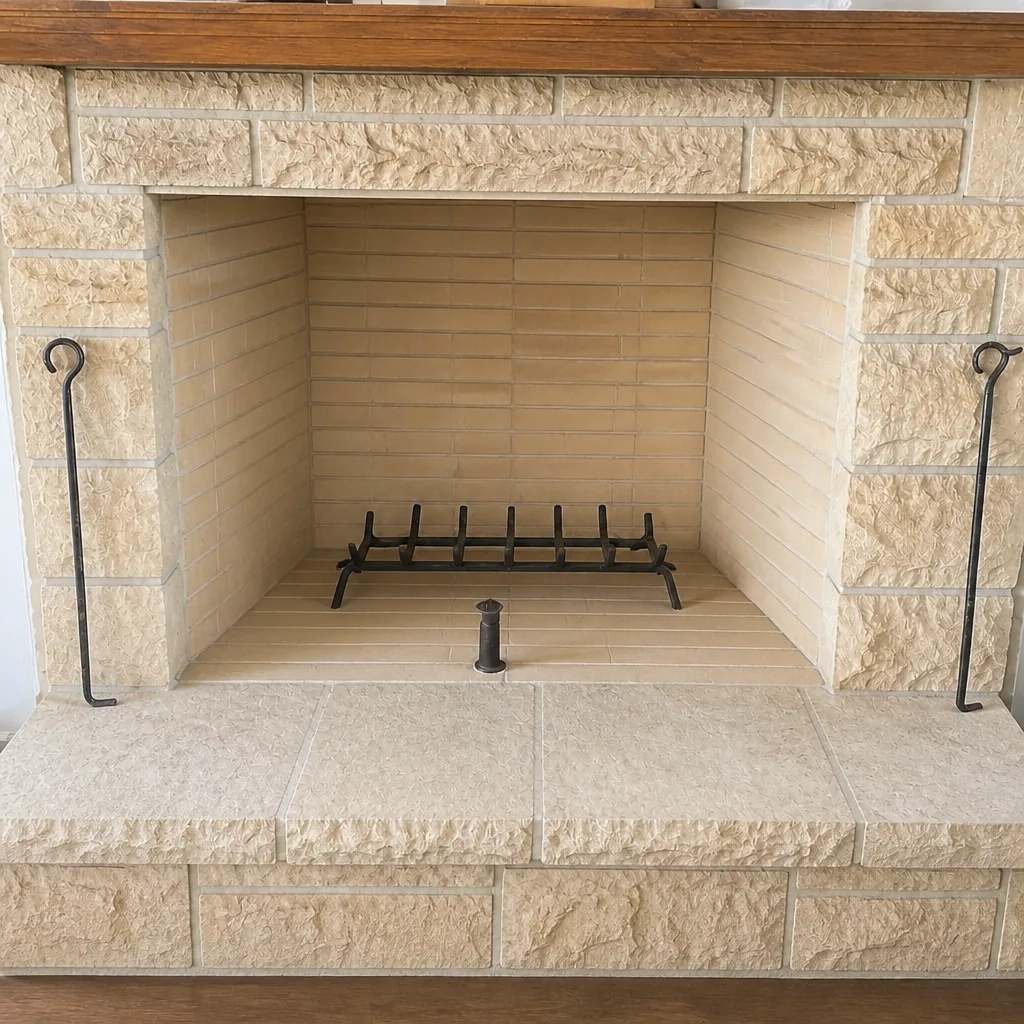 After
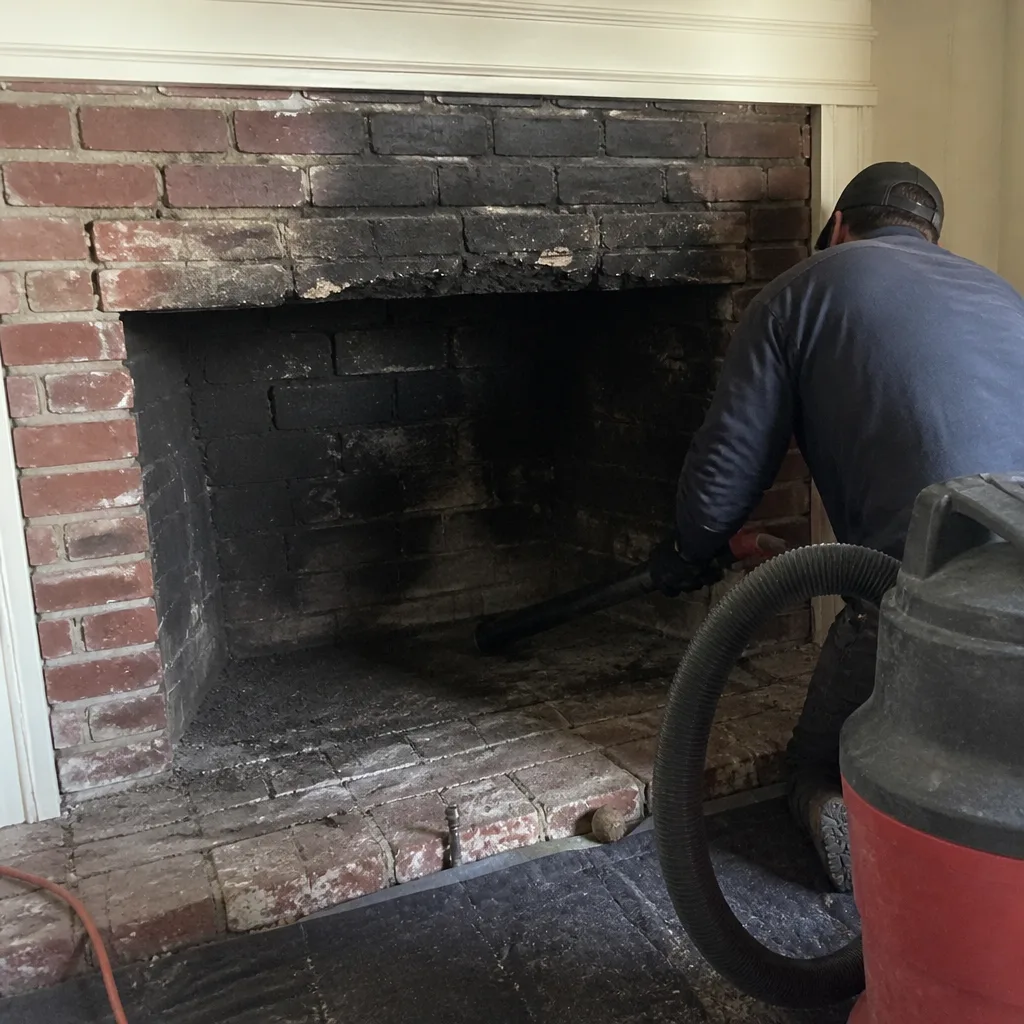 Before
 After
 Before
 After
Frequently Asked Questions
Close the damper, get everyone out of the house, and call 911 from outside. Do not open windows near the fireplace and do not throw water down the flue. After the fire department confirms the fire is out, keep the chimney out of service until a camera inspection confirms the flue is sound. Call (888) 561-3468 for an exact quote on the post-fire inspection – estimates are free.
Not until a post-fire inspection has confirmed the liner, damper, crown and flashing are sound. A visual check from the firebox is not enough, because the damage from a creosote fire usually lives inside the flue where you can’t see it. The inspection report with camera photos is what tells you it’s safe.
Yes, and that’s the case that worries us most. A slow smoldering creosote fire can burn for a long stretch with a low crackling and a heat smell that homeowners mistake for a normal fire. If the firebox looks calm but the flue sounds active or the room smells of intense heat, treat it as a fire and call 911.
Anything that lets water or animals into the flue is urgent: a toppled or displaced cap, a cracked or separated crown, and displaced flashing at the roof line. Spalled brick faces and loose mortar joints on the exterior can usually be scheduled. In Norman, wind-driven rain after a storm finds the small openings fast, so a cap repair before the next rain event matters.
Photograph the chimney exterior from multiple angles showing the cap, crown and flashing, the firebox and smoke chamber after the fire is out, any water intrusion inside the house, and the fire department incident number if 911 was called. Then add a camera inspection report with photos of the flue interior and an estimate that lists the materials by name – DuraFlex, HeatShield, Gelco, Olympia Chimney, Famco or Copperfield as applicable.
Once a year is the usual baseline for a wood-burning fireplace that sees regular use, and more often if you burn a lot of wood or notice creosote buildup at the last sweep. The only way to know for certain is to have the flue looked at. Call (888) 561-3468 for an exact quote on a chimney sweep – estimates are free. We answer 24/7. Fast dispatch from 7am to 7pm, Sunday through Friday.
The Bottom Line
Chimney emergencies in Norman split into two categories – active chimney fires and post-storm damage – and each has a specific response. A suspected chimney fire means closing the damper, evacuating, and calling 911 from outside, then keeping the chimney out of service until a camera inspection clears it. Storm damage triage comes down to whether water or animals can get in: caps, crowns and flashing are urgent, cosmetic masonry is schedulable. Document everything with photos and a written inspection report, and put the material names in the paperwork. The best preparation is the one you do before the season, when there’s room in the schedule and no fire on the grate. Our technicians have up to experience, and we work with homeowners across Norman on exactly these decisions.
Contact
If you’re in Norman and you’ve had a chimney fire, a storm just came through, or you want to get ahead of the season, call (888) 561-3468 for a free estimate. We answer 24/7. Fast dispatch from 7am to 7pm, Sunday through Friday. Sweep, repair, and inspection handled by the same team, with the material names in the estimate so you know exactly what’s going into your chimney. Reach out to Chimney Sweep Norman and we’ll talk through what your chimney needs and what it can safely wait on.
Written by the team at Chimney Sweep Norman.