
Last updated November 15, 2026
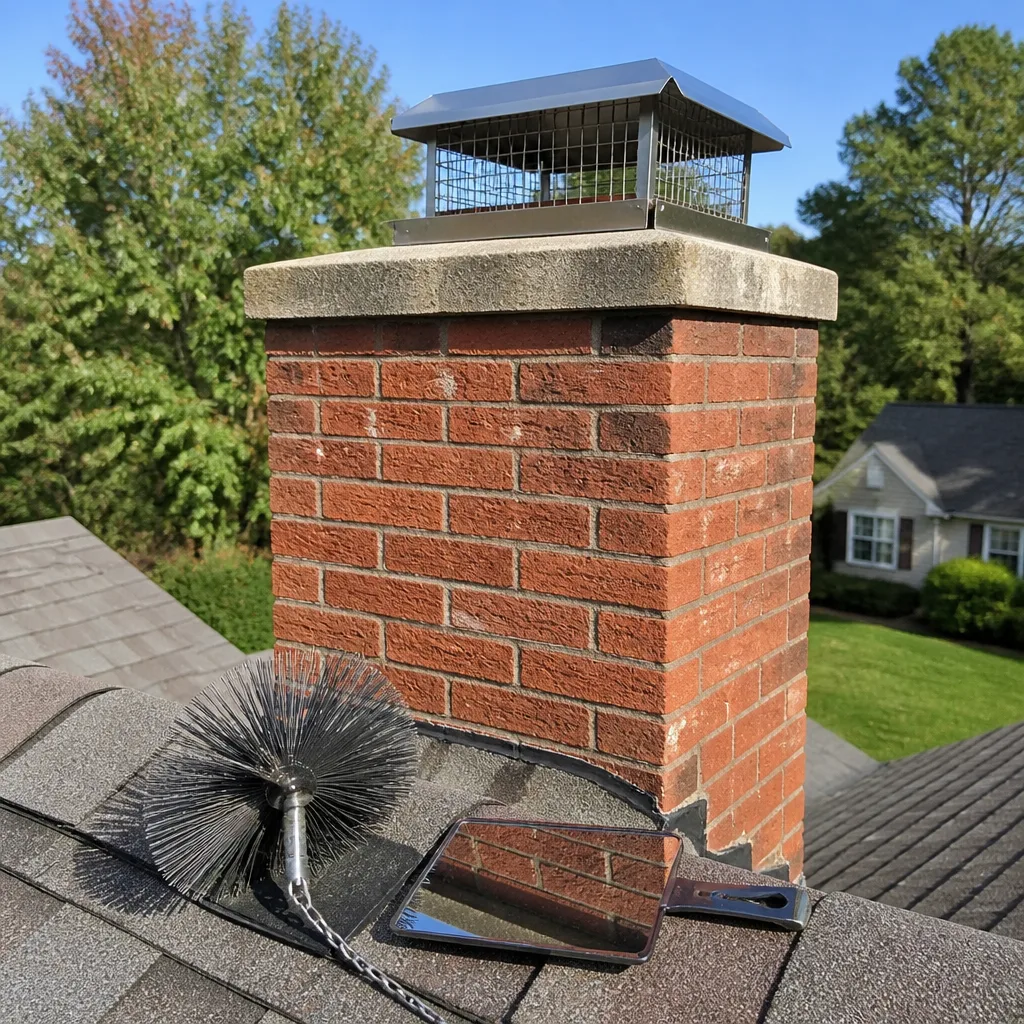 Sweep & inspection
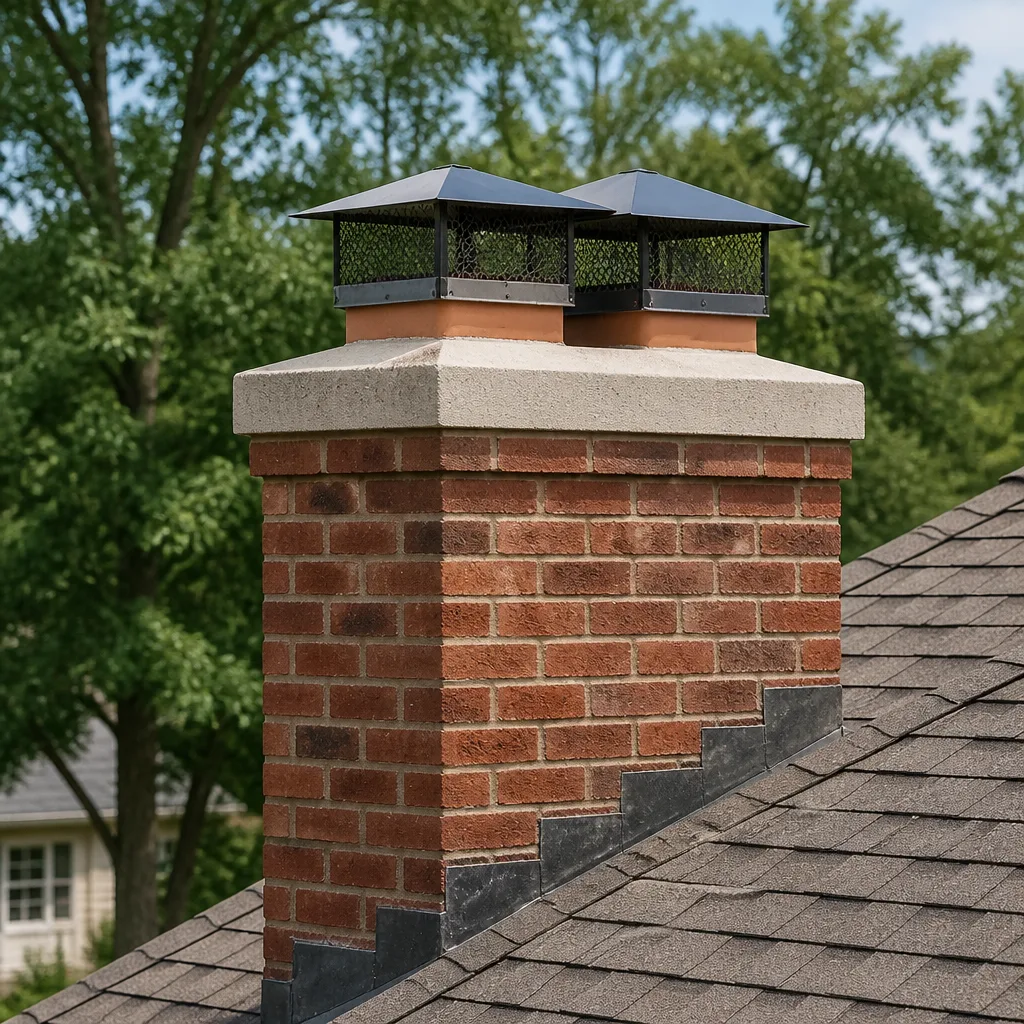 Caps & crowns
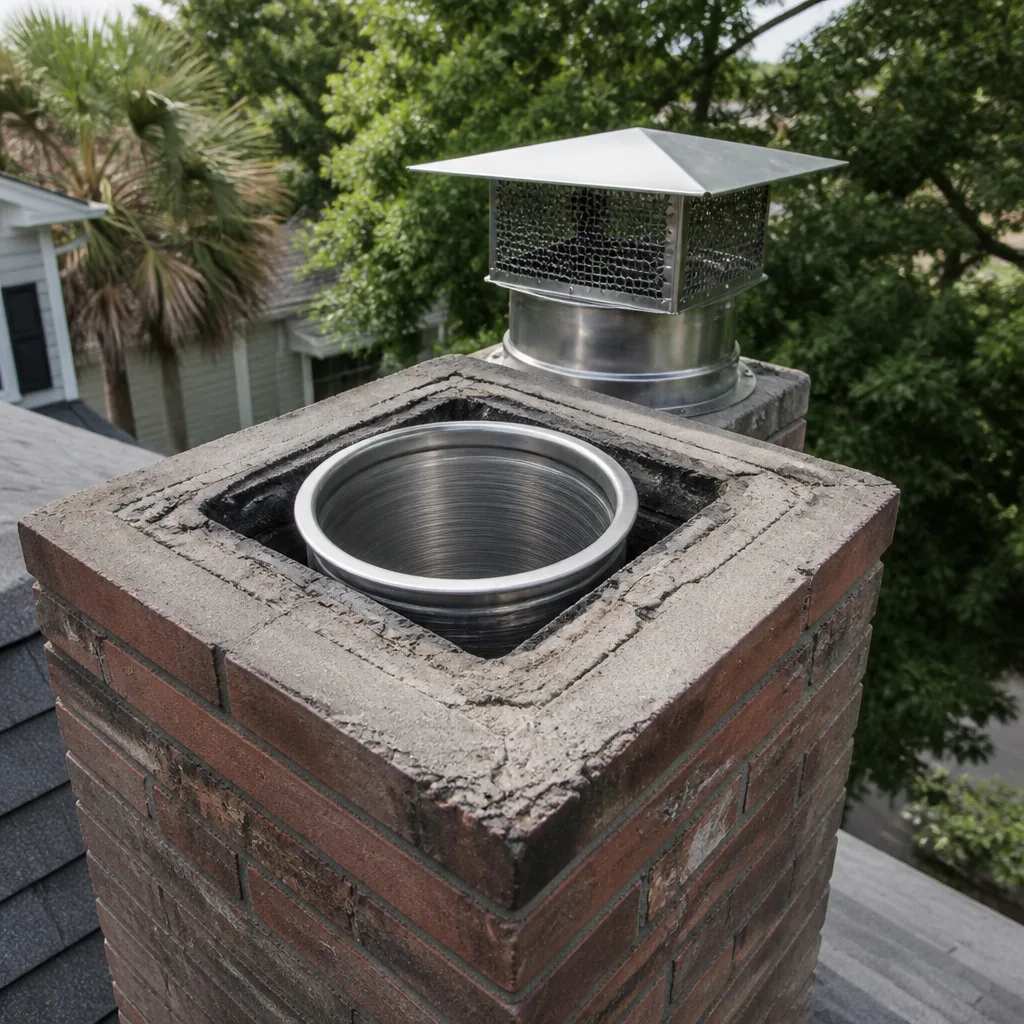 Flue relining
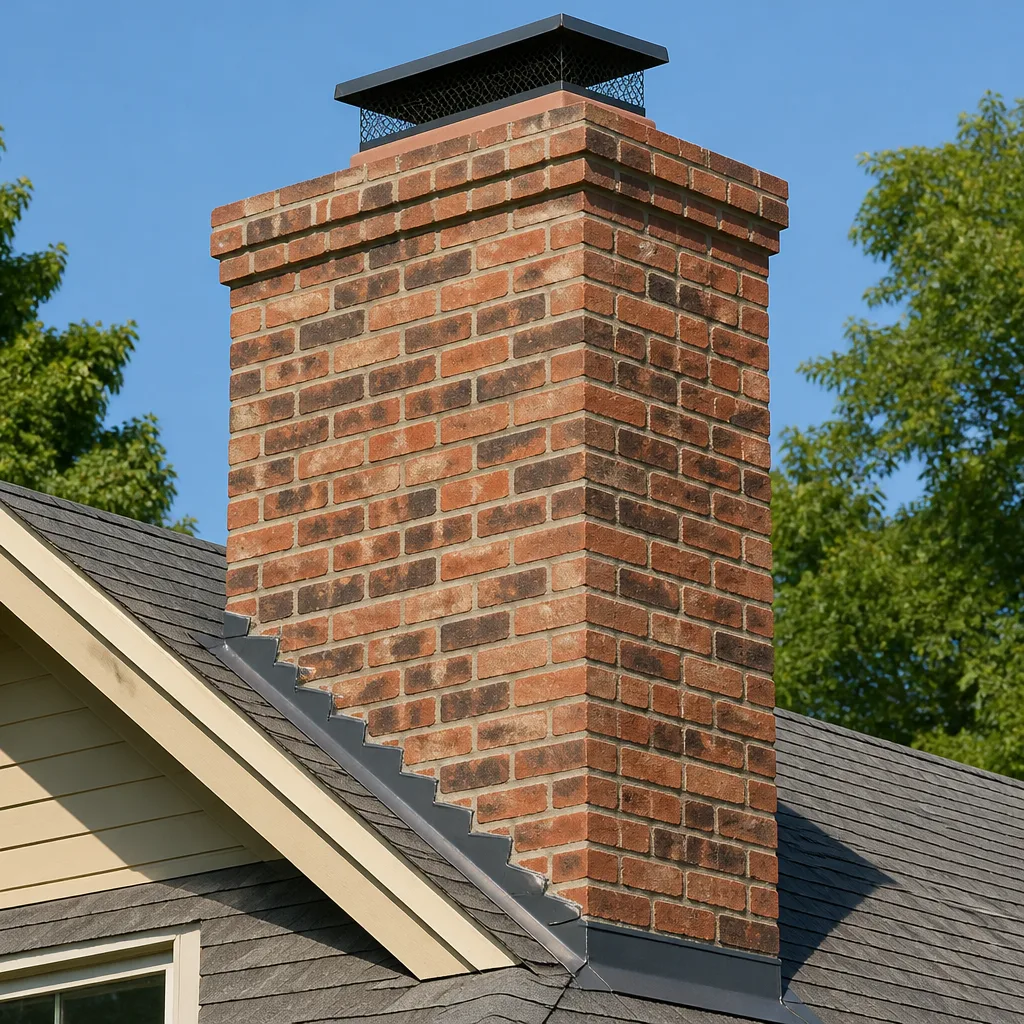 Masonry repair
 Gas fireplace service
Level 1 sweep and inspection to the NFPA 211 annual standard - flue, crown, cap, and flashing checked and photographed
Chimney sweep logs do not sweep chimneys. They loosen some creosote - which then falls where a brush and vacuum still have to collect it.
Chimney Sweep Troubleshooting in Norman: Common Problems and How to Fix Them
If your fireplace smokes into the room only on cold starts but drafts fine after ten minutes, that’s not a dirty flue. That’s a cold-air column problem, and sweeping the chimney won’t change it. Homeowners in Norman run into this constantly, and the usual reflex is to book a sweep when the real cause sits somewhere else entirely: a blockage, a pressure imbalance in the house, or a flue that no longer draws because the liner has cracked. This guide maps the symptoms you can actually see and smell to the mechanical causes behind them, so you can describe the real problem before a technician is ever on your driveway. Sweep, repair, and inspection handled by the same team is how Chimney Sweep Norman works, and that scope matters here because the fix depends on which layer of the problem you’re dealing with.
Quick Answer
Most chimney problems in Norman come down to one of three things: creosote and blockage, a cold flue that won’t start drafting, or a structural failure like a cracked liner, spalled masonry, or a failed cap. The symptom tells you which category you’re in. Smoke that appears only at cold start and clears on its own points to the cold-air column. Smoke that never clears means a blockage or negative pressure. Stains and smells point to water or structural damage. Matching the symptom to the cause is what keeps you from paying for a sweep you don’t need.
Styles & brands we work with
- Sweep & inspection
- Caps & crowns
- Flue relining
- Masonry repair
- Gas fireplace service
Table of Contents
- Why Your Fireplace Smokes and What the Timing Tells You
- Cold-Air Column, Blockage, or Negative Pressure: Three Causes, Three Fixes
- Creosote Smell in Summer vs. Musty Smell After Rain
- Reading Stains: What the Color and Location Tell You
- The Visual Check You Can Safely Do From the Firebox
- Creosote Stages and Why They Matter in Norman’s Burning Season
- Which Online “Fixes” Address Symptoms and Which Address Causes
- Repair Options: HeatShield Restoration vs. DuraFlex Relining
Why Your Fireplace Smokes and What the Timing Tells You
Timing is the most useful diagnostic tool a homeowner has, and almost nobody uses it. When a fire smokes, the question isn’t “is the chimney dirty” – it’s “when exactly does the smoke appear, and does it stop?” The answer to that narrows the cause faster than any other single observation.
A fire that smokes for the first ten to fifteen minutes and then settles into a clean burn is almost always fighting a cold flue. Warm air inside the chimney is what pulls smoke up and out. When the flue is the same temperature as the outside air, or colder, there’s nothing driving that upward pull yet, so smoke spills into the room until the fire itself warms the flue enough to start the draft. That’s a starting problem, not a cleaning problem.
A fire that smokes continuously, no matter how long it burns, is a different animal. That’s a flue that can’t draw at all, and the causes are mechanical: a nest, a collapsed liner section, a cap that’s clogged with debris, or a house that’s pulling harder in the opposite direction. In Norman, where homes range from older bungalows near campus to newer construction on the edges of town, we see both failure patterns regularly, and they call for completely different work.
A third pattern worth knowing: a fire that burns fine on mild days and smokes only when it’s cold and windy outside. That points to pressure. Wind over the chimney top, combined with a tight house and a strong kitchen or bath exhaust fan, can overpower the draft. The fire isn’t the problem. The house’s air balance is.
Write down what you observe before you call. “It smokes when I start it and stops after a few minutes” tells a technician far more than “it smokes.” That single sentence can save you the cost of a sweep you didn’t need and point straight at the fix.
Cold-Air Column, Blockage, or Negative Pressure: Three Causes, Three Fixes
Three completely different problems produce the identical symptom of smoke entering the room. They need three different solutions. Sorting out which one you have is the whole job, and it’s worth walking through carefully because the wrong fix wastes money and leaves you exactly where you started.
Cold-air column
This is the cold-start smoking described above. The flue is cold, the draft won’t establish, and smoke spills until the fire warms things up. The fix isn’t a sweep – it’s a priming routine: burn a rolled newspaper torch held near the damper to warm the flue before you light the fire, or run a small hot fire first. If the cold-air column is severe, a top-sealing damper with a proper cap setup can help, and that’s a repair conversation, not a cleaning one. If you’re reasonably handy and comfortable with a small flame near the damper, priming is the least expensive fix in this entire guide.
Blockage
A nest, a fallen liner fragment, or heavy creosote can physically block the flue. Smoke has nowhere to go but back into the room. This is the pattern that never clears, no matter how long the fire burns. It’s also the one where a sweep and a proper inspection are genuinely necessary – and where checking before you burn matters, because a blocked flue is a carbon monoxide path into the house. Don’t burn a fire you know won’t draw.
Negative pressure
The house is pulling harder than the chimney. Modern homes are tight, and a powerful range hood, a bathroom exhaust fan, or a furnace pulling combustion air can depressurize the living space enough to reverse the flue. The tell is smoke that appears when another appliance runs, or only on windy days. The fix is air balance: crack a nearby window before lighting a fire, or have a technician look at whether the home needs a dedicated outside air supply. Sweeping the chimney does nothing for this. Neither does a new liner.
Here’s how to sort out which one you have before you call:
- Light a small fire and time how long it smokes. Ten minutes then clear points to cold-air column. Continuous points to blockage.
- Open a window an inch or two while the fire burns. If the smoking stops, you’re dealing with negative pressure.
- Turn on every exhaust fan in the house, one at a time. If smoke appears when a specific fan runs, that’s your culprit.
- Look up the flue from the firebox with a flashlight. If you can’t see daylight at the top, suspect a blockage and stop burning.
If those four steps leave you unsure, an inspection will settle it. We’d rather tell you your flue needs nothing than sell you a sweep for a problem that lives in your kitchen exhaust.
Creosote Smell in Summer vs. Musty Smell After Rain
The smell in your firebox in the off-season is a diagnostic signal, and the two most common ones point at very different structural issues. Getting this right matters because one is a combustion residue problem and the other is a water intrusion problem.
A sharp, tarry creosote smell in summer – that acrid, almost barbecue-like odor that gets worse on hot, humid days – means there’s a creosote deposit in the flue, and heat plus humidity is volatilizing it. It’s telling you the flue has enough buildup to smell, which means it’s also enough buildup to burn. Creosote in its glaze stage is the fuel that drives chimney fires. If you smell it in July, that’s a strong argument for booking a sweep before the first cold snap rather than after.
A musty, damp, wet-basement smell after rain means water is getting into the chimney system. That’s usually a failed cap, cracked crown, or missing mortar joint letting rain in. Water and masonry don’t mix – repeated wetting causes spalling (masonry flaking off), and it can rust a stainless liner or degrade a clay flue. The smell after rain is your early warning that the top of the chimney needs attention. A Gelco cap or a proper crown repair is often the whole solution, and addressing it early is what keeps a small repair from turning into masonry work.
The two smells can coexist, which is the worst case. Creosote plus water is a corrosive combination. If your firebox smells both tarry and musty, you’re looking at a sweep and a top-of-chimney repair, and it’s worth having both looked at in one visit. Sweep, repair, and chimney repair handled by the same crew means we can clean the flue and fix the water source without you coordinating two contractors who each think the other’s work is the issue.
Reading Stains: What the Color and Location Tell You
Stains on your chimney, ceiling, or firebox surround are graded by color and location, and each points somewhere specific. Think of them as the chimney’s version of weather reading – the pattern tells you where the moisture is coming from and how far it’s traveled.
White, chalky stains on the masonry itself
That’s efflorescence, the mineral residue left behind when water moves through masonry and evaporates at the surface. It isn’t harmful on its own, but it’s a reliable indicator that water is traveling through the brick or mortar. Finding the source (usually the cap or the crown) and fixing it is the answer. Ignoring it is what lets the masonry slowly spall.
Brown or yellow stains on the ceiling or wall near the fireplace
Creosote or smoke has found a path out. That often means the liner has cracked or the smoke chamber has gaps. A crack in a clay liner allows smoke and carbon monoxide to escape into the framing rather than up the flue. This one warrants a camera inspection before you burn again, and not a cleaning.
Dark stains on the face of the chimney above the roofline
Ongoing smoke spillage, most often from a cap or crown that isn’t doing its job, or from a flue that’s consistently underdrafting and pushing exhaust out of joints rather than up and out. It may also be a sign the chimney top seal is failing. In Norman, where our storms come through with real wind, a cap that was fine two seasons ago can work loose – a Gelco or Olympia Chimney cap properly installed is what stops that pattern.
Stains around the firebox opening
Soot streaks running down from the top of the firebox? That’s a draft problem pulling smoke toward the opening. A clean, even soot line around the firebox is normal. Hard streaks, especially near the top of the opening or at the corners, mean smoke is escaping the path it should take and you’ve got either a negative pressure problem or a compromised smoke chamber.
Take photos before you call. A camera phone shot of a stain, with a sense of scale from the surrounding brick, tells a technician a surprising amount – and it lets us tell you honestly whether the stain is a watch-and-see or a stop-burning issue.
The Visual Check You Can Safely Do From the Firebox
There’s a limited but genuinely useful inspection a homeowner can do without climbing a ladder, opening a panel, or touching a gas line. Standing at the firebox with a flashlight, you can spot four things that tell you whether to call now or keep an eye on it. What you should not do: reach up inside the flue, remove the damper, take apart the smoke chamber, or get on the roof. Those require training and a safety setup.
- Flaking liner. Shine the light up the flue and look for the clay liner tiles. They should be smooth and continuous. Flaking, gaps between tiles, or missing sections mean the liner’s protective surface is failing and it’s time for an inspection.
- Open mortar joints. Inside the firebox, look at the joints between bricks. Thin, tight, intact joints are fine. Recessed, crumbling, or swept-out joints are structural wear and point to moisture or heat damage.
- Damper operation. Open and close the damper. It should move smoothly and seal reasonably flat when open. A damper that’s stuck partially closed or warped will starve a fire and cause smoking.
- Creosote visibility. Looking up the flue, a thin dusting is normal. Glistening, hard, tarry buildup is glazed creosote and needs a professional sweep before you burn again.
What you can’t see safely from the firebox – the smoke chamber, the top of the flue, the crown, the cap – is where a lot of Norman’s problems hide. That’s the part a camera inspection covers. Our inspection produces a documented assessment with photos you can use for insurance, a real estate transaction, or just your own records. If the liner is sound, we’ll tell you so.
One safety note, and it’s the important one: creosote in its glazed stage is highly combustible, and a chimney fire can start with a flue that looks fine from the firebox. If you can see glazed buildup, or the smell of tarry creosote is strong, don’t burn until it’s been cleaned. A chimney fire isn’t something to test. Call a trained professional.
Creosote Stages and Why They Matter in Norman’s Burning Season
Creosote isn’t a single substance. It forms in three distinct stages, and where yours is on that scale determines what kind of removal the flue needs. This is the part of chimney troubleshooting that homeowners most often get wrong, because the DIY instinct assumes a brush fixes everything.
- Stage 1 – soot and flaky dust. Thin, easy to brush. This is what a routine chimney sweep clears.
- Stage 2 – hard and crusty. Baked onto the flue walls, still brushable with the right tools and a bit of care, but it’s a stronger indicator that the fire has been running cool or the wood hasn’t been well-seasoned.
- Stage 3 – glazed and tarry. This is the dangerous stage. It’s slick, hard, and highly combustible. A standard brush will skate over it and leave it in place. Glazed creosote needs a chemical treatment or rotary equipment to remove safely, and it’s one of the reasons a proper sweep costs more than a quick brush-and-vacuum.
Our burning season runs long enough that many Norman homeowners build creosote faster than they realize. Cool, smoldering fires on damp wood are the classic recipe for it. If you’re using a wood-burning fireplace this winter, dry, seasoned wood burned hot is what keeps you out of the glazed stage. It’s a wood-quality issue first and a cleaning issue second.
If it’s been a while since your last sweep, or you’re not sure it’s ever been done, that’s the threshold where professional eyes matter. Tell us what you see up the flue and we’ll tell you what removal method it calls for before anyone arrives with a brush. That’s the transparency that matters here.
Which Online “Fixes” Address Symptoms and Which Address Causes
There’s a whole market for chimney gadgets sold online – balloons, draft inducers, sealing sprays, magnetic damper covers. Some of them are legitimately useful in the right scenario. Many of them treat a symptom while leaving the cause untouched, which means you’ve spent money and the problem returns the moment conditions change. Here’s the honest read on three of the most common ones.
Chimney balloons and inflatable flue plugs are marketed as a draft blocker for the off-season. They do what they say: they seal the flue when the fireplace isn’t in use, which cuts the winter heat loss and the summer smell. They don’t fix anything. If you have a cold-air column problem or a musty smell, a balloon masks the smell without addressing the water source. Use one as a maintenance tool, not a repair. And never leave one in place when you light a fire – that’s a carbon monoxide path shut off in reverse.
Draft inducers are fans installed at the top of the chimney to force a draw. They genuinely work for negative pressure problems in tight homes where the chimney can’t compete. But they’re addressing the pressure layer, not a liner defect or a blockage. If your flue is blocked or cracked, a draft inducer will push smoke through a damaged liner at higher velocity. It’s the right tool for a specific problem and the wrong tool for others – a diagnosis before purchase, not after.
Sealing sprays and “liner coatings” are the ones we’d steer you away from most firmly. A spray cannot restore a spalled clay liner, and it can trap moisture against masonry that needs to dry. If a liner is deteriorating, the professional repair path is a proper restoration or replacement, not a coating from a spray can. That’s the layer where HeatShield ceramic resurfacing or a DuraFlex liner system comes in – trade-grade materials applied by a trained technician, not a product you apply yourself.
The pattern underneath all three: a gadget can change a symptom, but a cause needs a repair. Tell us the symptom, and we’ll tell you which layer of the problem you’re actually in.
Repair Options: HeatShield Restoration vs. DuraFlex Relining
When the diagnosis lands on a structural repair, there are two main paths for a flue liner, and which one applies depends on the condition of the masonry around it. This is the part where trade-grade brands matter, both because they hold up and because you should know exactly what’s going into your chimney.
HeatShield ceramic resurfacing is the restoration path. It’s a ceramic-based material applied to the inside of a structurally sound flue to restore a smooth, sealed surface. It makes sense when the masonry shell itself is intact but the liner’s inner surface has deteriorated or spalled. The advantage is that it preserves the existing structure instead of tearing it out, which is often the less invasive route. A general handyman can’t do this. It requires specific training and equipment, and we’re trained on it because it’s frequently the right honest answer.
DuraFlex liner systems are the replacement path. They’re a flexible stainless liner that’s installed inside the existing flue, and the flexibility matters for Norman homes with older, irregular, or non-standard flue configurations that a rigid liner can’t navigate. When a flue is too far gone for restoration, or when a gas insert or appliance needs a properly sized dedicated liner, DuraFlex is the tool that handles the geometry. That capability is what lets us take on the odd-shaped flues many contractors turn away.
The honest rule we work by: if your flue can be restored instead of replaced, we’ll tell you that. Restoration is usually the less expensive and less invasive route, but it only applies when the surrounding masonry is sound. A camera inspection is what separates the two, and it’s the only way to make that call correctly. We also handle the smaller repair layer around the liner – a Famco or Olympia Chimney cap, a crown repair, a damper rebuild – because a failed cap is often what let the water in and started the whole chain. Sweep, repair, and inspection under one standard of work means all of those get solved in a coordinated sequence rather than piecemeal.
Common Mistakes to Avoid
- Booking a sweep for a pressure problem. If your fire smokes only when the kitchen fan runs, a sweep won’t fix it. You’ll spend the money and watch the smoke return the next time you cook while burning. Test the window trick first.
- Burning during a known blockage. If you can’t see daylight up the flue, don’t light a fire and “see if it draws.” A blocked flue returns exhaust into the room, and carbon monoxide has no smell or color to warn you.
- Trusting a spray-can fix for a failed liner. Online coating products can’t restore a spalled clay liner and can trap moisture in masonry. A real liner repair starts with a camera inspection, not a purchase.
- Brushing over glazed creosote. Stage 3 creosote is hard and slick. A standard brush skates right over it and leaves the most combustible deposit exactly where it is. It needs chemical or rotary removal by a trained technician.
- Ignoring the musty smell after rain. In Norman’s spring storms, a failed cap lets water in for weeks before you see the damage. Fix the cap and the crown early, before spalling masonry turns a small repair into masonry work.
- Skipping the off-season sweep. Creosote builds through the burning season and sits all summer. Every unit of glazed buildup is fuel waiting for the first cold fire of the fall.
- Hiring on price alone. A “discount sweep” that brushes the flue and skips the inspection leaves the actual problem untouched. Ask what the technician will inspect and whether you’ll get a written report. That’s the difference between a cleaning and an assessment.
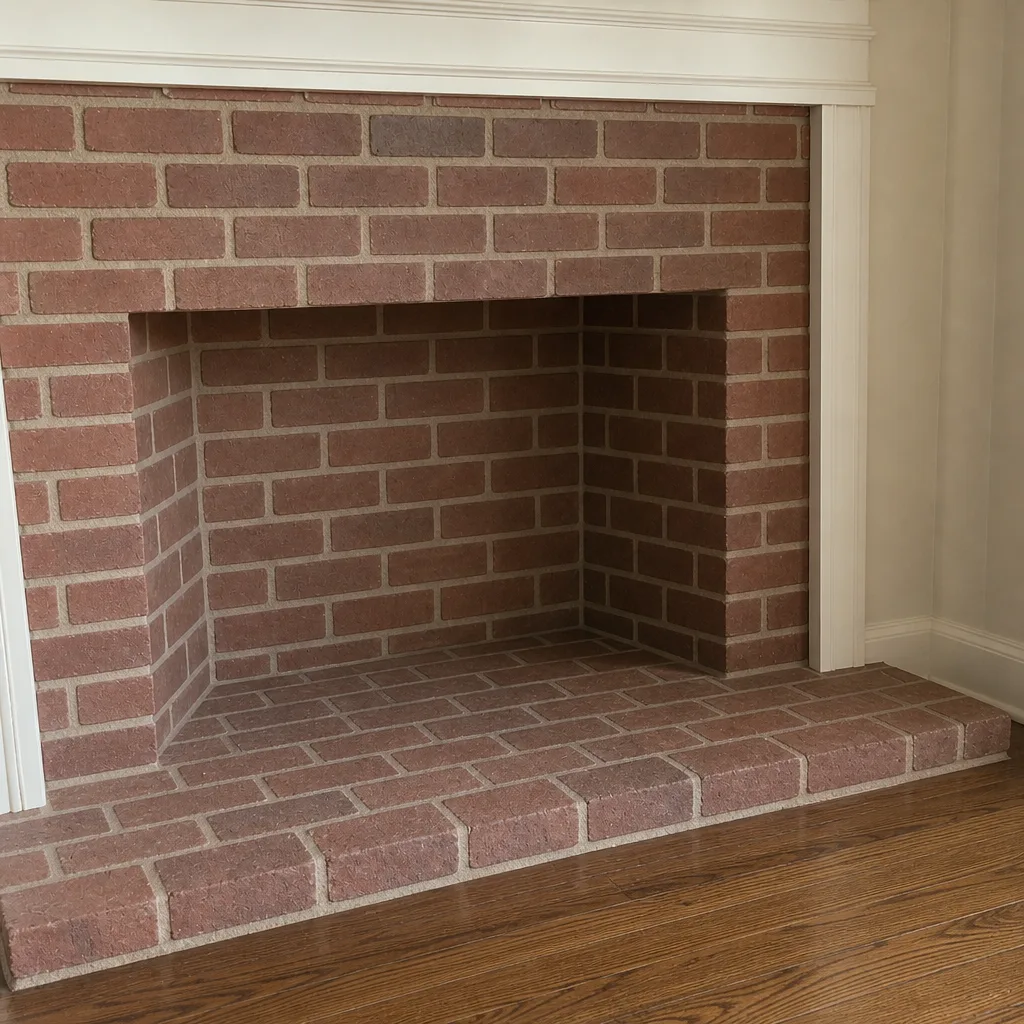
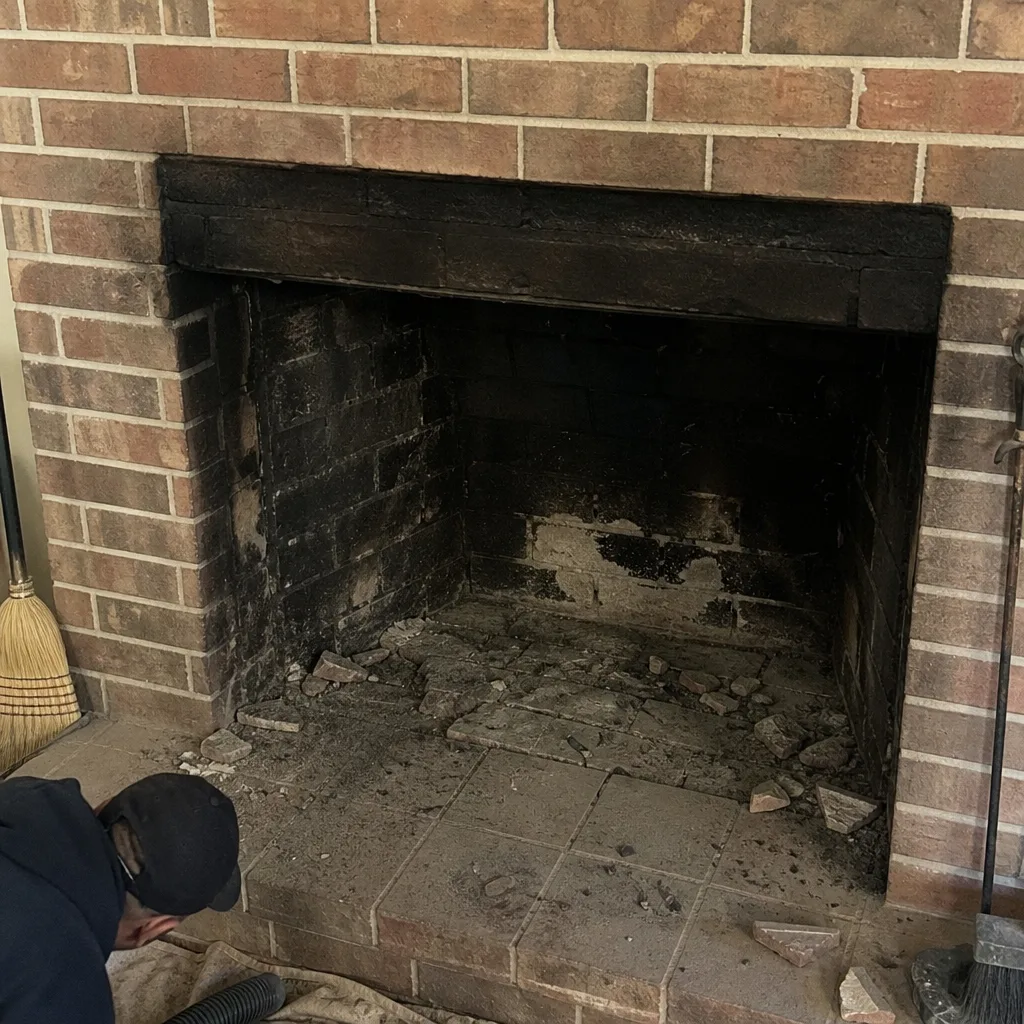
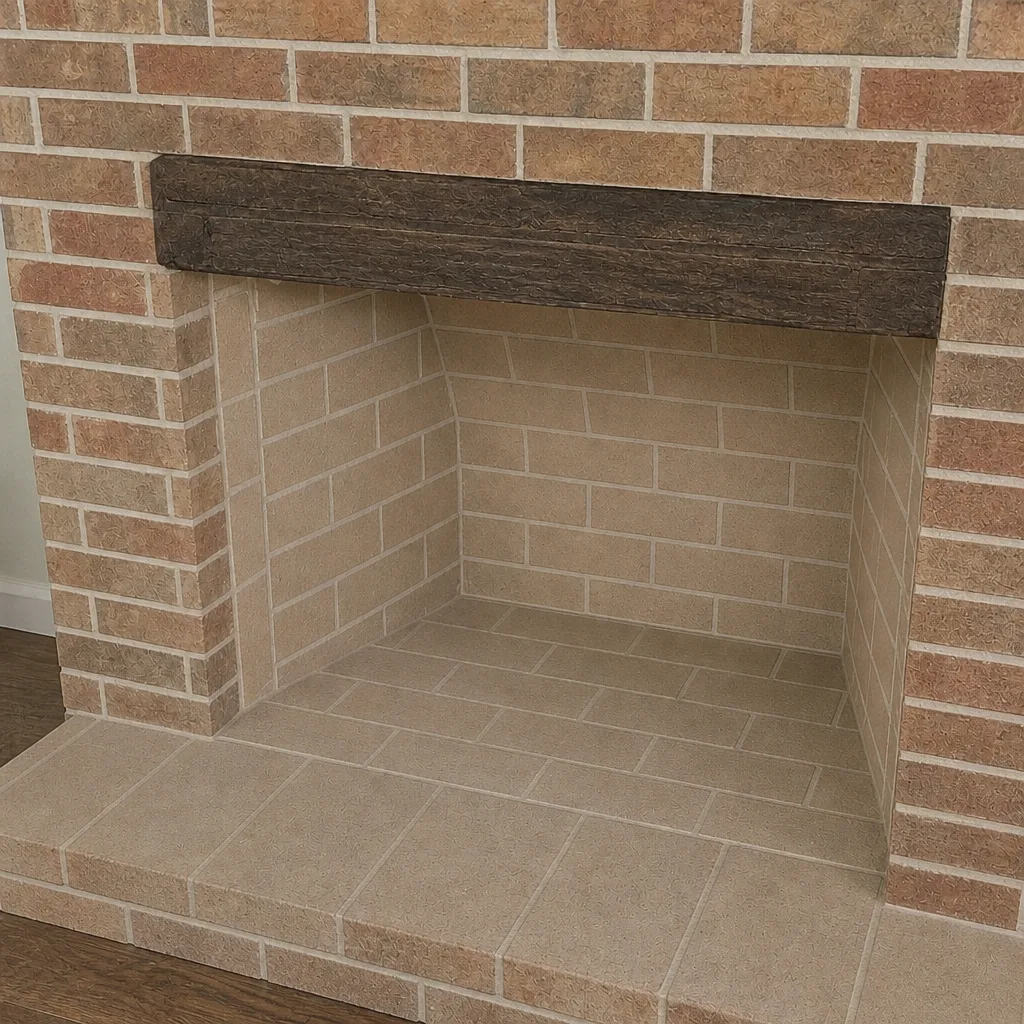
See the difference
 Before
 After
 Before
 After
 Before
 After
When to Call a Professional
Call a professional when a symptom persists beyond a cold start, when a stain appears on a ceiling or wall near the fireplace, when you smell a strong creosote odor in summer, or when you notice spalling masonry or open mortar joints inside the firebox. Call immediately if the flue won’t draw at all, if you can’t see daylight up the chimney, or if you suspect a cracked liner – these are carbon monoxide concerns, and no gadget sold online should stand in for a trained assessment. In Norman, our long burning season and storm-driven moisture make both liner failure and water intrusion common, so a documented inspection is money well spent. Chimney Sweep Norman offers free estimates in Norman. Call (888) 561-3468. We answer 24/7. Fast dispatch from 7am to 7pm, Sunday through Friday.
Frequently Asked Questions
That’s almost always a cold-air column: the flue is too cold to establish draft, so smoke spills into the room until the warming fire creates enough upward pull. It usually clears within ten to fifteen minutes on its own, and priming the flue with a rolled newspaper torch before lighting the fire can head it off. If it never clears, that’s a blockage or negative pressure instead, and call (888) 561-3468 for an assessment – estimates are free.
Yes, if you’ve burned wood at all that season. Creosote accumulates with every fire, and the tarry stages build fastest with cool, smoldering fires and damp wood. Even light use leaves a deposit that should be checked annually. Call (888) 561-3468 to book a sweep and inspection in Norman.
A creosote smell in summer means there’s a deposit in the flue that’s volatile in the heat, and it’s a sign the flue needs cleaning before the next burning season. A musty smell after rain means water is getting into the chimney system, usually through a failed cap or crown. Both are worth a call to (888) 561-3468, and they often need different fixes.
You can safely check the firebox and look up the flue with a flashlight for flaking tiles, open mortar joints, a sticking damper, and visible creosote. You can’t safely inspect the smoke chamber, the roof, the crown, or the top of the flue yourself. Our inspection uses a camera and produces a documented report and photos. Call (888) 561-3468 to schedule one in Norman.
Sometimes, yes. HeatShield ceramic resurfacing restores a deteriorated flue liner without removing and replacing the entire liner, but only when the surrounding masonry is structurally sound. When it isn’t, a DuraFlex liner system is the appropriate path. A camera inspection is what tells us which applies. Call (888) 561-3468 for a free estimate and we’ll tell you honestly which your flue needs.
Water getting into the flue is a cap or crown failure, and it needs fixing before it causes spalling or rusts a liner. Don’t burn the firebox until it’s dried and inspected, since trapped moisture plus a fire can accelerate damage. We install Gelco caps and handle crown repairs in Norman. Call (888) 561-3468. We answer 24/7. Fast dispatch from 7am to 7pm, Sunday through Friday.
The Bottom Line
Most chimney problems aren’t vague conditions, they’re specific mechanical failures with a readable symptom: smoke timing tells you cold-air column vs. blockage vs. negative pressure, smell tells you creosote vs. water, and stain color and location tell you how far the damage has traveled. Read those symptoms before you call and you’ll avoid paying for a sweep you didn’t need, or missing a liner failure you did. When the diagnosis lands on real structural work, trade-grade materials applied by a trained technician are what make the repair last – HeatShield restoration when the masonry can be saved, DuraFlex relining when it can’t. Chimney Sweep Norman works in Norman as one team across Chimney Sweep Norman cleaning, repair, and inspection, and we tell you exactly what’s going into your chimney and why. If your symptoms don’t fit cleanly into any of these boxes, or if you’d just rather have a trained set of eyes confirm what you’re seeing, call (888) 561-3468 for a free estimate. We answer 24/7. Fast dispatch from 7am to 7pm, Sunday through Friday.
Written by the team at Chimney Sweep Norman.